
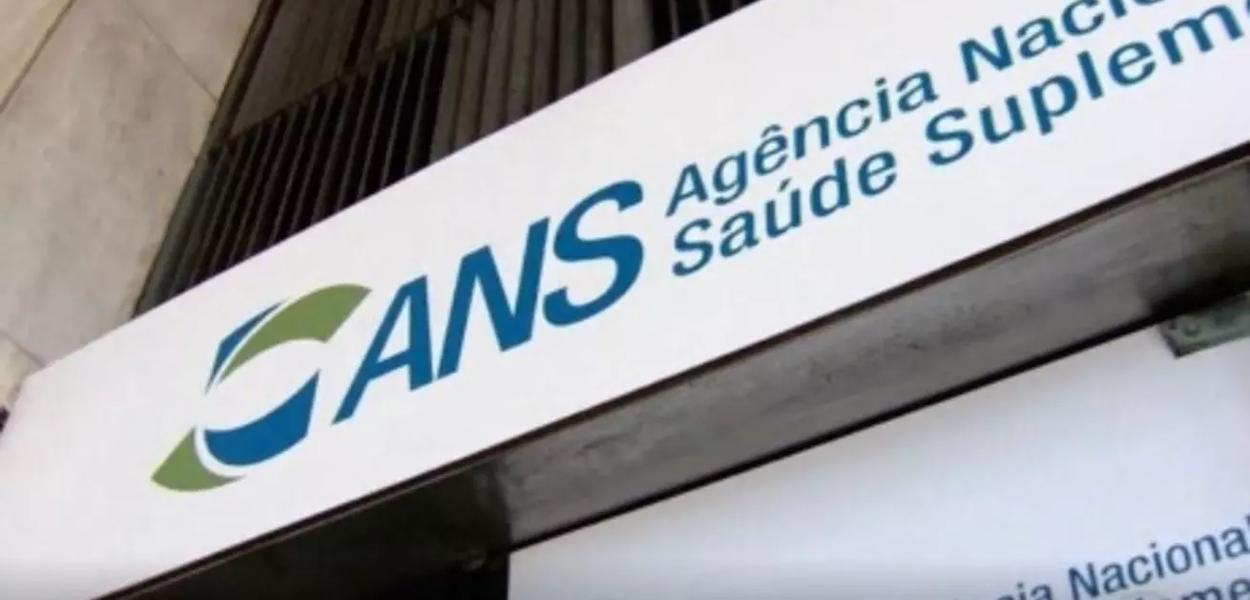
Controversy Brews at Brazilian Health Regulator Over Proposed Changes to Financial Safeguards
The National Supplementary Health Agency (ANS), Brazil’s regulatory body for private healthcare, is facing internal conflict over a proposal to allow federal precatory (a type of Brazilian government debt instrument) to be accepted as assets by health insurance operators. The proposal, put forward by ANS Director Jorge Aquino, has sparked strong opposition from industry leaders and ANS staff alike, raising concerns about consumer protection and the credibility of the agency.
The core of the debate centers on “guaranteed assets” – the financial reserves operators must maintain to ensure they can continue providing service even in cases of insolvency. Critics argue that replacing these assets with federal precatory, which have recently experienced notable market devaluation (losses of 30-60% of face value), would weaken the financial stability of the system and jeopardize consumer coverage. Furthermore, precatory lack the secure custody systems (like Cetip, Selic, and CBLC) that currently protect financial investments.
The Association of ANS Servers (Assetans) has formally protested the proposal, arguing it was brought forward without adequate technical evaluation and internal debate. They warn of serious institutional risk if the change is pursued without thorough assessment by qualified ANS staff.
Director Aquino defends his proposal as a means to improve prudential measures and open a public discussion. He points out that the Central Bank and Attorney General of the National Treasury accept precatory for debt payment and believes a debate is warranted. He insists he intends to facilitate a public consultation on the matter.
However,pressure from established companies and internal staff is mounting on ANS President Wadih Damous to remove the proposal from the agenda of the upcoming Collegiate Board meeting. Sources suggest Damous is likely to do so, aiming to avoid a further erosion of confidence in the regulatory body.
The debate highlights the critical importance of maintaining robust financial safeguards within Brazil’s supplementary health system and ensuring obvious, technically sound regulation for the benefit of both operators and consumers.
