
Americans Devour Ultra-Processed Foods
New Federal Report Confirms Over Half of Daily Calories From Convenience Foods
Most Americans are consuming more than half their daily calories from ultra-processed foods, a new federal report reveals. These highly palatable, energy-dense items, often laden with sugar, salt, and unhealthy fats, dominate the nation’s diet, especially among younger demographics.
Alarming Consumption Rates Confirmed
For the first time, the U.S. Centers for Disease Control and Prevention (CDC) has officially confirmed high consumption levels of ultra-processed foods. Using dietary data collected from August 2021 to August 2023, the report indicates that Americans aged 1 and older derive approximately 55% of their total calories from these items.
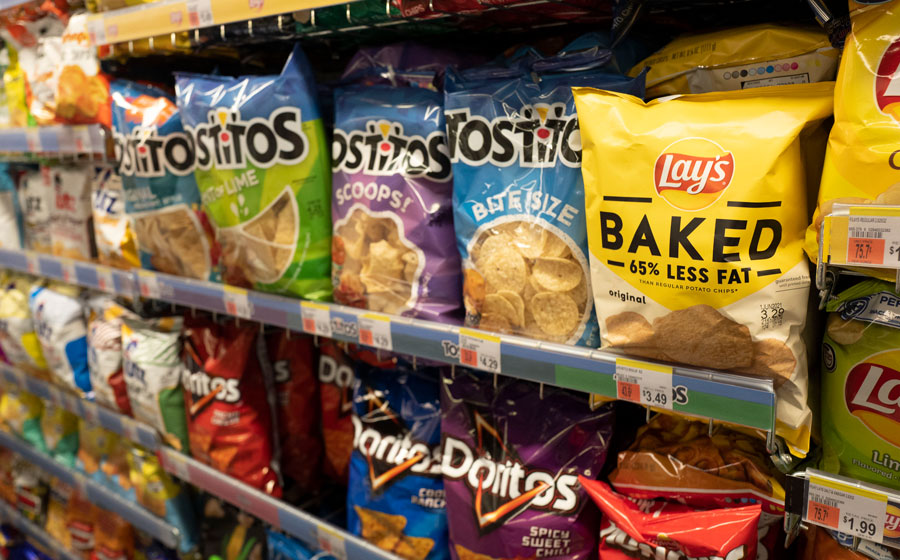
The figures are even starker for children and teenagers. Those up to age 18 consume nearly 62% of their calories from ultra-processed sources, compared to about 53% for adults. Popular culprits include burgers, sandwiches, sweet baked goods, savory snacks, pizza, and sweetened beverages.
Slight Dip or Plateau? Experts Weigh In
Interestingly, the CDC report noted a potential slight decrease in ultra-processed food consumption over the past decade. Among adults, calorie intake from these sources fell from roughly 56% in 2013-2014. For children, the decline was more pronounced, dropping from nearly 66% in 2017-2018.
However, nutrition experts remain cautious. Andrea Deierlein, a nutrition expert at New York University who was not involved in the research, suggested increased public awareness might be a factor. People are trying, at least in some populations, to decrease their intakes of these foods,
she commented. Yet, she added, I do think that there are less-processed options available for many foods.
Defining the Problematic Foods
The report utilized the widely accepted Nova system, which classifies foods based on processing levels. Ultra-processed foods are characterized as hyperpalatable, calorie-dense, low in fiber, and containing minimal whole foods, while being high in sodium, sweeteners, and unhealthy fats.
Recognizing the complexity of defining these foods, U.S. health officials are actively seeking to develop a uniform definition. The U.S. Food and Drug Administration and the Agriculture Department have issued a request for information to address concerns that current definitions may not fully capture the range of foods impacting health.
Health Concerns and Emerging Research
Concerns about the health effects of ultra-processed foods have been mounting for years, with studies linking them to obesity, diabetes, and heart disease. While direct causation remains challenging to prove definitively, new research offers compelling evidence.
A recent study published in the journal *Nature* found that participants lost twice as much weight when consuming minimally processed foods, such as fruits, vegetables, and lean proteins, compared to ultra-processed options. This effect persisted even when the ultra-processed foods were matched for nutritional content and considered healthy, like ready-to-heat meals or protein bars.
In 2022, the World Health Organization reported that highly processed foods were associated with an increased risk of cardiovascular disease, cancer, and all-cause mortality (WHO, 2022).
Path Forward: Reducing Intake
Experts advise Americans to actively reduce their intake of ultra-processed foods. Simple substitutions, like choosing plain oats over instant oatmeal with added sugars and artificial ingredients, and carefully reading nutrition labels, can make a significant difference.
