
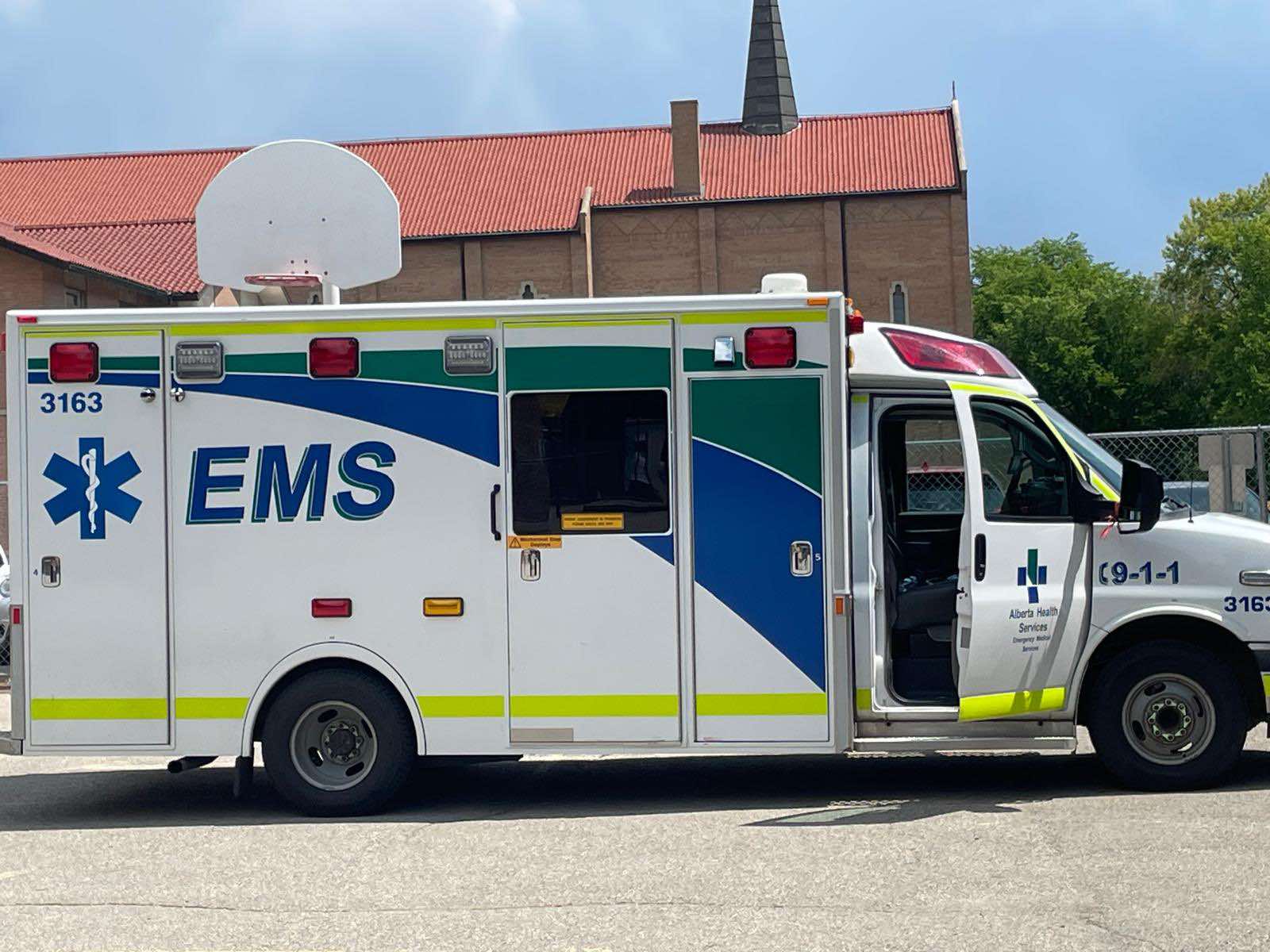
Alberta Health Issues Warning About Child Falls and Concussions This Summer
Health Services warns parents about the dangers of child falls and concussions during summer. Learn prevention tips and concussion symptoms.">
As summer activities ramp up, Alberta Health Services (AHS) is urging parents to be vigilant about preventing falls and recognizing concussion symptoms in children. In 2022, over 3,500 children under five sought treatment in Alberta emergency rooms due to injuries sustained from falls [Alberta Health Services].
Falls: A Leading Cause of Child Injuries
Falls are the primary reason children visit emergency departments in Alberta.Approximately 70% of reported concussions in children result from falls, including those occurring on playgrounds, stairs, and from household furniture. The Public Health Agency of Canada reports that injuries are the leading cause of death for Canadians aged 1 to 44,and a significant proportion of these injuries are fall-related [Public Health Agency of Canada].
Did You Know? Falls are preventable! Simple safety measures can considerably reduce the risk of injury.
Prevention Strategies for Different Age Groups
AHS recommends specific preventative measures tailored to different age groups:
- Toddlers and Preschoolers (Under 5): Active supervision is crucial. Install wall-mounted gates at the top and bottom of stairs and use guards on second-story windows.
- Children (Ages 5-9): Encourage helmet use during biking and other wheeled activities. Ensure proper use of car seats and booster seats.
These measures align with broader efforts to promote child health and development [1].
Recognizing Concussion Symptoms
A concussion is a brain injury resulting from a blow to the head or body, or any force that jars the brain inside the skull. Symptoms can include:
- Persistent headache
- Changes in mood or play behavior
- alterations in sleep or eating habits
Pro Tip: If you suspect your child has a concussion, remove them from activity immediately.
What to Do If You Suspect a concussion
If you suspect your child has a concussion:
- Stop the activity immediately.
- Have the child assessed by a healthcare provider.
- Ensure the child gets plenty of rest.
A gradual return to normal activity is typically recommended under medical supervision. Seek emergency care if the child exhibits neck pain,repeated vomiting,confusion,seizures,or numbness in the limbs.
Concussion Symptoms Checklist
| Symptom | Description | Action |
|---|---|---|
| Headache | Persistent pain in the head | Rest and monitor |
| Mood Changes | Unusual irritability or sadness | Monitor and consult a healthcare provider |
| Sleep Changes | Difficulty falling asleep or excessive sleepiness | Ensure adequate rest and monitor |
| Vomiting | Repeated episodes of vomiting | Seek immediate medical attention |
| Confusion | Disorientation or difficulty thinking clearly | Seek immediate medical attention |
Understanding the Broader Context of Child Safety
Ensuring child safety extends beyond preventing falls and concussions. It encompasses creating safe environments were children can thrive physically and emotionally. This includes addressing issues such as violence against children, which affected as many as 1 billion children in 2019 [1]. Moreover, ensuring access to vaccinations is critical, as the resurgence of preventable diseases threatens children in various regions [3].
Frequently Asked Questions About Child Safety and Concussions
What are the primary causes of emergency room visits for children in Alberta?
Falls are the leading cause of emergency room and urgent care visits for children in Alberta, with a significant portion resulting in concussions.
what age group is most vulnerable to falls?
Toddlers and preschool-aged children (under five years old) are particularly vulnerable to falls from furniture and other household items.
What are the recommended safety measures to prevent falls in young children?
Active supervision,the use of safety gates on stairs,and window guards are recommended to prevent falls in toddlers and preschool-aged children. For older children, helmet use during wheeled activities and proper car seat usage are crucial.
What are the common symptoms of a concussion in children?
Symptoms of a concussion can include persistent headaches, changes in mood or behavior, and alterations in sleep or eating habits. More severe symptoms warranting immediate emergency care include neck pain, repeated vomiting, confusion, seizures, or numbness in the limbs.
What steps should be taken if a child is suspected of having a concussion?
If a concussion is suspected, the child should immediately stop the activity, be assessed by a healthcare provider, and rest. A gradual return to normal activity is typically recommended under medical supervision.
Why is it important to prevent falls and concussions in children?
Preventing falls and concussions is crucial for protecting children’s brain health and overall well-being.Concussions can have long-term effects on cognitive function and development, making prevention a priority for parents and caregivers.
Protecting our children is a community effort. By staying informed and taking proactive measures, we can create a safer summer for everyone.
What safety measures do you take to protect your children from falls? Share your tips in the comments below!
Did you find this article helpful? Share it with other parents!
