
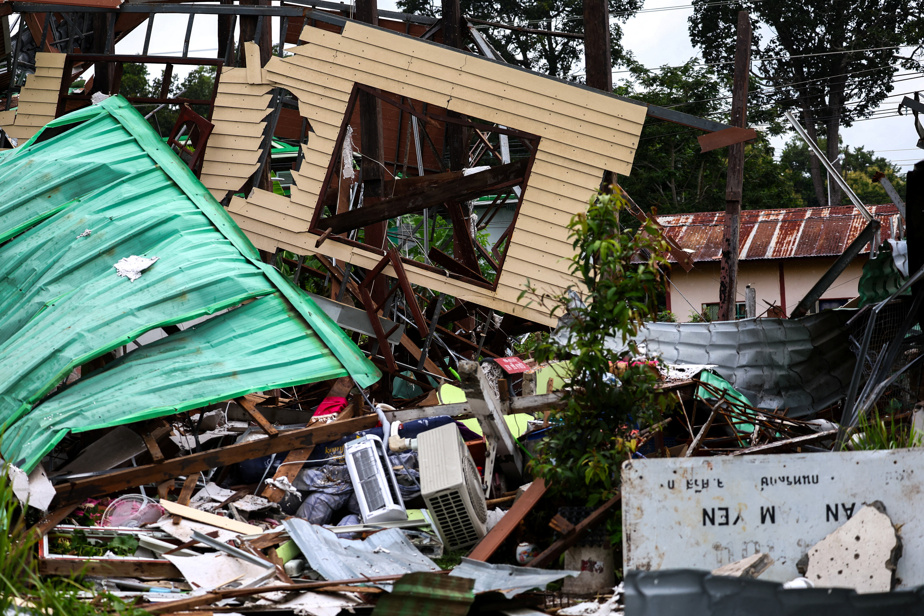
Tensions between Thailand and Cambodia have escalated following the death of a khmer soldier in late May during a border skirmish in a disputed zone. The incident has triggered a series of retaliatory measures impacting economic activity and civilian movement between the two nations, fueled by nationalist rhetoric.
prior to the recent clashes, Thailand expelled the Cambodian ambassador and recalled its own envoy from Phnom Penh. The Cambodian government responded by downgrading diplomatic relations to their lowest level.
Despite international appeals for de-escalation from France, the European Union, and China, which maintains positive relations with both countries, the border tensions have erupted into armed conflict.
International Intervention and Ceasefire Hope
U.S.President Donald Trump reportedly contacted the leaders of both Thailand and Cambodia on Saturday, urging them to reach a swift agreement. He warned that failure to do so could jeopardize ongoing discussions regarding potential prohibitive customs duties on exports from these two nations, scheduled to take effect on August 1st.
A Cambodian vendor near the border, Soeung Chhivling, expressed relief, stating, “I am very happy for the ceasefire. This will allow people to go home and children to go back to school.Please stop the fights.”
Reports from Monday morning indicated continued clashes in multiple locations along the shared border.
Maly Socheata, spokesperson for the Cambodian Ministry of Defense, accused Thailand of invading Cambodian territory with heavy weaponry and a important troop deployment for the fifth consecutive day.
The conflict has resulted in official casualty figures of 23 deaths on the Thai side, including nine soldiers, and 13 deaths on the Cambodian side, including five soldiers. Both countries have reported significant civilian displacement,with over 138,000 Thais and more than 140,000 Cambodians evacuating areas deemed at risk.
