
NATO Commander Warns of Rapid Kaliningrad Takeover
US General’s Stark Warning Signals Escalating Baltic Tensions
A senior U.S. military official has issued a striking declaration that NATO forces could seize Russia’s Kaliningrad exclave with unprecedented speed, a statement underscoring the heightened anxieties along NATO’s eastern flank.
A “Bloody Nose” for the Kremlin
General Chris Donahue, the commander of U.S. Army Europe and Africa, asserted on July 17 that NATO possesses the capability to occupy Kaliningrad in “a timeframe that is unheard of.” These strong words from a Western military leader serve as a direct challenge to Moscow amid escalating tensions and concerns over Russia’s future military intentions beyond Ukraine.
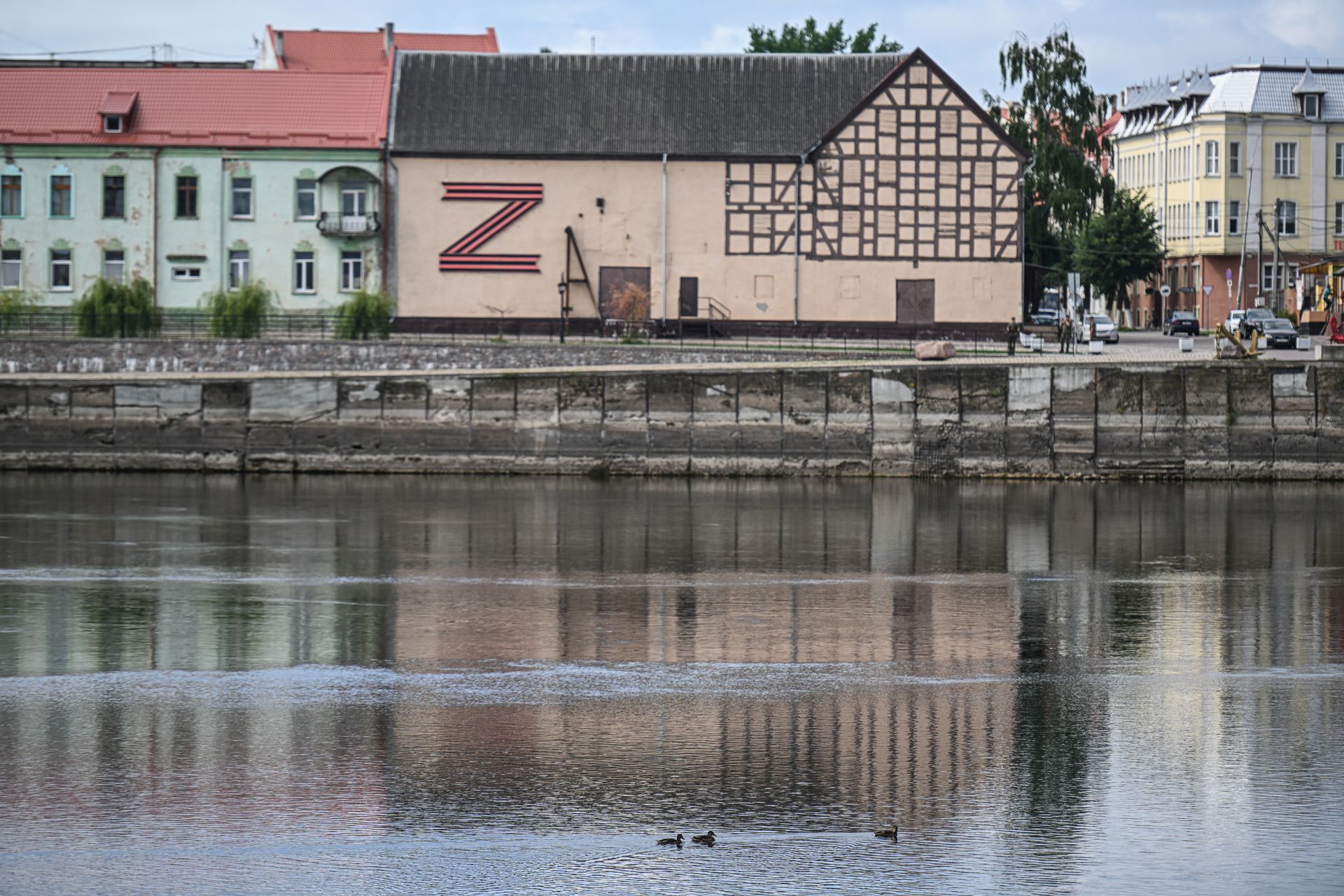
A Russian flag is seen from Pagegiai, Lithuania, separated by the river from the Kaliningrad Oblast, on July 10, 2023. (Omar Marques / Anadolu / Getty Images)
— The Kyiv Independent (@KyivIndependent) July 10, 2023
These remarks come as NATO and Russia face mounting tensions following Russia’s full-scale invasion of Ukraine. Experts believe such a move would be a significant blow to Russia.
“I think that he’s trying to highlight that NATO still has the capacity to give Russia a bloody nose, and Kaliningrad would be a particularly bloody nose.”
—Dr. Stephen Hall, Lecturer in Russian and Post-Soviet Politics at the University of Bath
Kaliningrad: A Highly Militarized Russian Enclave
Kaliningrad Oblast, a Russian territory located hundreds of kilometers from mainland Russia, occupies a strategically vital position. Sandwiched between Poland and Lithuania, this exclave, roughly the size of Connecticut, became part of the Soviet Union after World War II and was renamed in 1946.
The exclave hosts Russia’s Baltic Sea Fleet headquarters and main base. It is considered one of Europe’s most heavily militarized zones, featuring a substantial arsenal that includes cruise missiles, surface-to-air missiles, and potentially up to 100 tactical nuclear warheads, according to a June 2024 claim by Polish Foreign Minister Radoslaw Sikorski. Recent satellite imagery from May showed significant upgrades at a suspected nuclear storage site, including triple-layered fencing and new buildings.
The Suwalki Gap: A Potential NATO Target
In the event of a conflict, the narrow 40-kilometer stretch known as the Suwalki Gap, connecting Kaliningrad to Belarus, emerges as a critical flashpoint. This land corridor is the only land link between the exclave and Russia’s ally, Belarus.
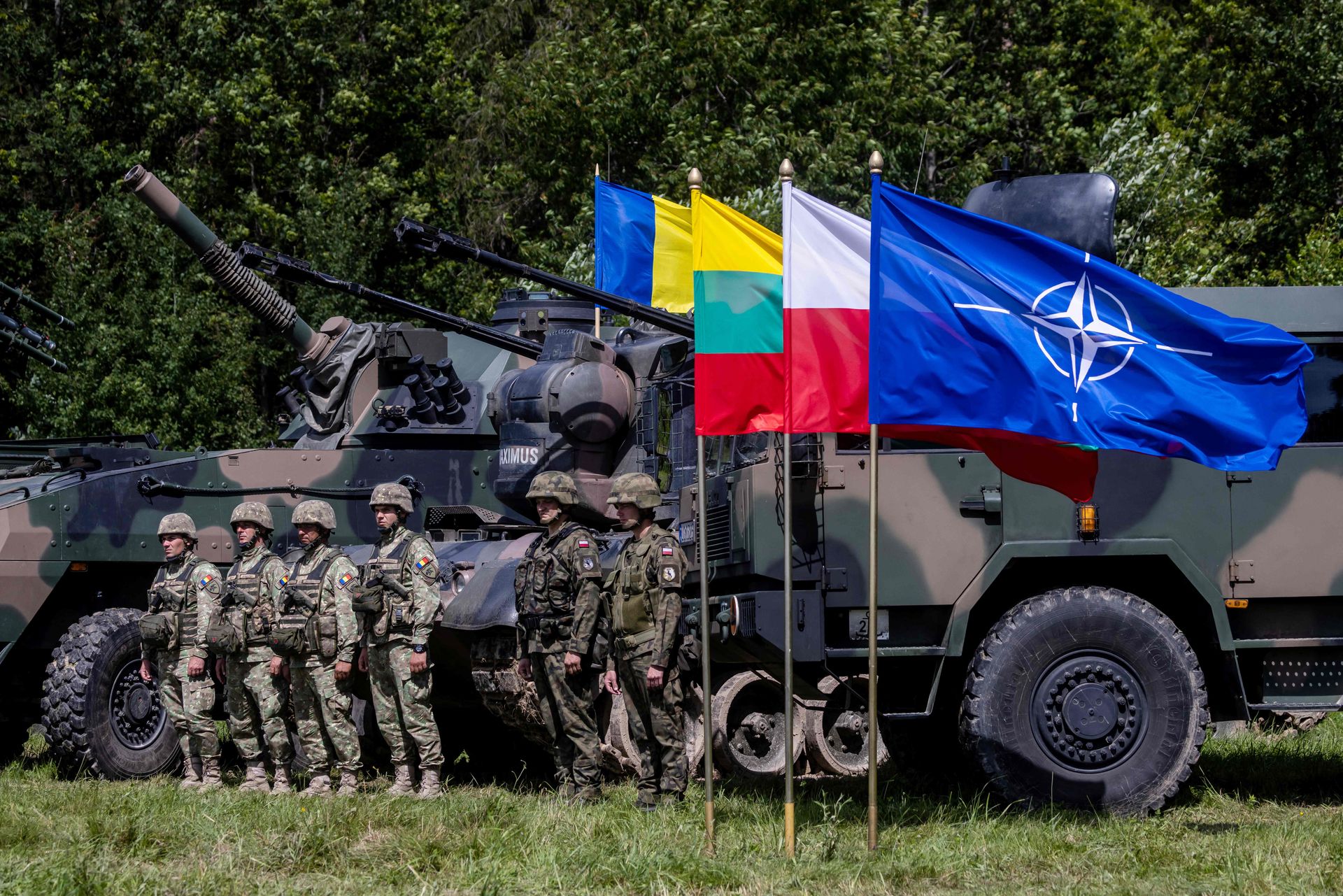
Should Russia and Belarus forces converge across the Suwalki Gap, they could sever the sole land route to the Baltic States. Experts suggest that NATO would likely prioritize neutralizing Kaliningrad to prevent the flow of munitions and isolate the region, thereby thwarting potential Russian advances and safeguarding the Baltic States. According to a December 2023 report by the Carnegie Endowment for International Peace, the Baltic Sea is increasingly being viewed as a potential NATO lake.
Deterrence Through Strong Messaging
General Donahue’s remarks coincide with the rollout of NATO’s “Eastern Flank Deterrence Line,” an initiative aimed at reinforcing land forces, integrating defense production, and standardizing digital systems for battlefield coordination.
“The land domain is not becoming less important, it’s becoming more important. You can now take down anti-access, area-denial bubbles from the ground. You can now take over the sea from the ground. All of those things we are watching happen in Ukraine.”
—General Chris Donahue, Commander of U.S. Army Europe and Africa
These pronouncements are expected to be well-received in the Baltic States, particularly Lithuania, which has expressed concerns about former U.S. President Donald Trump‘s commitment to European security. Lithuania, having declared independence from the Soviet Union in 1990 and joined NATO in 2004, relies on the alliance’s collective defense clause.
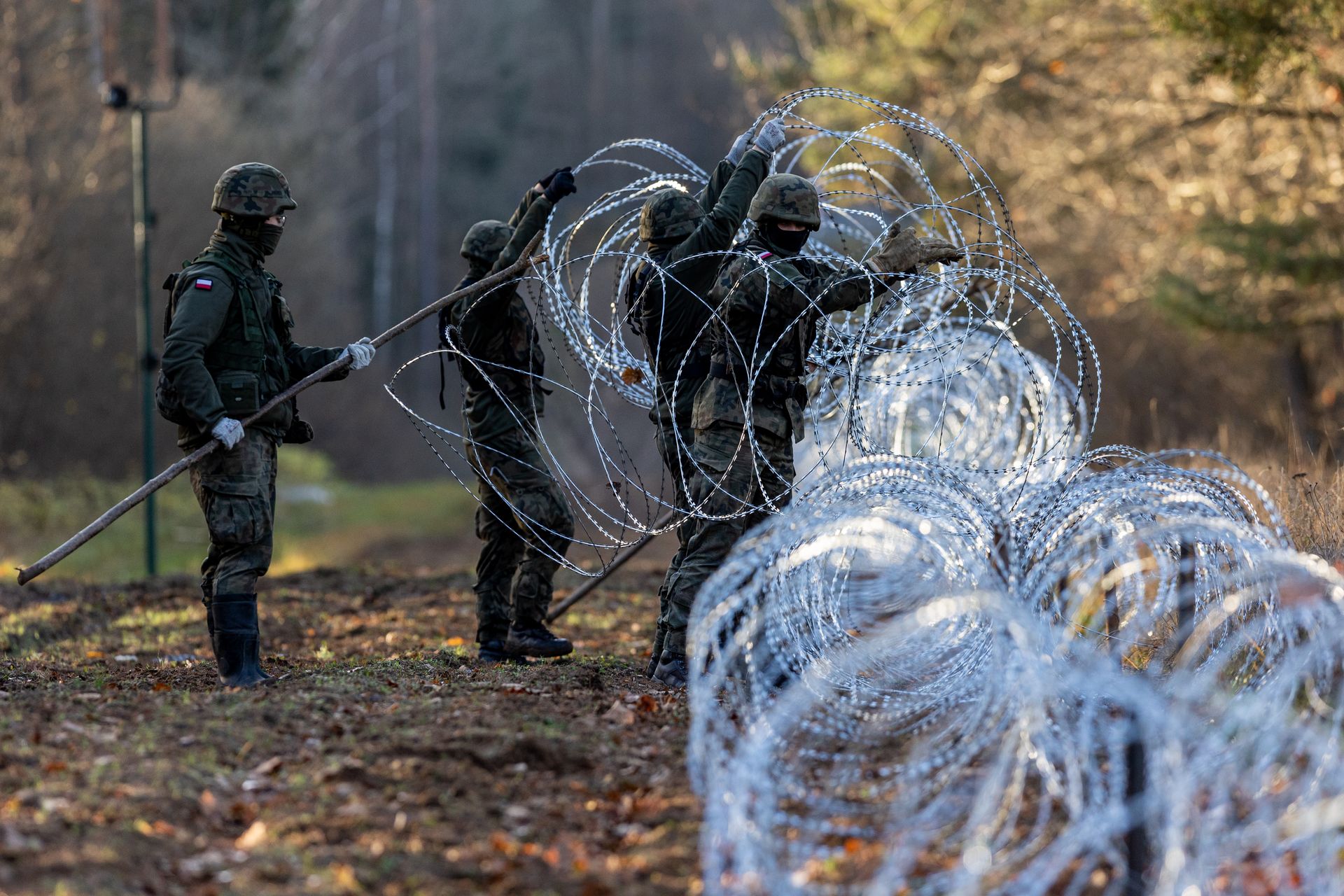
The perceived wavering stance from the U.S. has created unease, with some Lithuanians fearing that NATO membership might not offer the security guarantee it once did. A Lithuanian cultural journalist noted that a public incident involving President Trump and Ukrainian President Volodymyr Zelensky caused widespread alarm, leading to fears that “NATO is kind of gone.”
