
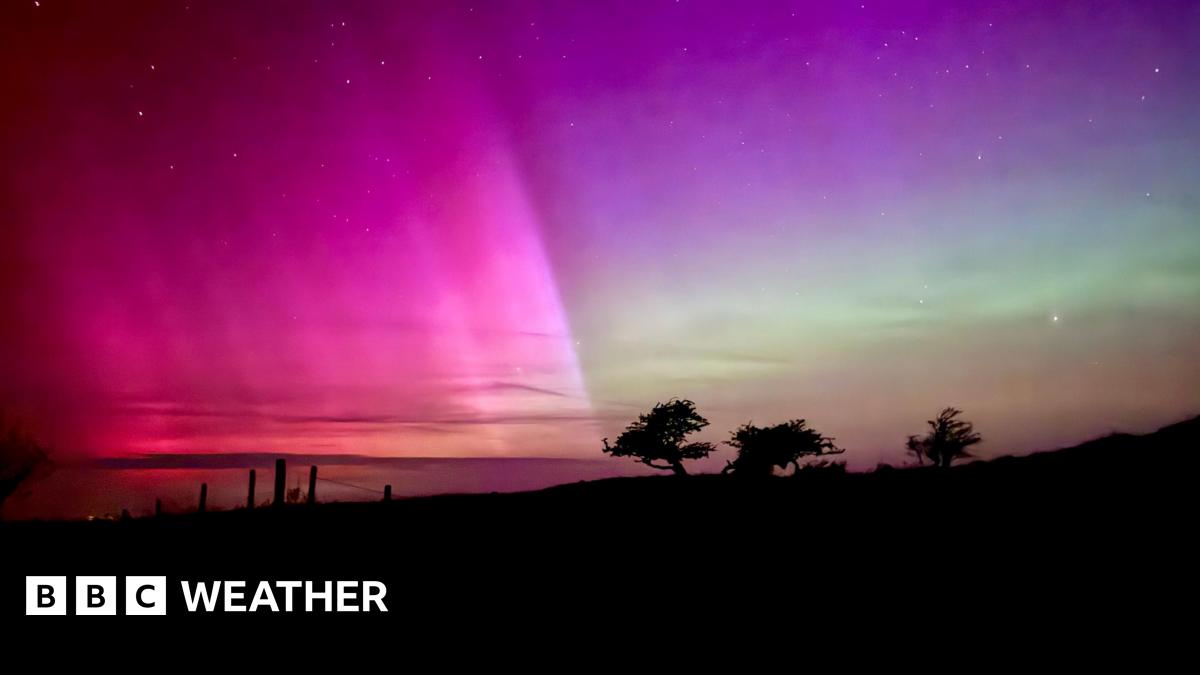
A dazzling display of the Northern Lights witnessed across much of the globe this weekend serves as a stark reminder of the powerful, and potentially disruptive, forces emanating from the sun. While the aurora borealis captivates with its beauty, the solar storms that create it possess the capacity to substantially impact modern technology and infrastructure.
The most intense geomagnetic disturbance in recorded history, the Carrington Event of 1859, provides a ancient benchmark for understanding the scale of these threats. That event generated rapid fluctuations in Earth’s magnetic field, inducing electrical currents in telegraph wires. Telegraph operators experienced shocks, sparks flew from pylons, and systems even functioned with batteries disconnected.
Today, the consequences of a similar event would be far more widespread. Satellites are particularly vulnerable. Solar storms cause the Earth’s atmosphere to expand, increasing drag on orbiting spacecraft.This can lead to satellites slowing down and falling out of orbit. In February 2022, a solar storm resulted in the loss of 38 satellites, demonstrating this is not merely a theoretical concern.
Beyond satellite failures, space weather can alter satellite orbits, increasing the risk of collisions, and damage sensitive onboard electronics. Furthermore, radio communications are susceptible to disruption, potentially disabling or degrading GPS systems for extended periods. A prolonged GPS outage could paralyze navigation systems, leading to widespread disruption – including traffic gridlock in urban areas.
Planning for severe space weather events frequently references the carrington Event as a worst-case scenario. Understanding the potential impacts – from the mesmerizing aurora to the invisible threats to our technology – is crucial for mitigating the risks posed by our sun’s dynamic activity.
