
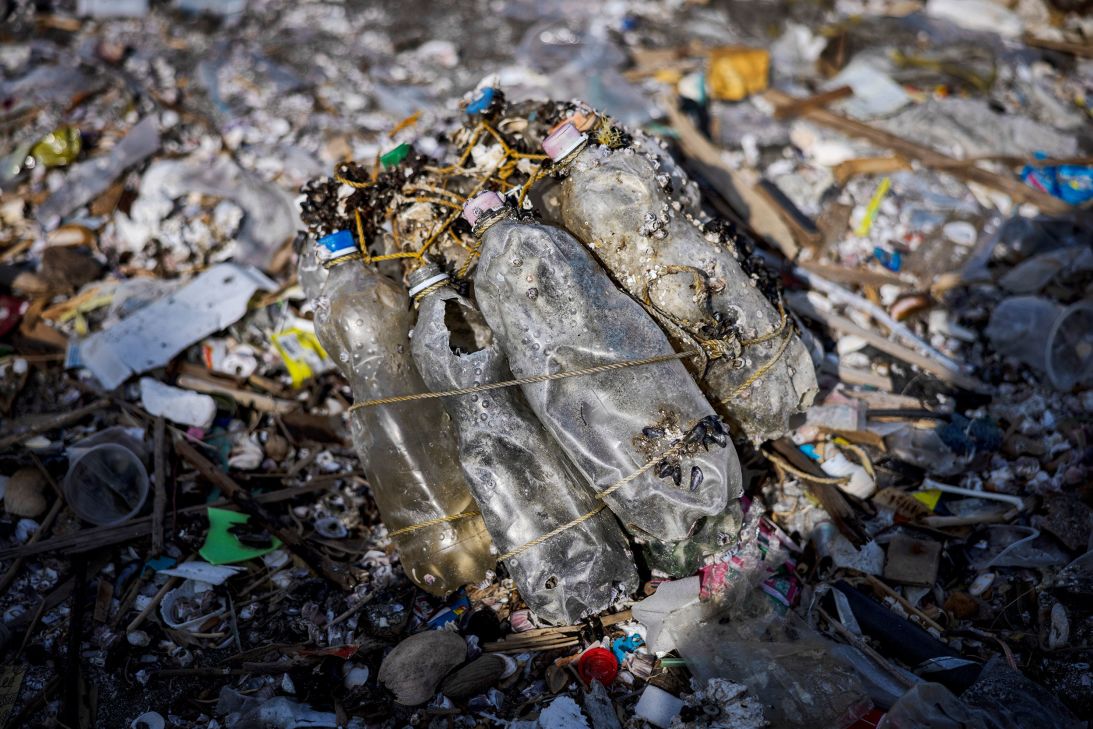
extreme Weather Events Accelerate Plastic Pollution Crisis,New Study Finds
LONDON – A new study reveals that increasingly frequent and intense extreme weather events are dramatically exacerbating the global plastic pollution crisis,making plastics more mobile,more persistent in the environment,and more dangerous to ecosystems and human health. Published this week, the research highlights a dangerous feedback loop where climate change fuels weather disasters that, in turn, spread plastic pollution further and faster.
The study points to a significant increase in plastic dispersal due to events like floods, hurricanes, and wildfires.These events break down larger plastic items into microplastics, transporting them over vast distances and into previously pristine environments. Global annual plastic production has surged from levels in 1950 to a 200-fold increase by 2023, and is projected to continue rising as oil companies shift investments toward plastics alongside the global transition to clean energy.
Researchers found that extreme weather not only spreads existing plastic waste but also accelerates its degradation into smaller, more harmful particles. These microplastics are entering the food chain,contaminating water sources,and posing a growing threat to both wildlife and human health. “We need to act now, as the plastic discarded today threatens future global-scale disruption to ecosystems,” said Stephanie Wright, a study author and associate professor at Imperial College London’s School of Public Health.
The report outlines several potential solutions, including reducing plastic use, improving reuse and recycling infrastructure, and redesigning products to eliminate unnecessary single-use plastics. However, the “greatest hope” lies in a legally-binding global plastics treaty aimed at ending pollution, the report states. Years of negotiations have so far failed to produce an agreement, hampered by disagreements over limiting plastic production - a measure many environmental experts deem crucial.
Experts emphasize the interconnectedness of climate change and plastic pollution. “There is definitely a lack of studies that consider both of these global health challenges together,” said Tamara Galloway, a professor of eco-toxicology at the University of Exeter, who was not involved in the research. “At the base of both is a need to reduce the excessive patterns of consumption that are driving both climate change and plastic pollution.”
The study underscores the urgent need for complete action to address both crises together, warning that inaction will lead to escalating environmental damage and risks to public health.
