
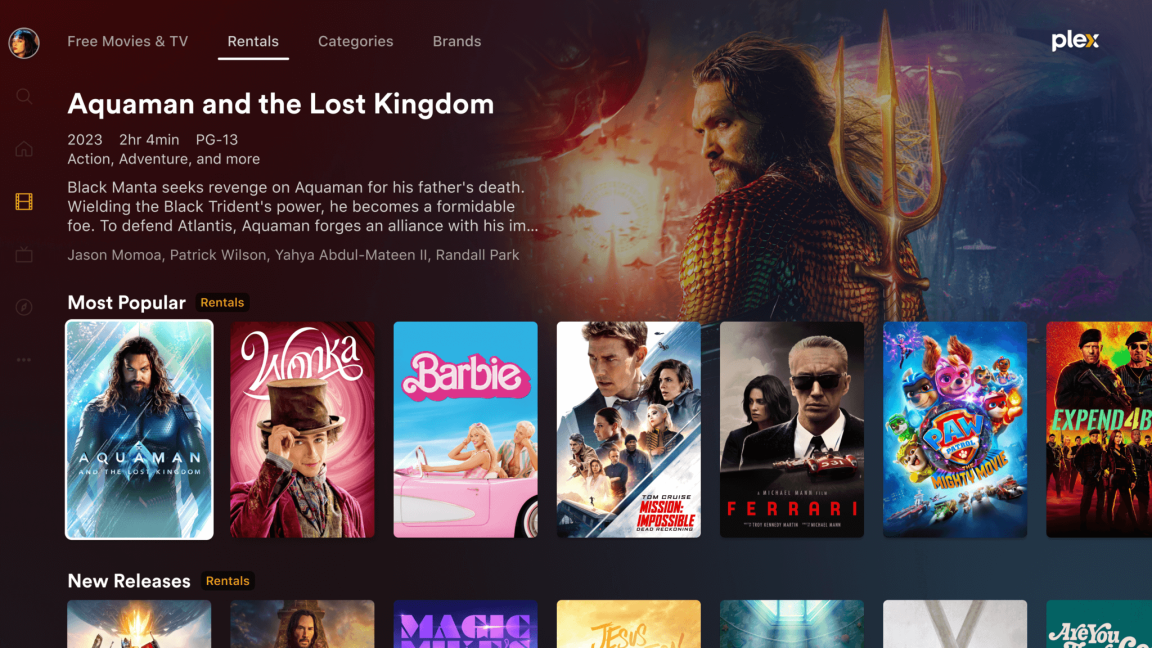
Plex Ends Free Remote Streaming, Pushing Users Toward Subscriptions
SAN FRANCISCO, CA – Starting this week, plex is enacting new restrictions on free remote access to user-hosted media, effectively requiring a Plex Pass subscription for users who want to stream their personal content outside their home network. The move signals a significant shift for the company, once primarily known as a free media server solution, towards a streaming-focused business model.
Plex initially gained popularity by allowing users to organize and stream their own video, music, and photo libraries to any device. Though, maintaining this service, along with supporting a growing number of devices and media codecs, has become increasingly costly. Plex has publicly stated the need to address “rising costs” and fund new feature development, including integration with Common Sense Media and a new server management app, as outlined in a March blog post.
The company recently secured $40 million in funding in january 2024,as reported by TechCrunch,bringing it’s total funding to $90 million after a $50 million round in 2021. These investments are intended to help Plex reach profitability, and the new remote access rules are expected to drive subscription revenue and provide returns for investors.
While Plex continues to offer a free tier, the changes are likely to alienate long-time users who relied on the platform’s free remote access capabilities. According to Scott Hancock, Plex’s then-VP of marketing, the company already surpassed a turning point in 2022, with more users engaging with Plex’s online streaming service then utilizing its media server features.
This shift has led some users to explore alternatives like Jellyfin, an open-source media server that remains focused on local media hosting, as highlighted by XDA Developers.Plex has also indicated plans for an open and documented API for server integrations, including custom metadata agents, suggesting a continued investment in expanding its platform capabilities.
