
Gaza Faces Dire Shelter and Food Crisis as Winter Approaches
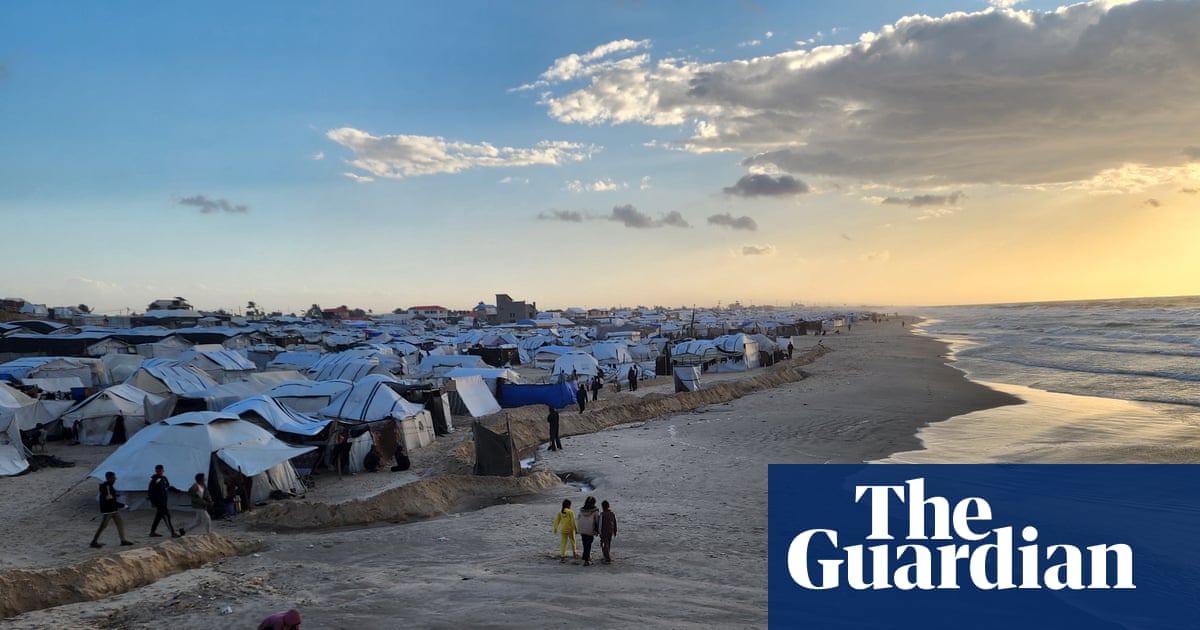
As a fragile ceasefire agreement progresses, conditions in Gaza remain desperate, with residents facing critical shortages of shelter, food, and essential supplies ahead of a harsh winter. The situation is notably acute for the hundreds of thousands displaced by the conflict, many now living in makeshift camps like al-Mawasi.
While an agency is working with a newly established US-run centre to improve aid delivery, details of its operation remain limited. Despite the efforts,basic necessities are largely unaffordable for most Gazans. A tent can cost around $800 in local markets, a sum beyond the reach of families who have tired their resources after two years of war. The majority of Palestinians in Gaza struggle to afford food, medicine, and even cooking gas, relying increasingly on overstretched community kitchens that cannot meet the overwhelming need.
Residents describe a daily struggle for survival. Maher Abu Jerad,from Beit Lahiya,reports his family of four subsists primarily on canned beans and peas,supplemented by infrequent meals from public kitchens – typically lentils or rice every three days. Access to clean water is also severely limited, requiring arduous journeys to collect small amounts that are quickly depleted.
The recent storm served as a stark warning of the challenges to come. With inadequate infrastructure and drainage in the camps, rainwater is pooling around tents, exacerbating already poor sanitation conditions due to overcrowding and limited access to clean water.The storm scattered tents along streets and beaches, exposing residents to seawater surges.
“The sound of the waves prevents us from sleeping,” said a resident named Breem, describing the constant fear of flooding. “We barely sleep an hour or less, and the seawater reaches the tents when the waves crash.” A critical lack of winter essentials – blankets,rugs,and bedding – is contributing to the spread of illnesses like colds,coughs,and aches.
The first phase of the ceasefire, involving a partial Israeli withdrawal and the return of hostages held by Hamas, is nearing completion. The next stage, bolstered by the UN security council’s endorsement of a plan, proposes a committee of Palestinian technocrats to administer Gaza under presidential authority, supported by an international stabilization force. A key unresolved issue remains the disarmament of Hamas.
The current crisis stems from the October 2023 attacks by Hamas-led militants on southern Israel, which resulted in approximately 1,200 deaths, mostly civilians, and the abduction of 251 individuals. Israel’s subsequent military campaign in Gaza has led to the deaths of 69,100 Palestinians, predominantly civilians, and widespread destruction of infrastructure.
Naama Arafat, now living on the shore in al-Mawasi, poignantly recalls a life of comfort before the war, emphasizing the current deprivation. “We wore our warm clothes, and mattresses and blankets were plentiful… Now, we cannot even light a fire to cook food.” She appeals to the international community for mercy and assistance as Gaza enters a particularly harsh winter season.
