
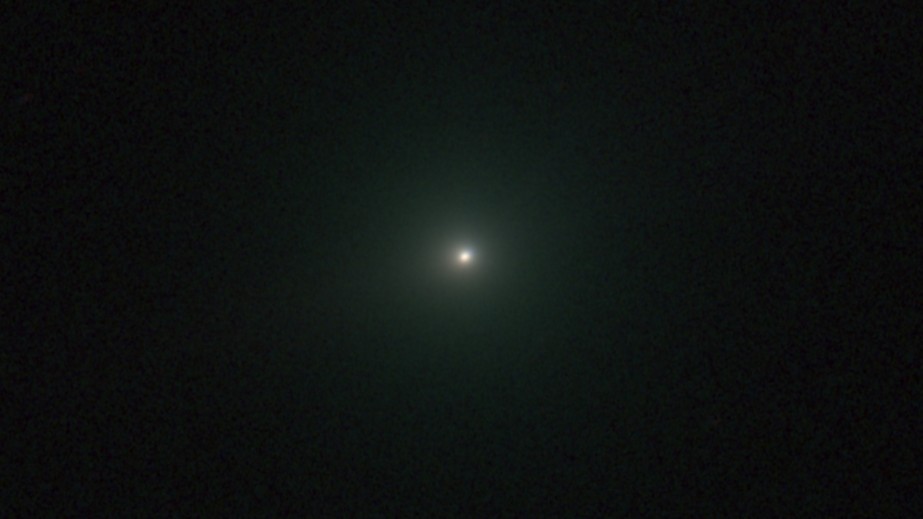
Interstellar Comet 3I/ATLAS Displays Striking Multiple Tails in new Image
A recently captured photograph reveals the interstellar comet 3I/ATLAS exhibiting a spectacular display of multiple tails as it journeys through our solar system. The image, taken by Qicheng zhang of the Lowell Observatory, showcases the cometS unusual structure after it reappeared from behind the sun, temporarily losing its prominent, lengthy tail due to its orientation away from Earth.
This comet, originating from outside our solar system, is offering scientists a rare possibility to study a pristine object from another star. Its unique characteristics – including its unexpectedly high activity and the multiple tails observed – are prompting detailed investigation into the composition and behavior of interstellar comets.3I/ATLAS will reach its closest approach to Earth on December 19, at a distance of 168 million miles (270 million km), providing further opportunities for observation.
The comet’s unusual activity has sparked debate, with some suggesting the possibility of an artificial origin. However,the overwhelming consensus within the astronomical community is that 3I/ATLAS is a comet,similar to previous interstellar visitor ‘Oumuamua.
“No, it’s not an alien mothership, and the probability that it’s any type of object created by extraterrestrial civilization is close to zero,” stated researcher Hideaki Murata in an Instagram post accompanying the new image.”As people have said, if it looks like a duck and behaves like a duck, it’s a duck.”
The comet’s tails are formed by dust and gas released as it’s heated by the sun. The multiple tails observed suggest a complex composition and varying release rates of different materials. Scientists are continuing to analyze data from 3I/ATLAS to better understand the conditions in the star system from which it originated and the processes that shape interstellar objects.
