
Pelvic Girdle Pain: The Silent Struggle Many New Mothers Face - and How to Get Help
by Dr. Michael Lee, World-today-News.com
The joy of welcoming a new child is ofen shadowed by unexpected physical challenges. For many women, this includes a debilitating condition known as Pelvic Girdle Pain (PGP), a condition Rebecca knows all too well.
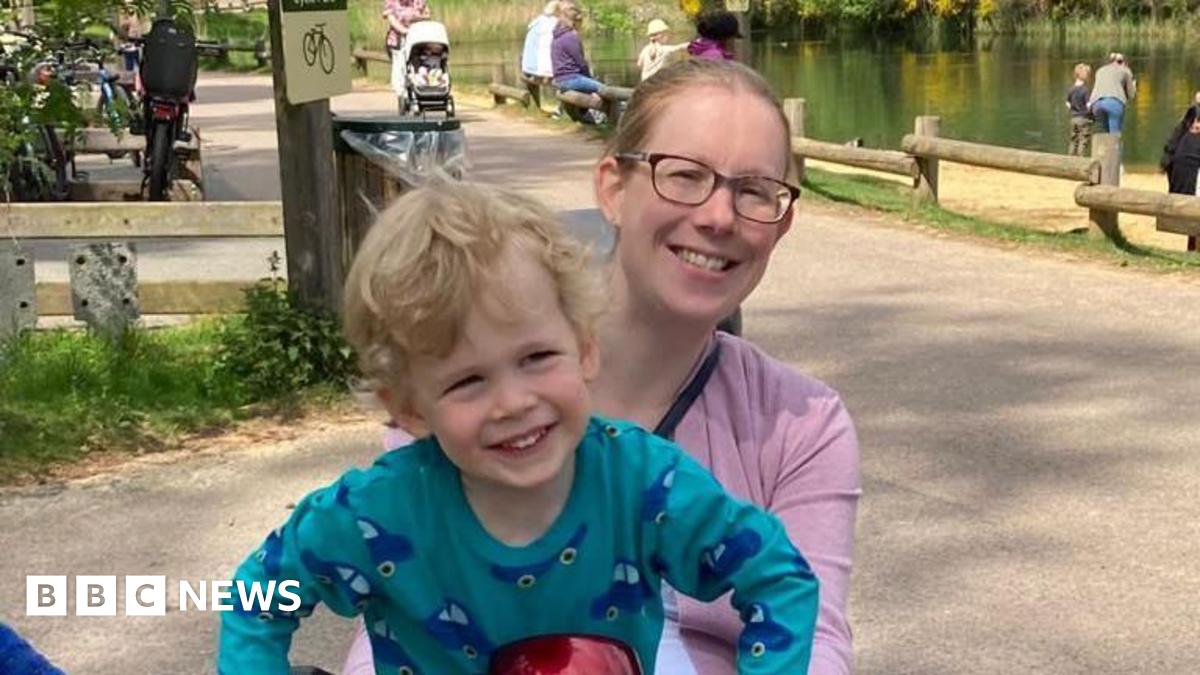
“I was disabled for seven months,” Rebecca recounts, describing the difficulties she faced after giving birth. ”I had to have someone helping me all the time.I just couldn’t do the things that you should be able to do in looking after a baby, it was a really challenging time.” Simple tasks like walking, lifting her son, or even pushing a pram became insurmountable obstacles.
PGP, often occurring during or after pregnancy, affects the ligaments that support the pelvic joints. While many assume post-partum pain is simply part of recovery, PGP can be far more severe, significantly impacting a new mother’s quality of life. Rebecca was unaware of the condition prior to pregnancy, and now dedicates her time volunteering with The pelvic Partnership, a charity dedicated to raising awareness and providing support to women living with PGP.
Early Intervention is Key
The good news is PGP is treatable. The Pelvic Partnership emphasizes the importance of seeking hands-on, individualized treatment - including manual therapy – as soon as symptoms arise. They strongly advise requesting a referral for NHS physiotherapy from your GP or midwife. Don’t hesitate to advocate for yourself; if initial support isn’t offered, a second opinion is crucial.
recognizing the emotional toll PGP can take, the charity also provides access to maternal mental health support.
A Call for Greater Awareness and research
Experts are sounding the alarm about the need for increased awareness and earlier diagnosis. “Higher awareness and early assessment could prevent patients like Rebecca needing wheelchairs or crutches,” explains dr. Nighat Arif, a leading women’s health specialist. “Without that early identification based on a really good understanding of the female body, we leave some of these women with negative effects for life.”
The lack of dedicated research into PGP contributes to its underdiagnosis, especially after childbirth. Gynaecologist Dr. Christine Ekechi notes, “We don’t necessarily see them unless they then come back into a gynaecology clinic presenting with pain… So we don’t have a great understanding as to the proportion of women that have persisting pain that has started off
