
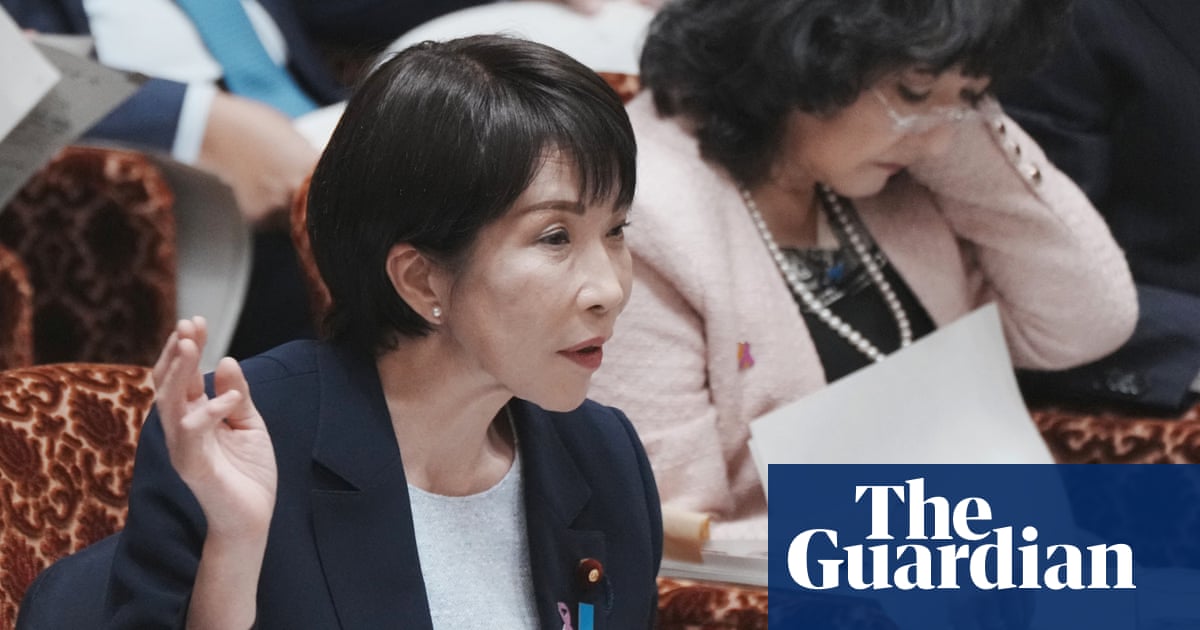
Tokyo, Japan – Concerns are mounting over the well-being of Japan’s Prime Minister Sanae Takaichi, whose reported sleep schedule of as little as four hours a night has sparked debate about work-life balance in a nation grappling with overwork and a declining birthrate. The issue resurfaced as her administration considers potentially raising the cap on overtime hours, fueling fears of a return to the grueling work culture linked to karoshi, or death from overwork.
Takaichi, who became Japan’s first female prime minister at the end of October, has publicly downplayed the need for work-life balance ”for myself,” while simultaneously urging her Liberal Democratic party (LDP) colleagues to “work like a horse.” This approach has drawn criticism from across the political spectrum. Former LDP economy minister Ken Saito expressed being “honestly worried” about her health, and opposition MP katsuhito Nakajima publicly urged her to get more sleep – a suggestion she acknowledged with a nod and a smile.
The Prime Minister’s demanding schedule follows a pattern of long working hours prevalent in Japan, which has contributed to a national sleep deficit. A study released on World Sleep Day in March revealed that Japanese people average seven hours and one minute of sleep on weekdays, 38 minutes less then the international average and less than their counterparts in the US, Britain, France, Germany, Italy, and Canada.
Takaichi’s workload has been particularly intense since taking office, including attendance at the asean summit in malaysia, a state visit from Donald Trump, and meetings with Xi Jinping at the Apec summit in South Korea. Further complicating matters,a growing diplomatic dispute with China over her suggestion that Japan could become militarily involved in a potential conflict in the Taiwan Strait adds to the pressures facing the Prime Minister.
Despite the concerns, Takaichi has stated that any changes to working conditions would prioritize workers’ health, expressing a desire to create a system were individuals can balance work with childcare, caregiving, leisure, and rest. However, her actions and rhetoric have raised questions about whether her administration will address the systemic issues contributing to Japan’s long-hours culture and its associated consequences, including a historically low birthrate.
