
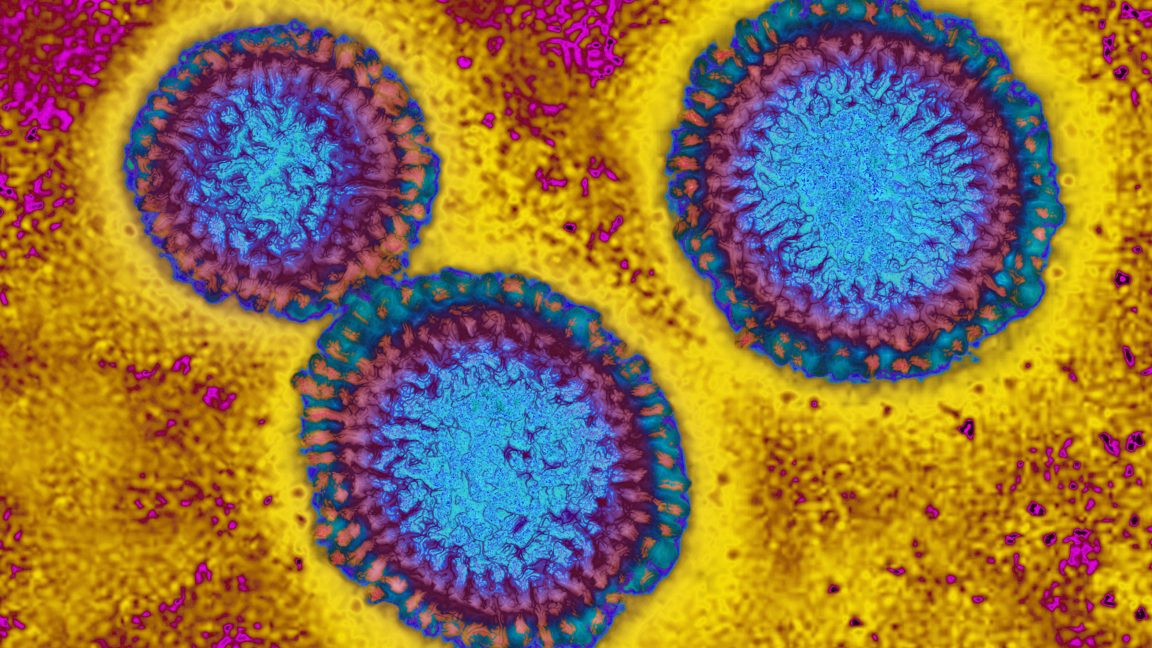
Severe Flu Season Looms as H3N2 Strain Dominates UK Cases
London – The United Kingdom is bracing for a potentially severe influenza season, with a dominant H3N2 strain driving a surge in cases and raising concerns about increased illness, especially among older adults. Health officials warn this winter could be one of the most challenging yet for the National Health Service (NHS).
The early onset and prevalence of the H3N2 strain, coupled with lower-than-ideal early vaccination rates, are fueling anxieties. Jim Mackey, chief executive of NHS England since April, expressed deep concern, stating, “There’s no doubt this winter will be one of the toughest our staff have ever faced.” He added to The BMJ, “Since stepping into this role, the thought of a long, drawn-out flu season has kept me awake at night. and, regrettably, it looks like that fear is becoming reality.”
According to the latest surveillance data from the UK Health Security Agency (UKHSA), almost all confirmed UK flu cases this year are influenza A strains.Over 90 percent of cases where the influenza virus type was analyzed were attributed to the H3N2 strain,with a newer H3N2 strain and an H1N1 strain also circulating. influenza B strains are currently present at very low levels.
Experts note that H3N2 typically causes more severe illness than other influenza A strains, especially in the elderly. Antonia Ho, an infectious diseases expert at the University of Glasgow, explained, “Of the two seasonal influenza A viruses, the current dominant circulating virus (A/H3N2) tends to cause more severe illness than A/H1N1, particularly in older adults.” Ho further cautioned that early-starting flu waves tend to impact a larger proportion of the population, emphasizing the importance of vaccination.
Data is available from the UKHSA’s National Flu and COVID-19 Surveillance Reports for the 2025-2026 season, specifically Report 6, covering week 45 (November 2025).
