
Adapting Yu-Gi-Oh! Duels for a Modern Audience: A Production Blueprint
TOKYO – A new wave of interest in Yu-Gi-Oh! necessitates a re-evaluation of how its signature duels are brought to life on screen. Adapting Kazuki Takahashi’s manga for a contemporary live-action or animated series demands careful consideration of both fidelity to the source material and the expectations of a modern audience familiar with advanced visual effects. This blueprint outlines key decisions regarding duel presentation, monster portrayal, and the integration of unique manga elements like Duelist Kingdom‘s battle boxes.
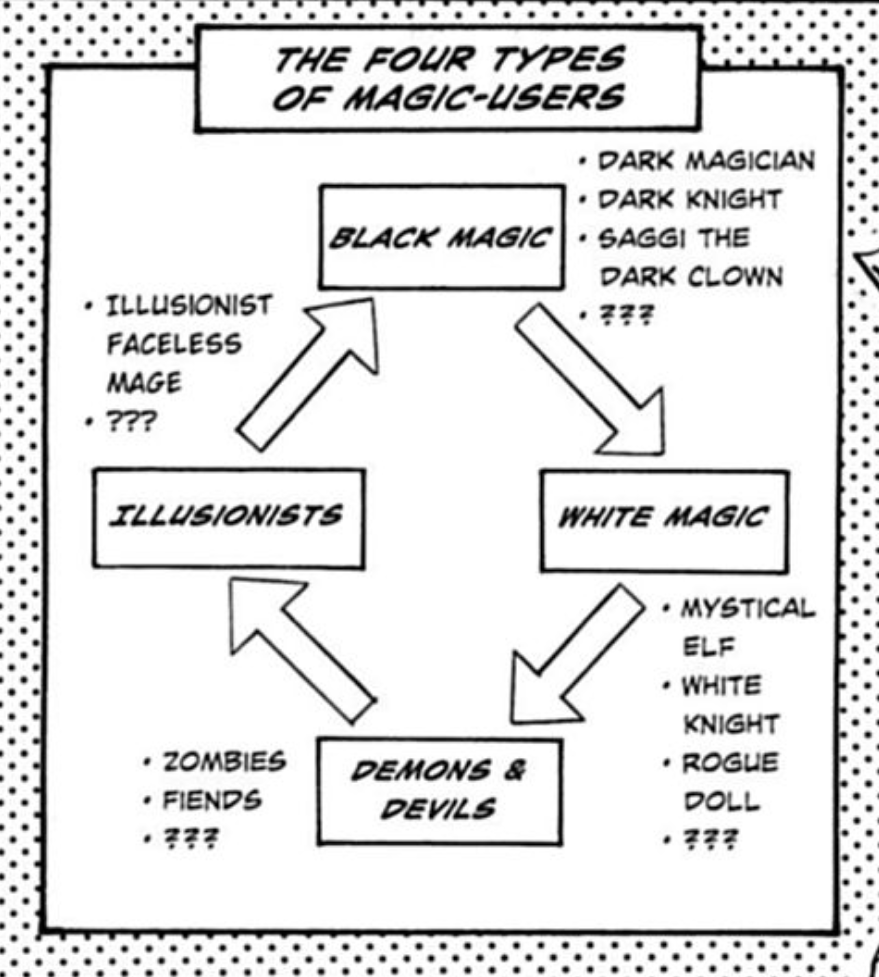
The initial duels in the manga, such as the one against Saggi the Dark Clown, present a challenge. While formidable at the time, Saggi’s strategies would appear less threatening given the power creep of later monster designs. A modern adaptation wouldn’t necessarily alter these duels, but contextualize them. Emphasize Saggi’s psychological tactics and the relative inexperience of Yugi and Kaiba at that stage. Conversely, the early underutilization of Dark Magician is a narrative opportunity. Maintaining its initial low profile, mirroring its manga debut, builds anticipation for its eventual ascendance during the Labyrinth brothers arc, rather than promptly establishing it as Yugi’s ace. This honors the original pacing and character development.
Visually,the depiction of duels is paramount. A live-action adaptation faces a unique hurdle: translating fantastical monsters into a believable reality. Purely animatronic or costumed monsters risk appearing campy. Full CGI, while capable of spectacle, can feel detached. A hybrid approach is optimal.Core monster forms could be realized through practical effects – detailed animatronics for close-ups,augmented by motion capture and CGI for dynamic movements and special abilities. Environments should blend practical set design with digital extensions, creating a tangible sense of scale.
Differentiating between duels occurring within the Shadow Games (Yami no Game) and those utilizing holographic technology is crucial.Shadow Games should be visually distinct – darker, more ethereal, with monsters manifesting as spectral projections or distortions of the environment.Holographic duels, conversely, should retain the vibrant, high-tech aesthetic established in later yu-Gi-Oh! series, utilizing advanced projection mapping and augmented reality effects. Subtle cues,like the intensity of the surrounding energy or the texture of the monster manifestations,can reinforce the nature of each duel.
Regarding Duelist Kingdom, the manga’s battle boxes are a vital element that the anime controversially abandoned. Reinstating them is essential for preserving the integrity of the narrative and avoiding plot inconsistencies. The battle boxes provide inherent stakes and limitations, forcing strategic gameplay within confined arenas. The anime’s large-scale outdoor duels introduce logistical issues – as noted with Jou’s improbable scent detection and Pegasus’s redundant technology acquisition – and diminish the uniqueness of pegasus’s castle duel arena. The battle boxes, with their varied terrains and traps, offer a more compelling and logically consistent framework for the tournament. They also allow for creative visual design, showcasing each duelist’s personality through the customized arena they construct.
