
XPENG‘s New Humanoid Robot Sparks ‘Terminator‘ Comparisons, Promises Advanced AI
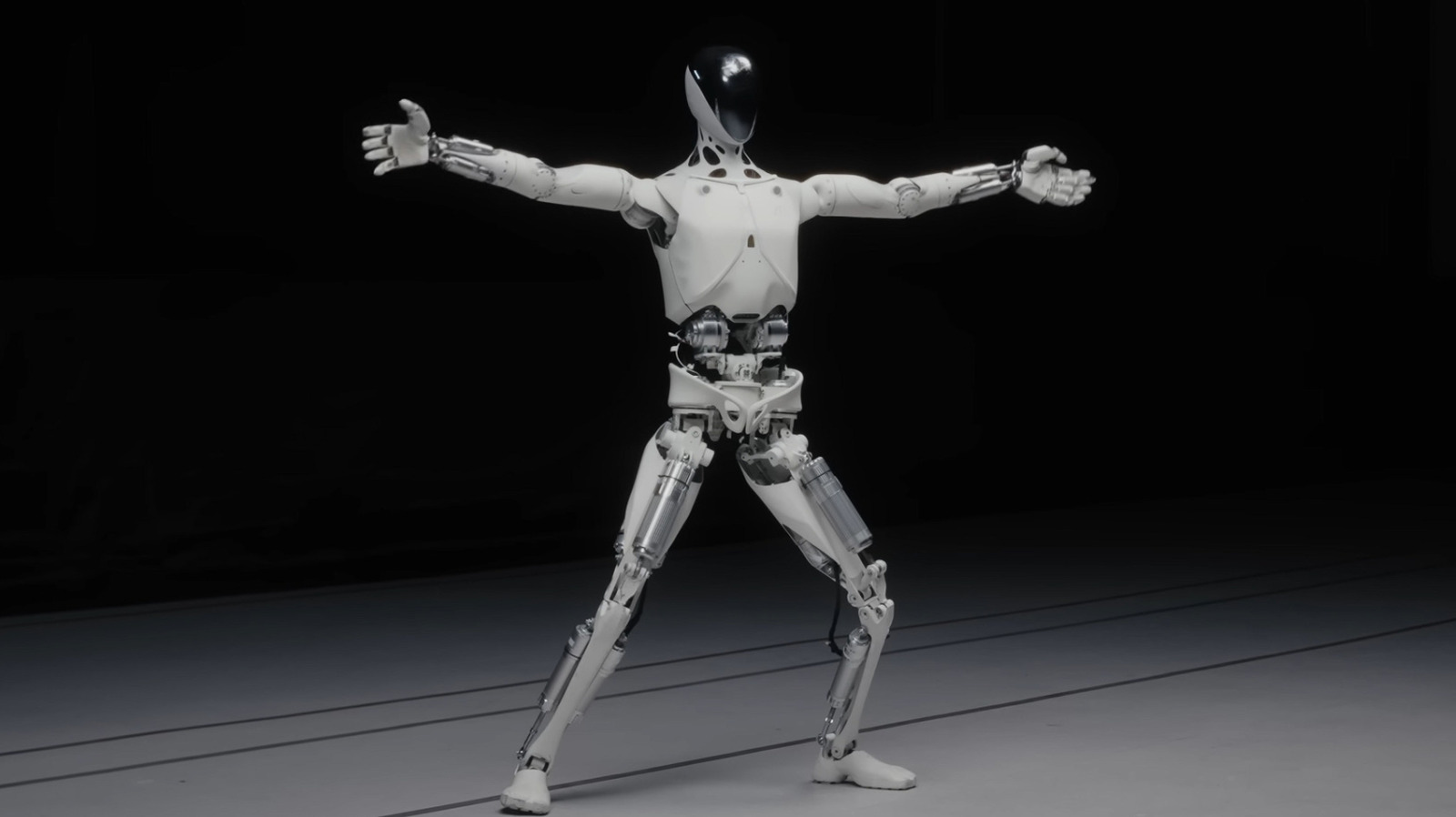
GUANGZHOU, CHINA - Chinese electric vehicle and robotics company XPENG is generating buzz – and a degree of unease – with its newly unveiled humanoid robot, dubbed ”Iron.” A recently released video showcasing the prototype’s remarkably fluid movements has drawn comparisons to the Terminator, fueled by the robot’s exposed internal components and eerily lifelike gait.
Unlike other humanoid robots currently in progress, the XPENG Iron prototype conspicuously displays its internal hardware. While competitors typically encase gears and motors within protective exoskeletons, the Iron robot features visible components, including what appears to be a GPU protruding from its chest. This design choice contributes to a distinctly mechanical aesthetic, blending advanced robotics with a raw, unfinished look reminiscent of science fiction’s dystopian visions. Despite the exposed mechanics, the robot demonstrates a level of agility and natural motion that sets it apart from rivals like the recently revealed Neo, which exhibits noticeable stuttering and jerky movements.
XPENG acknowledges the aesthetic concerns and has showcased potential attire for the robot, including designs resembling a “Blade runner 2049” fencing outfit, a business suit, and a schoolgirl uniform, as revealed in a company presentation on YouTube. However, the company is primarily emphasizing the robot’s underlying artificial intelligence, branding the Iron as a “physical AI” powered by its VLA 2.0 large model. XPENG describes VLA 2.0 as “both an action generative model and a physical world model for understanding and prediction,” according to a company press release.
The robot’s capabilities remain largely unproven outside of controlled lab environments. A viral video of the Iron prototype reveals it was strapped to a wheeled platform during testing, perhaps providing stabilization or an external computing connection. XPENG’s focus on the software powering the robot suggests the company believes the true innovation lies in its AI, rather than the physical droid itself. The development of advanced humanoid robots represents a significant step in the ongoing evolution of artificial intelligence and robotics, with potential implications for industries ranging from manufacturing and logistics to customer service and healthcare. Though, as with all AI claims, real-world performance will be crucial in determining the true extent of the Iron’s capabilities.
