
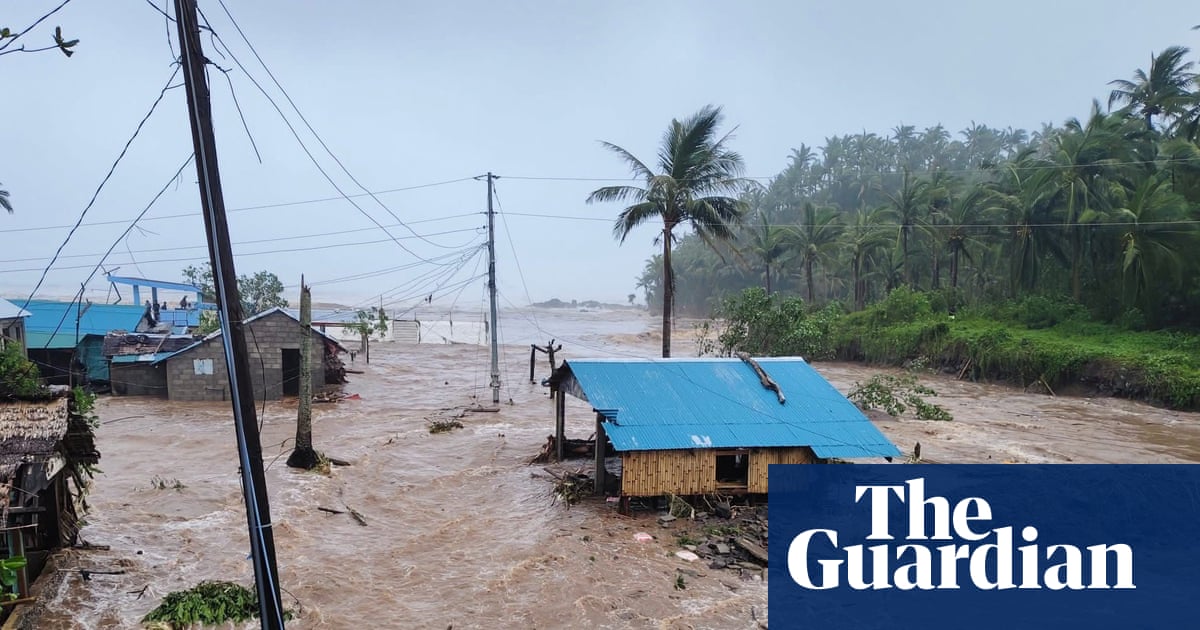
Super Typhoon Fung-wong Leaves Trail of Destruction Across the Philippines, Eight Confirmed Dead
Manila, Philippines – A powerful super typhoon, Fung-wong, has swept across the Philippines, leaving at least eight people dead and displacing nearly three million, authorities reported Monday. The storm, wich weakened too a typhoon after crossing the main island of Luzon, brought torrential rain and destructive winds, triggering landslides and widespread power outages.
Initial reports indicate three children were among the fatalities, killed in landslides in the northern province of Nueva Vizcaya, where four others were injured. In the northern mountain province of Barlig, an elderly person died in a mudslide. Further north,in Kalinga province’s Lubuagan town,two people were killed and two remain missing following a landslide. Earlier, officials confirmed one drowning in Catanduanes and another death in Eastern Samar after a house collapsed.
“We were helping a neighbor whose roof was about to be ripped off by the wind. We saved him and four relatives,” recounted one resident,highlighting the desperate conditions faced by communities in the storm’s path.
While Fung-wong’s sustained wind speeds decreased from 115mph (185km/h) to 102mph as it moved across the country, gusts still reached over 171mph, according to the state weather service PAGASA. The storm is now expected to continue weakening as it heads towards Taiwan.
the National Disaster Risk Reduction and Management Council (NDRRMC) is currently assessing the full extent of the damage to infrastructure and homes. As of Monday, almost three million people were without power after downed lines and damaged grid infrastructure caused widespread outages. Approximately 6,000 evacuation centers have been opened, providing temporary shelter for 92,000 families.
The disaster comes just days after Typhoon Kalmaegi ravaged the philippines, killing at least 224 people and leaving 135 missing before impacting Vietnam, where it claimed five lives. Search efforts for those still missing from Kalmaegi were suspended Sunday due to safety concerns for rescue teams.
Authorities warn that the close succession of these two typhoons has exacerbated the devastation, with already saturated soils contributing to the severity of landslides, notably in northern Luzon. Civil defense officials reported the ground was already heavily waterlogged from previous rainfall.
The increasing frequency and intensity of these storms are linked to the global climate crisis. Scientists have observed a more than 100% increase in the rate of super typhoons hitting the Philippines over the last two decades. The World Bank estimates these intense storms cause an average of US$3.5 billion (£2.7 billion) in damage to the country annually.
In response to the widespread devastation, philippine President Ferdinand Marcos Jr. announced Monday that the “state of national calamity” initially declared for Kalmaegi and Fung-wong would be extended for a full year.
Associated Press contributed to this report.
