
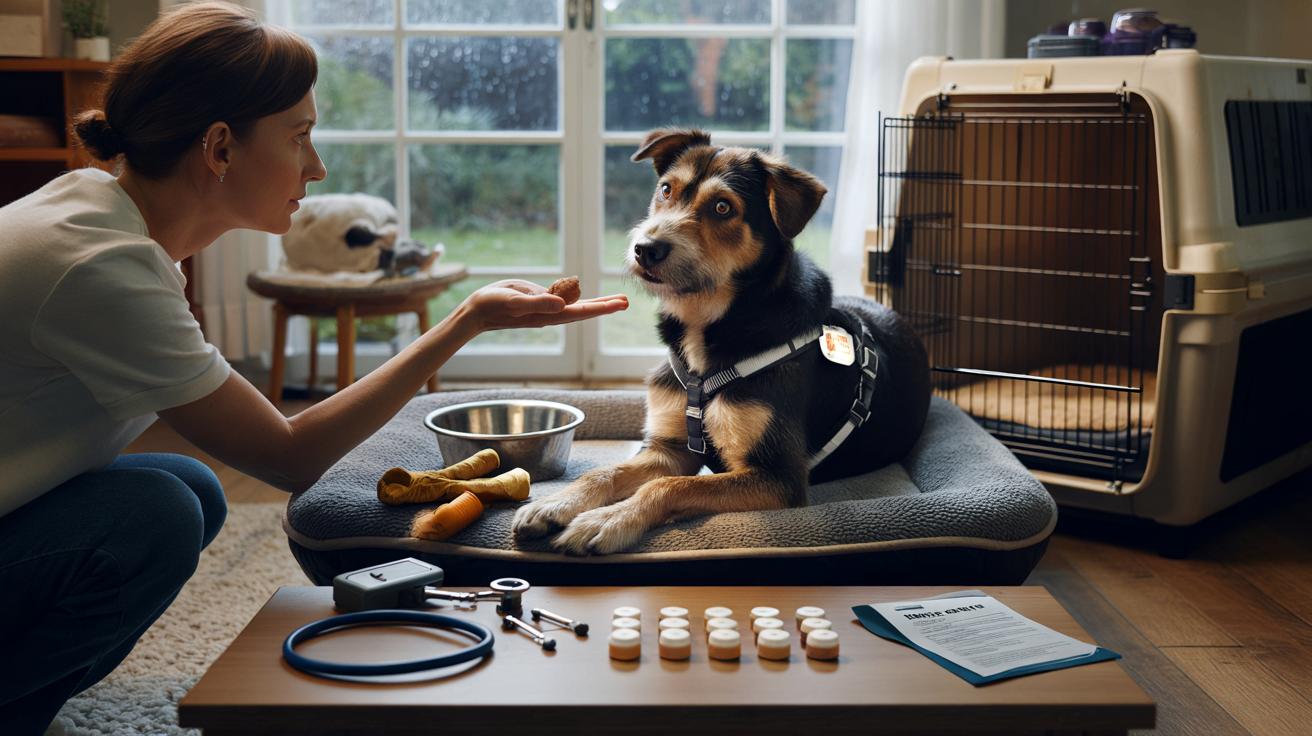
Autumn adoption Alert: 7-Day Plan to Welcome an Adult Dog & Avoid Costly Mistakes
London, UK – As autumn leaves fall, rehoming centres across the UK are seeing an influx of adult dogs seeking loving homes. But bringing an older canine companion into your life requires careful planning to ensure a smooth transition – and avoid potentially expensive pitfalls. Experts are urging prospective adopters to follow a structured 7-day plan and be aware of five common mistakes that can derail a successful adoption.
The 7-Day Decompression Plan:
The initial week is crucial for allowing an adult dog to adjust. Experts recommend focusing on creating a calm and predictable habitat. This includes:
* Days 1-3: Decompression. Allow the dog to decompress without demands. Focus on providing a safe space and observing their body language for signs of discomfort - ears pinned, head turns, slow blinking, yawning, lip licking, or a stiff tail.Reduce demands, add space, and engage in calm, low-arousal activities like scent work.
* Days 4-7: Routine Building. begin establishing a routine. Introduce short training sessions (three minutes, three times a day) focusing on simple cues like “settle on a mat,” “hand targeting,” and “swap” to prevent resource guarding.
Five Costly Mistakes to Avoid:
- Overwhelming Social Introductions: Avoid immediate introductions to multiple people or pets. Introduce visitors one at a time, seated, and allow the dog to approach on their own terms. Scatter treats away from feet to reduce social pressure.
- Rushing Walks: Start walks at quiet times, gradually adding busier environments in short intervals.Always double-clip the lead to both a harness and collar for security and ensure the dog wears updated ID and a microchip.
- Insistent Affection: Adopt a “I am available, not insistent” approach. Sit with a turned shoulder and relaxed hands, dropping snacks nearby without eye contact. Allow the dog to initiate interaction, rewarding brief chest or shoulder strokes.
- Expecting Instant Perfection: Understand the “3-3-3” pattern: three days to decompress, three weeks to learn the routine, and three months to feel at home. Expect setbacks, particularly around week three, and dial back the schedule if needed.
- Ignoring Behavioural Signals: Learning to “read the small signals” of stress is vital. Addressing discomfort early prevents escalation. “When in doubt, lower the ask, raise the distance, and pay the calm you want to see again,” advise behavior specialists.
£120 Vet Baseline & Budgeting:
Financial preparedness is key. Initial veterinary costs can range from £120-£180 for a baseline check-up. Additional first-month essentials include:
* Harness and lead: £40
* Tag and bowls: £25
* Bedding: £30
* Chews and food puzzles: £20
Pet insurance is highly recommended, paying attention to excess amounts and dental cover.
Enrichment Over Excitement:
Prioritise mental stimulation over physical exertion. Scatter feeding, puzzle toys, and scent trails provide enrichment without overexciting the dog. Rotate toys every two days to maintain novelty.
