
Brilliant Sky Fireballs Explained: Meteoroids Burning up in Earth’s Atmosphere
Recent sightings of luminous fireballs streaking across the sky are not signs of extraterrestrial events, but rather the result of meteoroids disintegrating as they enter Earth’s atmosphere. These spectacular displays, often called “shooting stars,” occur when space debris collides with our planet at high speeds.
These events are becoming more widely observed due to increased public awareness of astronomical phenomena and the proliferation of cameras capable of capturing them. Understanding the origins and behavior of meteoroids helps scientists learn more about the early solar system and the materials that formed our planets. Several astronomical events are scheduled for late 2025,including the Draconid and Taurid meteor showers,offering opportunities for further observation.
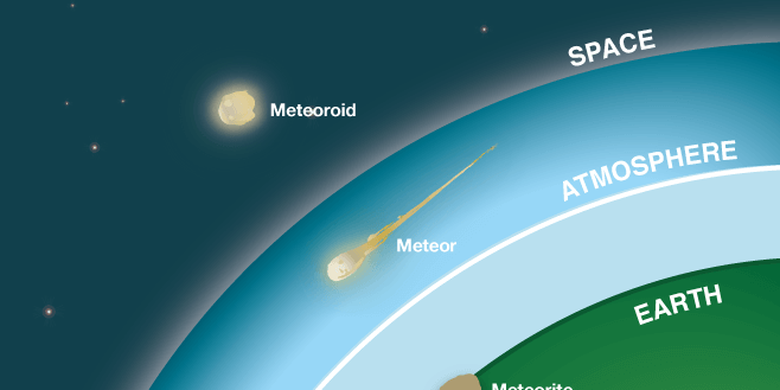
A meteoroid is a small rocky or metallic body traveling through space. These fragments originate from sources like comets, asteroids, moons, and leftover material from planet formation. The gravitational pull of large planets,such as Jupiter,can alter their trajectories,sometimes sending them hurtling towards Earth.
When a meteoroid enters Earth’s atmosphere, friction with the air causes it to heat up dramatically, reaching temperatures of thousands of degrees Celsius. This intense heat vaporizes the outer layers of the meteoroid, creating the bright light we see as a meteor.If any portion of the meteoroid survives its fiery descent and lands on the ground, it is then classified as a meteorite.
Astronomical events like the Perseid meteor shower, peaking on august 12-13, 2025, provide particularly impressive displays as Earth passes through streams of debris left behind by comets. Observing these events can offer valuable insights into the composition and distribution of materials in our solar system.
