
Catch the Orionids: A Guide to Viewing October’s Shooting Stars
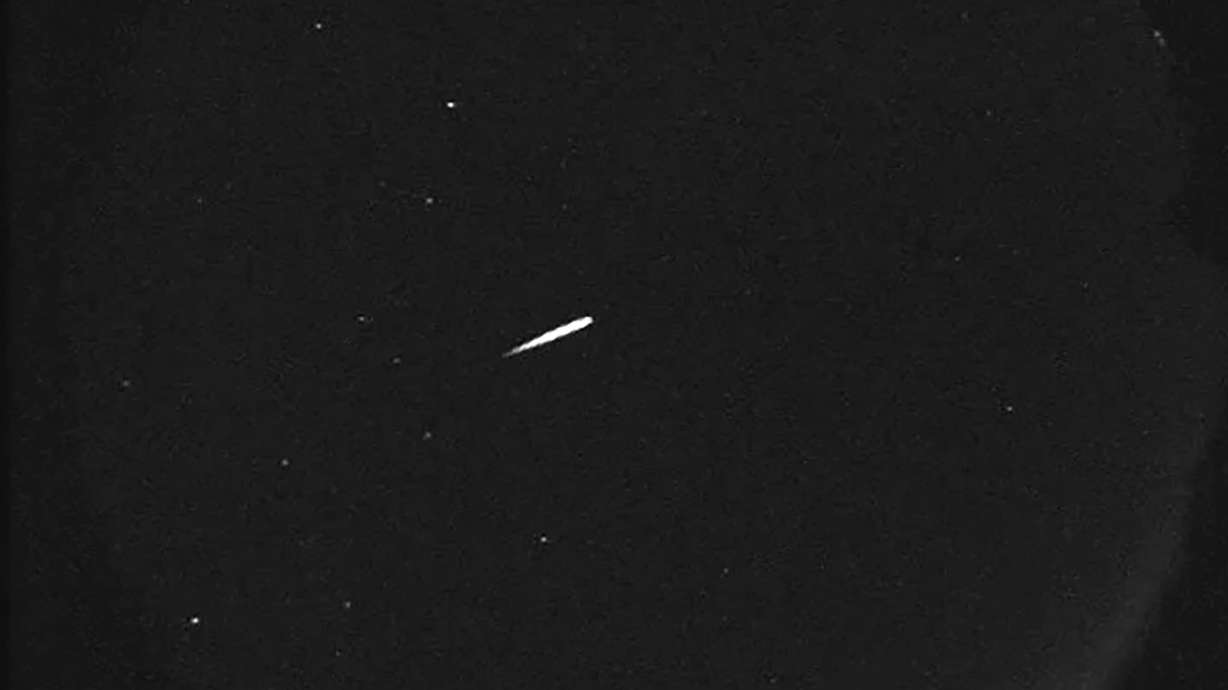
October offers a celestial treat for skywatchers: the Orionid meteor shower. Created by debris from the famed Halley’s Comet, the orionids are currently peaking and offer a chance to witness up to 20 meteors per hour under ideal conditions. This year’s viewing is particularly favorable,coinciding with a new moon which minimizes light pollution.
What causes the Orionids?
As Earth travels in its orbit around the sun, it periodically crosses paths with trails of dust and small particles left behind by comets and asteroids. The Orionids originate from debris shed by Halley’s Comet,which visits Earth’s vicinity roughly every 75 years. When these tiny particles enter our atmosphere at high speeds, friction causes them to burn up, creating the shining streaks we know as “shooting stars.”
When and Where to Look:
The Orionid meteor shower is visible from October 2nd to November 7th, with peak activity occurring on the morning of October 24th. The best time to view the shower is typically after midnight and in the early predawn hours.
To maximize your viewing experience:
* find a Dark Location: Escape the bright lights of cities and towns. The further you are from artificial light sources, the more meteors you’ll be able to see.
* Look East: The Orionids appear to radiate from a point near the constellation Orion, though meteors can appear anywhere in the sky.
* give Your Eyes Time to Adjust: Allow at least 20-30 minutes for your eyes to fully adapt to the darkness. Avoid looking at your phone or othre bright screens during this time.
* No Special Equipment Needed: The Orionids are visible to the naked eye – no telescopes or binoculars are required!
What’s Next?
While the Orionids are currently active, keep an eye out for the Southern Taurids, expected to peak on november 5th.Though, viewing conditions for the Taurids might potentially be less ideal as the moon will be full.
This data is based on data from sources like the Bell Museum and general astronomical knowledge about meteor showers and Halley’s Comet.
