
New Tool Offers Hope for Proactive Care of Younger Adults at Risk of Frailty
SCOTLAND – A new approach utilizing the Electronic Frailty Index (EFI) is poised to improve healthcare for younger adults experiencing frailty, potentially preventing hospitalizations and saving lives. Research indicates frailty isn’t limited to the elderly, and younger individuals facing frailty are at considerably higher risk of adverse health outcomes.
Dr. Morales explains, “Our findings suggest that frailty is not confined to older age and that younger adults with frailty may face especially-high risks of poor outcomes.” The EFI allows clinicians to identify at-risk younger adults, enabling earlier interventions such as medication adjustments, rehabilitation programs, or targeted support services. “In the long term, using the EFI to identify at-risk younger adults could help clinicians intervene earlier – by adjusting medications, offering rehabilitation or providing targeted support – to prevent avoidable hospital admissions and deaths,” dr. Morales stated.
The move towards personalized care is crucial, with Dr. Morales adding, “Patients could benefit from care that is more personalised to their health needs.”
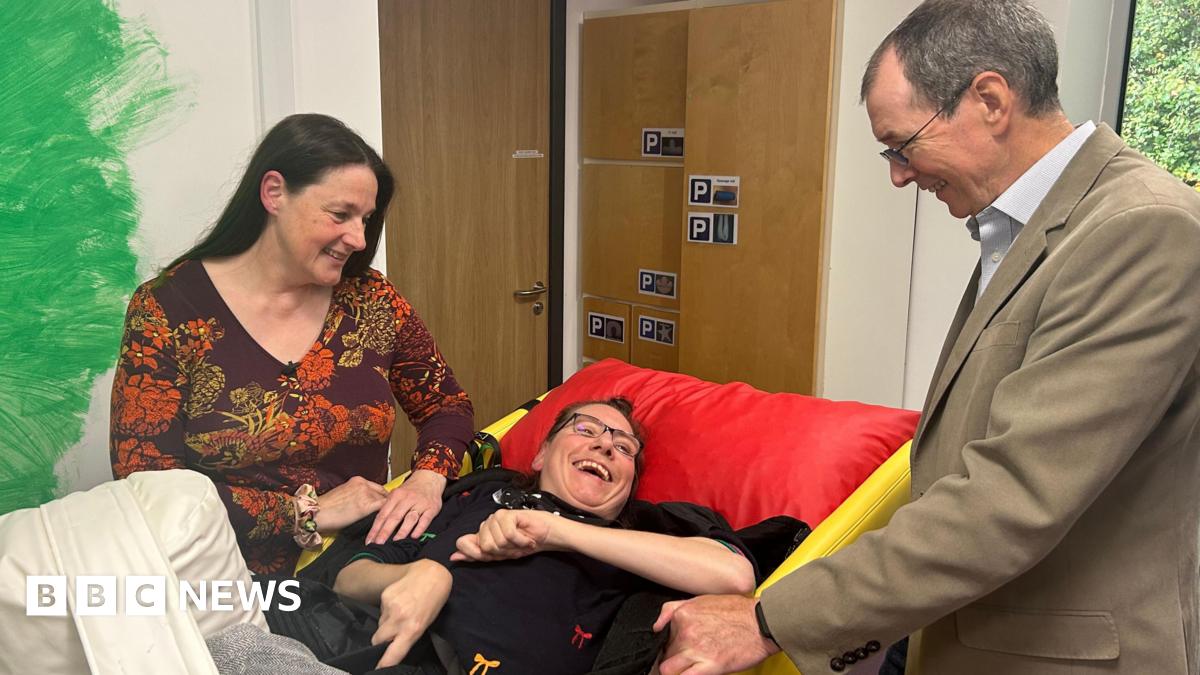
for individuals like Claire, daily assistance is already proving beneficial in managing complex health needs.Occupational therapists are playing a key role in this proactive approach. Tina Poole, an occupational therapist with Capability Scotland, has pioneered a postural care strategy to combat the effects of frailty.
“Poor posture gives you a lot of frailty because you end up with all yoru body systems not working,” Poole explained. “You might end up with breathing problems,swallowing problems,digestive issues.” She defines frailty as the extent of assistance an individual requires, highlighting the potential for complications when that support is lacking.
Poole emphasizes the importance of accurate diagnosis,particularly for those with learning disabilities. ”For people like Claire, the frailty index will only be as good as the diagnosing and investigating because, as we know, people with learning disabilities are still under-investigated and under-diagnosed.”
