
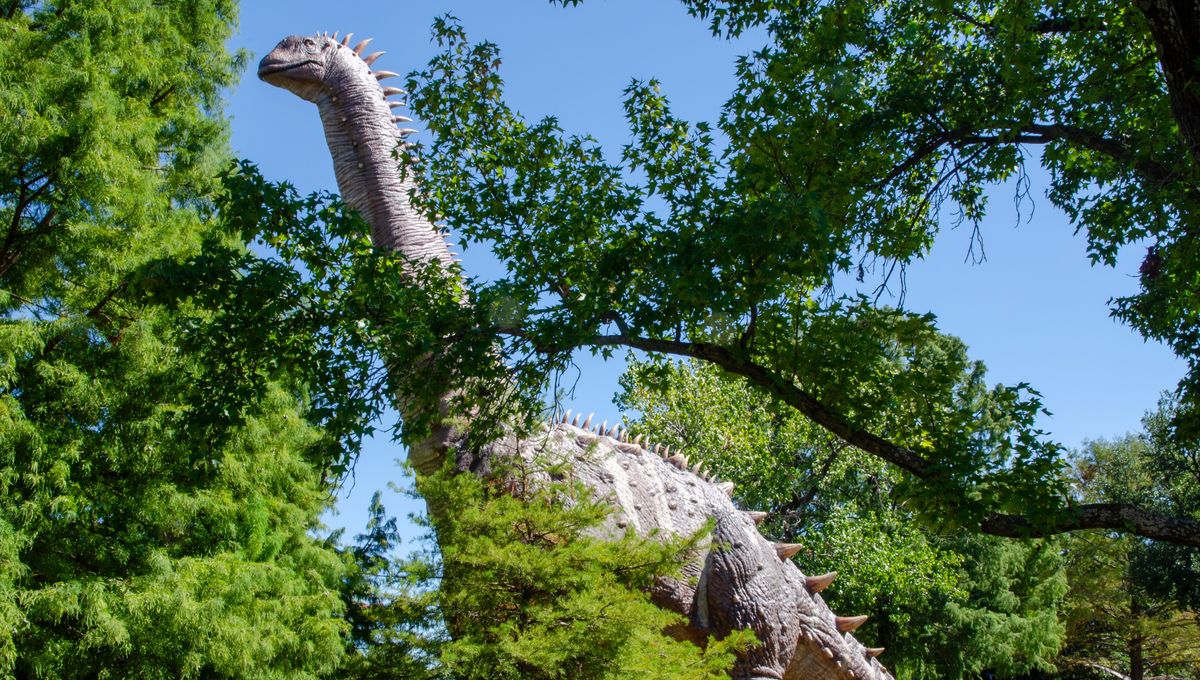
Alamosaurus: Newly Confirmed as North America’s Largest Known Land Animal
big Bend National Park, TX – A recent re-evaluation of Alamosaurus fossils confirms the titanosaur as the largest land animal ever to roam North America, reaching an estimated 21 meters (69 feet) in length. the massive herbivore, which lived during the late Cretaceous period, dwarfs even the iconic Tyrannosaurus rex and offers new insights into a puzzling gap in the North American sauropod record.
alamosaurus lived approximately 70 to 66 million years ago,towards the very end of the dinosaur age. What’s particularly intriguing is its appearance after a 30-million-year period with a scarcity of sauropod fossils on the continent, known as the “sauropod hiatus.” The reasons for this gap remain debated – possibilities range from extinction and subsequent re-population to simply a lack of fossil preservation. ”the fossilization process is a very rare process,” Dr. Susannah Maidment, senior researcher at the Natural History Museum, London, told IFLScience. “Sometimes we have things like skin and other soft tissues like feathers preserved and usually that requires a quite unique set of burial conditions,often very rapid burial.”
Some scientists theorize that Alamosaurus migrated north from South America to repopulate North America following the hiatus. This theory is supported by the fact that South America was, at the time, a hotspot for titanosaurs, including giants like Patagotitan, which reached lengths of 37 meters (121 feet). While the exact cause of the sauropod hiatus remains a mystery, the revelation and continued study of Alamosaurus confirms that North America was once home to truly colossal dinosaurs.
