
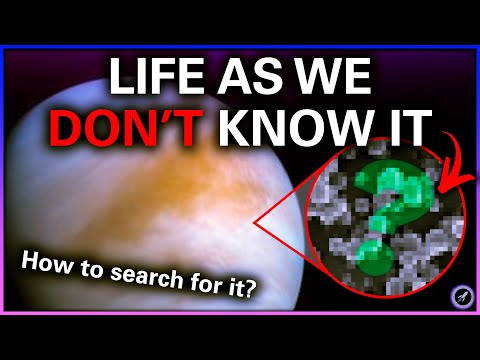
Reanalyzed Pioneer Data reveals Venus‘s Clouds Contain Surprisingly High Water Content
Recent analysis of data collected over 50 years ago by NASA’s Pioneer Venus mission has revealed that the clouds of Venus contain a significantly higher amount of water than previously estimated – approximately 62% of the aerosol composition. The findings, published recently, help resolve discrepancies between measurements taken by probes descending into the Venusian clouds and those obtained through remote spectroscopic scanning.
The re-examination focused on data from the Pioneer venus Large Probe Neutral Mass Spectrometer (LNMS). Researchers identified significant spikes in water signatures at temperatures of 185°C and 414°C, indicating the presence of hydrated compounds like hydrated ferric sulfate and hydrated magnesium sulfate. Crucially, the water wasn’t present as atmospheric vapor, but chemically bound within these hydrates, explaining why remote sensing methods underestimated its abundance.
Alongside water, the analysis confirmed the presence of sulfuric acid in the aerosols, with a major release of sulfur dioxide (SO2) detected around 215°C – the temperature at which sulfuric acid decomposes. A second, unexpected SO2 release at 397°C, coupled with a simultaneous spike in iron ions, led researchers to identify ferric sulfate as a meaningful component of the cloud aerosols. Estimates suggest ferric sulfate comprises as much as 16% of the aerosol content, nearly matching the previously estimated 22% for sulfuric acid.
The source of the iron is believed to be cosmic dust drawn into Venus’s atmosphere, reacting with the acidic cloud habitat.
This revelation has crucial implications for the ongoing search for potential life in Venus’s clouds. The scarcity of water was a major argument against habitability, but the new data demonstrates that water is far more abundant than previously thought, despite the highly acidic conditions.
The study highlights the value of revisiting archived data, demonstrating how older datasets can contribute to modern scientific understanding. The challenge, researchers note, lies in locating and analyzing this information within NASA’s extensive archives.
Original Source: This article is based on information originally published by Universe Today: https://www.universetoday.com/articles/venus-clouds-are-60-water-according-to-reanalyzed-pioneer-data
