
NHS Faces Renewed Scrutiny Over Chronic Fatigue and Lyme Disease Treatment
Recent accounts and letters to The Guardian highlight ongoing concerns regarding the diagnosis and treatment of chronic fatigue syndrome (ME/CFS) and Lyme disease within the UK’s National Health Service (NHS). A recent article detailing one family’s journey from an initial ME/CFS diagnosis to a later finding of Lyme disease has sparked debate about appropriate care pathways and the potential for medical gaslighting.
Tom Pond, a London resident diagnosed wiht ME/CFS in 2019, clarified a point in The Guardian’s reporting, distinguishing between “pacing”-a recognised energy-management technique-and “graded exercise therapy” (GET). Pond emphasized that GET is no longer recommended by the National Institute for Health and Care Excellence (NICE) due to a lack of clinical evidence and reports of patient harm. NICE updated its treatment guidelines accordingly.
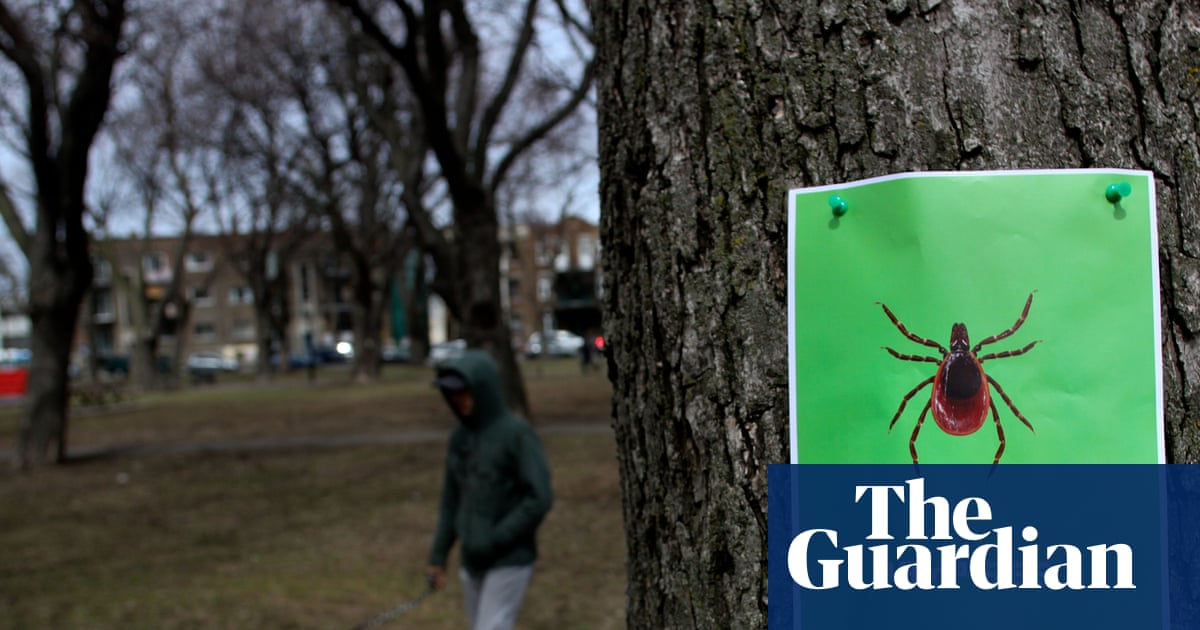
Separately, Allison DeVries of Kidlington, Oxfordshire, raised concerns about the increasing risk of insect-borne diseases, such as West Nile virus and chikungunya (which she contracted in Cambodia), as the UK climate warms and rewilding initiatives expand. DeVries argued that medical research has historically overlooked tropical diseases and called for greater consideration of the health implications of increased invertebrate interactions alongside biodiversity efforts.
These accounts underscore persistent challenges faced by patients navigating chronic illness within the NHS, including diagnostic delays, inappropriate treatment recommendations, and a perceived lack of research into emerging health threats.
