
Neurologist Warns: Modern Lifestyles Fueling “Digital Dementia” and Cognitive Decline
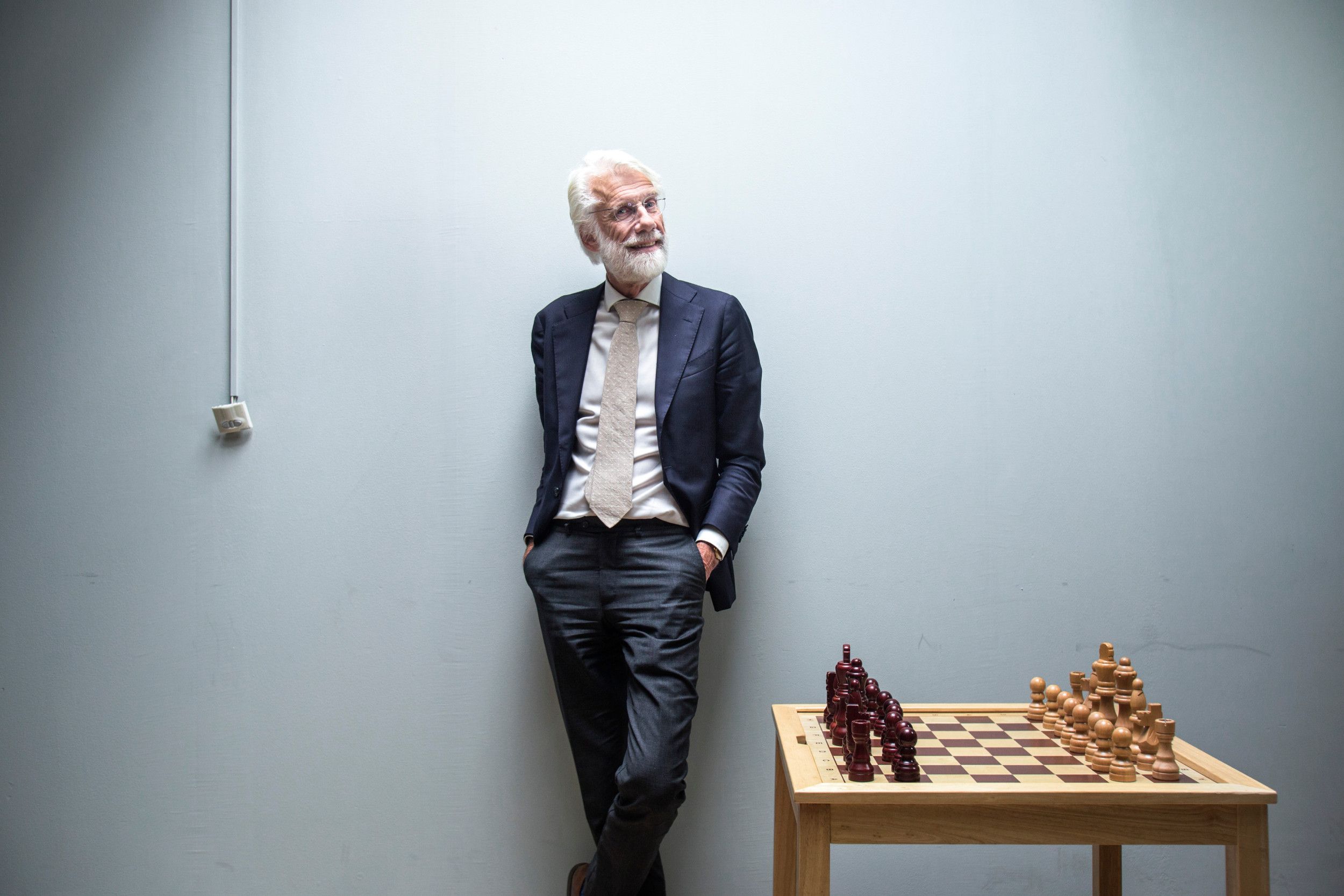
Amsterdam, Netherlands – A leading Dutch neurologist is sounding the alarm about the detrimental effects of increasingly sedentary lifestyles and excessive screen time on brain health, warning of a rise in what he terms “digital dementia” and cognitive decline. Professor erik Scherder of VU University Amsterdam argues that reliance on technology for even basic tasks, coupled wiht a lack of physical activity, is eroding cognitive reserves and possibly increasing the risk of dementia.
Scherder points to what he calls the “Law of the least physical exertion,” explaining that humans are naturally inclined towards laziness over tiredness. “The current version of Homo Sapiens mainly moves the fingertips, watches TV and surfs online,” he stated.He notes that conveniences like robot vacuums and dishwashers, while easing burdens, contribute to a decline in physical activity, which is crucial for brain health.
“Scientific research shows that around 7000 steps a day gives the greatest health gain,” Scherder emphasized, adding, “Every step counts: more is always better.” He launched the “Ommetjes” app during the COVID-19 pandemic to encourage people to increase their daily walking.
Beyond physical activity, Scherder stresses the importance of mental stimulation, notably through reading printed books. He acknowledges the challenge of encouraging teenagers to read, noting that parents ofen allow children to occupy themselves with iPads after a long day due to a lack of energy. “But thay have to set limits… If you want to put children [onto] reading, reading must be fun,” he said.
Scherder believes parents and schools share the duty of building “cognitive reserve” in children – challenging their brains to increase resilience throughout their lives. “The higher the cognitive reserve, the more resilience they have for the rest of their lives. Who doesn’t want that now?”
To encourage both physical and mental engagement,Scherder is promoting a thirty-day challenge,running from October 1st to 30th,organized by the Brain Foundation. More than 2000 people have already registered to participate.
