
Russian ‘Noah’s Ark‘ Spacecraft Returns to Earth with Living Cargo
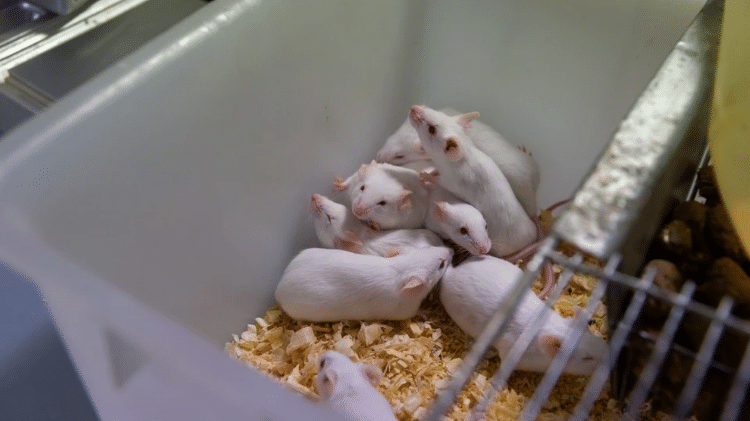
BAIKONUR COSMODROME,KAZAKHSTAN – September 24,2025 – A Russian biological research module,affectionately dubbed “Noah’s Ark,” successfully landed today carrying a diverse array of living organisms – including plants,flies,and mice – after a 30-day orbital mission. The Bion-M No. 2 spacecraft touched down at the Baikonur Cosmodrome,marking a important milestone in space biology and paving the way for extended human space travel.
The mission, conducted by the Institute of Biomedical Problems (IMBP) of the Russian Academy of Sciences, aimed to study the effects of prolonged exposure to space conditions on various life forms. Researchers will analyze the physiological and genetic changes experienced by the organisms during their time in orbit,providing crucial data for understanding the challenges of long-duration spaceflight and assessing potential risks to human health. This research is particularly relevant as nations plan for future missions to the Moon, Mars, and beyond.
The Bion-M No. 2 module launched on August 25, 2025, carrying a carefully selected collection of biological samples. Beyond the mice, flies, and plants, the spacecraft also housed microbial cultures and various biological materials. Scientists are eager to examine how the organisms adapted to microgravity, radiation, and other space-related stressors.
“The primary goal is to understand how living organisms respond to the space habitat at the molecular and physiological levels,” explained a representative from IMBP. “This knowledge is essential for developing countermeasures to protect the health and performance of astronauts on future long-term missions.”
The returned specimens will undergo extensive analysis in specialized laboratories, with initial findings expected in the coming months. The data collected from this mission will contribute to a broader understanding of the essential principles of life in space and inform the advancement of advanced life support systems for future space exploration endeavors.
