
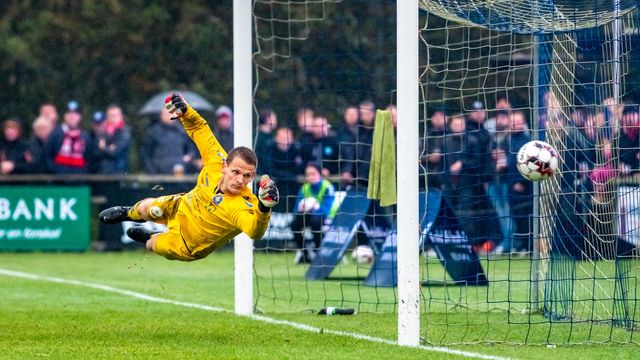
soccer Heading Linked to Subtle Brain Damage, Cognitive Decline in New Study
NEW YORK, NY – Frequent heading of a soccer ball is associated with detectable microstructural changes in the brain and a corresponding decline in learning and memory, according to a groundbreaking new study published in JAMA network Open. Researchers at Columbia University Irving Medical Center have identified a “fuzzier” transition zone between gray and white matter in the brains of avid soccer players,specifically in the orbitofrontal region – an area critical for cognitive function.
The study, led by Dr. Richard Lipton, examined 352 adult amateur soccer players and 77 age-matched athletes who did not participate in collision sports. Participants reported their heading frequency over the previous year and underwent diffusion MRI (dMRI) scans, alongside simple learning and memory tests.
The findings revealed that players reporting over 1,000 headers annually exhibited substantially altered microstructure at the gray-white matter interface in the orbitofrontal region, but not in other brain areas. These same players also scored slightly lower on learning and memory assessments compared to those who headed the ball less frequently.
“It’s very strong evidence that these microstructural changes are likely to be a cause of cognitive deficits,” Dr. Lipton stated.
The research team, including graduate student Joan Song who developed a novel dMRI method to analyze these transition zones, focused on the interface between gray and white matter due to the differing densities and movement rates of these tissues during head impact. “That creates shear forces between the two types of tissue, leaving the interface between the two layers vulnerable to injury,” Dr. Lipton explained. Song noted that, in healthy individuals, “there’s a sharp transition between these tissues,” and the study investigated whether this transition becomes less defined with repeated minor impacts.
The location of the observed brain changes is notably concerning, researchers say, as it closely mirrors the areas affected by chronic traumatic encephalopathy (CTE). The lab is now investigating a potential link between these biomarkers and the later development of CTE, though they emphasize that it is indeed currently unknown if the athletes studied will ultimately develop the neurodegenerative disease. They are also exploring whether cardiovascular activity might offer a protective effect against impact-related brain damage.
The study was published September 2025, and is available online with DOI: 10.1001/jamanetworkopen.2025.32461.
