
“`html
Diagnosing ALS: A 150-Year Journey to a New Biomarker
Table of Contents
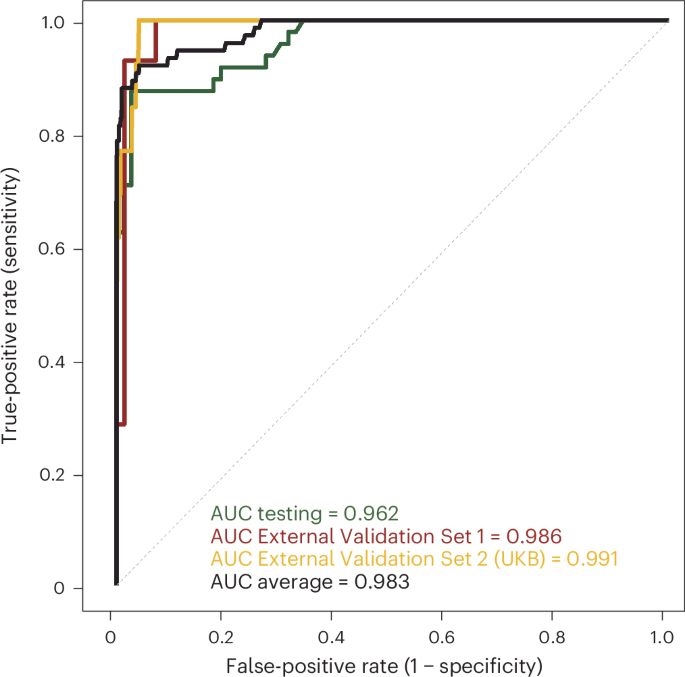
For over 150 years, diagnosing Amyotrophic Lateral Sclerosis (ALS) has been a notable challenge. The disease, also known as Lou Gehrig’s disease, frequently enough presents with symptoms that mimic other neurological conditions, leading to delays in accurate diagnosis and treatment. Now,a groundbreaking study published in Nature Medicine on September 22,2025,details a novel diagnostic biomarker that promises to dramatically improve the speed and accuracy of ALS detection.
The research, accessible via doi:10.1038/s41591-025-03989-w,focuses on a unique combination of plasma proteins. This approach allows clinicians to differentiate ALS from conditions with similar presentations, a critical step in initiating appropriate care. Previously, diagnosis relied heavily on clinical assessments and electrophysiological tests, processes that can be time-consuming and subject to interpretation.
Unlocking the Mechanisms of ALS
Beyond improving diagnosis, the biomarker revelation provides valuable insights into the underlying mechanisms of ALS. The study highlights a previously unrecognized compensatory process occurring in skeletal muscle and related bioenergetics. Researchers found evidence suggesting this process begins much earlier in the disease course than previously understood. this early activation suggests the body attempts to counteract the effects of ALS before significant motor neuron loss occurs.
This finding is significant as it shifts the focus towards understanding the initial stages of the disease. This innovation also offers insights into the underlying mechanisms of the disease
, according to the Nature Medicine publication. Further research into this compensatory mechanism could possibly lead to new therapeutic strategies aimed at slowing or even preventing disease progression.
The Long Road to Diagnosis
The quest for a reliable ALS biomarker has been a long one. Early descriptions of the disease date back to 1869,with Jean-Martin charcot providing the first detailed clinical and pathological description.However,for decades,diagnosis remained largely clinical,relying on the exclusion of other conditions. The lack of objective biomarkers meant patients often endured a frustrating and lengthy diagnostic odyssey.
The progress of this new biomarker represents a major step forward in addressing this critical need. It offers the potential to reduce diagnostic delays, improve patient outcomes, and accelerate the development of effective treatments for ALS. The ability to identify individuals at risk earlier in the disease process will be invaluable for clinical trials and personalized medicine approaches.
ALS research is rapidly evolving, with ongoing investigations into genetic factors, environmental influences, and potential therapeutic targets. The field is witnessing increased collaboration between researchers,clinicians,and patient advocacy groups,driving innovation and hope for individuals affected by this devastating disease. The focus is shifting from solely managing symptoms to developing disease-modifying therapies that can halt or reverse the progression of ALS.
Frequently asked Questions about ALS Diagnosis
- What is an ALS biomarker? An ALS biomarker is a measurable indicator of the disease, such as a specific protein in the blood, that can help diagnose ALS more accurately.
- How dose this new biomarker improve ALS diagnosis? This biomarker distinguishes ALS from similar conditions, reducing diagnostic delays and improving the accuracy of diagnosis.
- What does the research reveal about the early stages of ALS? The study suggests a compensatory process in skeletal muscle begins early in the disease, offering new insights into disease mechanisms.
- Is there a cure for ALS? Currently, there is no cure for ALS, but research is ongoing to develop effective treatments and therapies.
- Where can I find more information about this research? You can find the full study published in nature Medicine at doi:10.1038/s41591-025-03989-w.
We’re thrilled to share this significant breakthrough in ALS research with you. If you found this article informative, please share it with your
