
New CRISPR-Based Test Shows Promise for Rapid, Accessible Tuberculosis Diagnosis
A new tuberculosis (TB) diagnostic test utilizing CRISPR technology is demonstrating substantially improved sensitivity and speed, perhaps revolutionizing TB screening, especially in underserved communities. Published in Nature Communications, the research details a refined CRISPR-based test capable of detecting Mycobacterium tuberculosis even in samples wiht very low bacterial loads, such as fecal matter, cerebrospinal fluid, and oral exudates.
Currently, roughly 40% of the over 10 million annual TB cases go undiagnosed. This new method, dubbed ACTCRISPR-TB, aims to address this gap by offering a simpler, more accessible testing option. clinical trials have shown promising results: accuracy in identifying TB from oral exudate reached 74%, a notable increase compared to the 56% accuracy of standard tests. Detection rates were even higher in respiratory samples (93%) and fecal samples from children (83%).
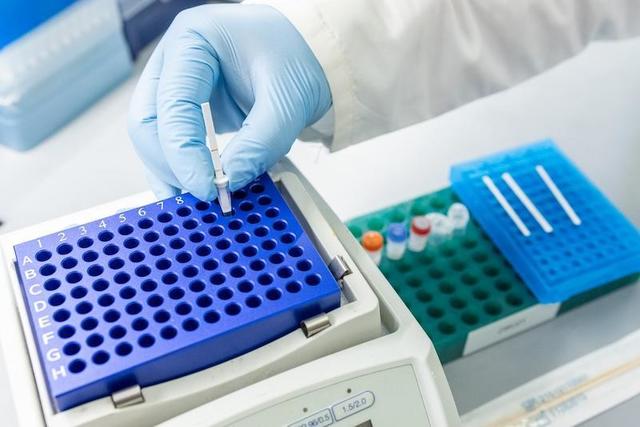
The ACTCRISPR-TB test operates on a “single container” principle, streamlining the process. A sample is added to a tube pre-filled with necessary reagents and a test strip. After a 45-minute incubation period, the appearance of colored strips indicates a positive result, mirroring the functionality of rapid COVID-19 tests. This eliminates the need for complex laboratory equipment or highly trained personnel.
“To reduce [the undiagnosed percentage], testing should be as simple and available for people who would not be tested,” explained Dr. Tony Hu, director of the Tulane Centre for Molecular and cellular Diagnosis and lead author of the study.
Dr. Zhen Huang, a professor at the Tulane University School of Medicine and co-lead author, highlighted the potential of buccal exudate testing. “Sampling a buccal exudate is painless,fast and does not require specialized medical staff,which makes it possible to perform large-scale tests,” he stated.
Beyond the core test, the Tulane team is also developing complementary technologies.These include smartphone-sized portable devices capable of delivering results in under an hour, and artificial intelligence algorithms designed to rapidly identify drug resistance, enabling more targeted treatment.
While further studies are necessary before widespread implementation, researchers are optimistic about the potential of ACTCRISPR-TB to significantly impact TB control efforts. As Dr. Hu emphasized, “If we want to eradicate tuberculosis, we must develop tools that work directly in the affected communities, not only in laboratories.”
(Photo Credit: Kenny Lass, Tulane University – as originally sourced from the provided article)
