
You Can Hold On To Your Butts Thanks to DNA That Evolved in Fish
The development of limbs in vertebrates, like fingers and toes, has long been understood to be governed by hox genes – master control genes that dictate body plan formation.Previous research suggested that the genetic mechanisms driving digit formation might be ancient, possibly building upon systems already present in fish fins. However, a new study reveals a surprising twist: the regulatory DNA crucial for hox gene activity in developing limbs evolved differently in fish and mammals.
scientists focused on regulatory DNA flanking hox gene clusters – regions upstream (5′) and downstream (3′) of the genes themselves. In mammals, deleting a specific regulatory region upstream of a hox cluster fully disables gene activity in the developing limb, preventing proper digit formation.
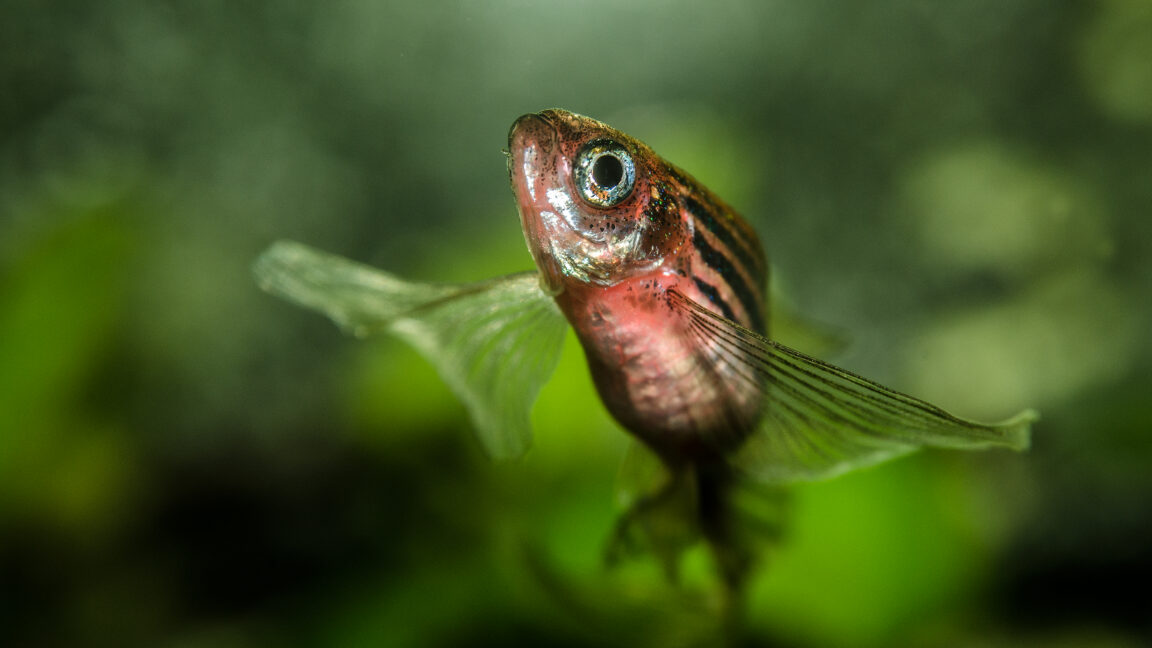
To investigate whether the same held true in fish,a US-French research team used CRISPR gene editing to remove the equivalent regulatory region in zebrafish. Surprisingly, deleting this region had minimal impact on hox gene activity in the developing fins. While activity was slightly reduced, the genes remained active enough to form digits. This indicates that while hox genes are active in similar patterns in both fish and mammals,the underlying reasons for that activity are distinct.
This finding suggests that hox gene activity in digits isn’t a conserved, ancestral trait.Rather, it appears to have evolved independently in ray-finned fish and the broader vertebrate lineage.
Intrigued, the researchers then sought to determine where the deleted regulatory DNA was essential in zebrafish. They discovered a critical role in the development of the cloaca - a single opening used for excretion and reproduction in fish, functionally equivalent to the anus and urogenital opening in mammals. The deleted region proved vital for proper hox gene activity in this area, suggesting its original function wasn’t limb development at all, but rather the formation of this essential anatomical structure.
This research highlights how evolution can repurpose existing genetic tools for new functions, and demonstrates that the genetic basis for limb development in vertebrates is more complex and dynamic than previously thought - and that a key piece of the puzzle originated in the development of a fish’s rear end.
