
Asteroid Apophis to Undergo Dramatic Orbital Shift during 2029 Earth Flyby, New Mission Planned
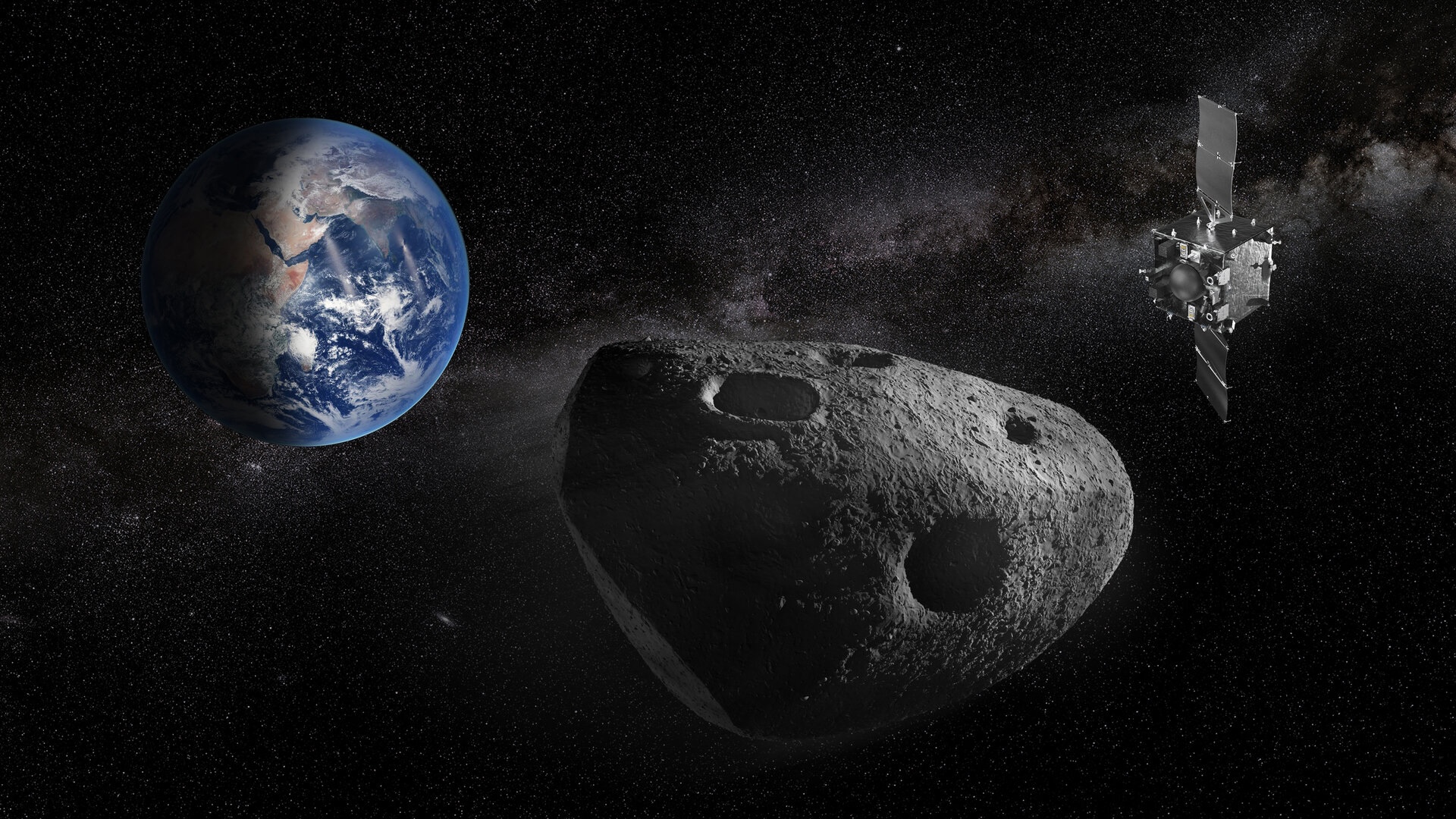
PASADENA, CA – A close encounter with Earth in April 2029 will fundamentally alter the orbit of asteroid 99942 apophis, nicknamed the “god of chaos,” and scientists are preparing a dedicated mission to study the event. The flyby, occurring between April 12-14, 2029, will bring the asteroid within 3 miles (5 km) of our planet, subjecting it to powerful tidal forces that will reshape its trajectory and potentially reveal insights into its internal structure.
While Apophis currently poses no impact threat to Earth, the event represents a unique opportunity to advance planetary defense strategies.scientists will leverage the flyby to refine models used to predict and potentially deflect hazardous asteroids, preparing humanity for the rare but real risk of a future impact. The upcoming mission, RAMSES, approved by the European Space Agency’s Science advisory Structure in November, is slated to launch in spring 2028 and arrive at Apophis by February 2029.The RAMSES mission, as detailed at a recent conference by Monica Lazzarin, a professor of physics and astronomy at the University of Padua in Italy and a member of the RAMSES science team, will meticulously observe Apophis before, during, and after its Earth encounter. Plans include mapping the asteroid’s orbit, searching for dust clouds generated by tidal forces, and potentially deploying a small satellite – a cubesat - to touch the surface and detect seismic waves.
“Apophis is not a planetary defense emergency,” explained Tom Statler, a planetary scientist at NASA headquarters in Washington, D.C. “It is an opportunity, and an unprecedented one.” He further emphasized, “Asteroids are not something to be scared of. Thay’re something to understand – and that’s what we’re doing.”
The data gathered from RAMSES will be crucial for understanding how Earth’s gravity influences asteroids and for validating techniques for altering the course of potentially dangerous space rocks, building upon the success of NASA’s DART mission which demonstrated asteroid deflection technology.
