
Global Study Reveals Divisions Among Religious ‘Nones‘ on Religion‘s Role in Public Life
Washington D.C. - A new Pew Research Center study,surveying individuals identifying as religiously unaffiliated – often called “nones” - across numerous countries,reveals significant internal divisions regarding the appropriate role of religion in society.While united by a lack of religious affiliation, these individuals diverge sharply in their views on whether religious texts should influence laws and the importance of a national leader’s faith. The findings, released today, offer a nuanced understanding of a rapidly growing demographic and its potential impact on global politics and social norms.
The increasing number of religiously unaffiliated individuals worldwide – a trend documented for years – presents a shifting landscape for policymakers and religious institutions alike. This study demonstrates that “nones” are not a monolithic group. Their perspectives on religion’s place in public life are shaped by varying degrees of personal importance placed on religion itself, educational attainment (in some countries), and, notably, are not consistently divided by age or gender. Understanding these distinctions is crucial as the influence of traditional religious institutions wanes and the values of this growing segment of the population become increasingly relevant.Across most surveyed nations with sufficient data for comparison, a clear pattern emerged: “nones” who consider religion not at all important in their lives are considerably less likely to believe religious texts should inform national laws. In Chile, such as, only 8% of “nones” who view religion as unimportant support even some influence from the Bible on their country’s legal system. This contrasts sharply with other ”nones” in Chile, where approximately three times as many share that view.
Similar divisions were observed regarding the perceived importance of a national leader’s religious beliefs. Those “nones” who place no importance on religion personally are less inclined to see a leader’s faith as a significant factor.
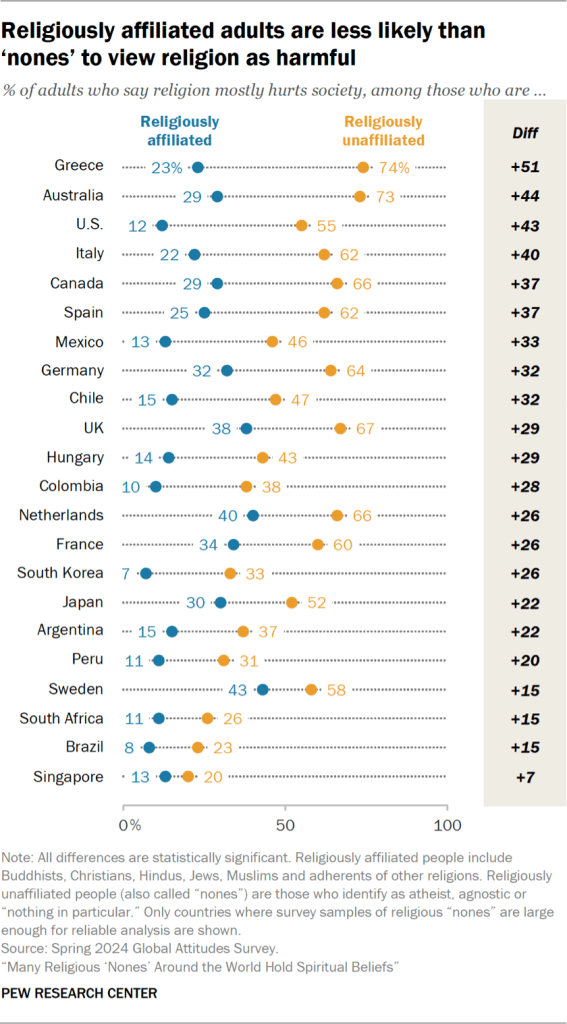
Though, the study also highlights regional variations. While in the United states, “nones” with at least an associate degree tend to hold less favorable views toward religion compared to those with less education, this correlation is not consistently replicated in other countries surveyed.Notably, the research found no consistent differences in viewpoints between younger and older “nones,” nor between religiously unaffiliated women and men, suggesting that generational or gender divides are less pronounced within this demographic when it comes to the role of religion in society.
