
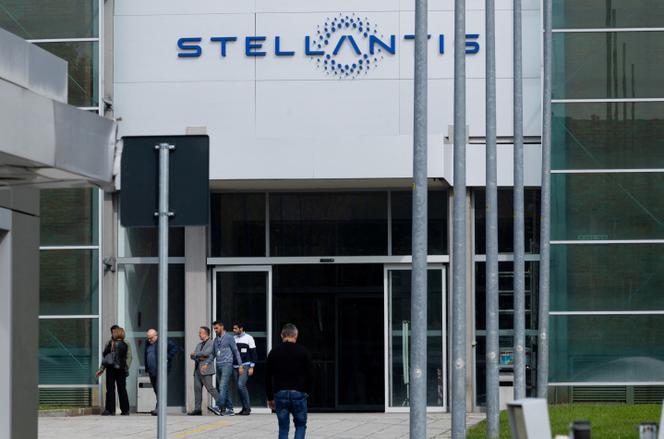
Stellantis CEO Joins chorus of Automakers Questioning 2035 Combustion Engine Ban
PARIS – Stellantis CEO Antonio Filosa has become the latest automotive leader to publicly voice concerns over the European Union’s planned ban on the sale of new combustion engine vehicles by 2035, adding to similar criticisms recently leveled by BMW and Mercedes-Benz. Filosa argues the timeline is too rigid given current market realities and the accelerating trend toward regionalized automotive markets.
The escalating debate centers on the EU’s commitment to full electrification and its potential impact on the automotive industry and European economies. The 2035 deadline,intended to accelerate the transition to electric vehicles and reduce carbon emissions,is now facing scrutiny as automakers grapple with supply chain challenges,rising costs,and varying consumer demand across different regions. This shift coudl considerably impact manufacturing jobs,particularly in regions heavily reliant on traditional automotive production,like Northern France,home to a major Stellantis utility factory in Hordain.
Filosa emphasized the strategic importance of the automotive axis, particularly for France, citing the Hordain plant.However, he stated that decisions regarding potential factory closures are premature, contingent on the evolution of European regulations.
“Europe has chosen the path of complete electrification, orientation that we support and on which we have strongly invested, but of which we today question the pace and rigidity given the realities of the market,” Filosa stated. He further noted the automotive market is “regionalizing” due to “double pressure of customs duties and regulations.”
The concerns raised by Stellantis, BMW, and Mercedes-Benz signal a growing industry push for greater versatility in the EU’s regulations, potentially advocating for a phased approach or the inclusion of synthetic fuels as a viable alternative to full electrification.The debate is expected to intensify as the EU prepares to review its “Euro 7” emission standards, which could influence the future of combustion engine technology in Europe.
