
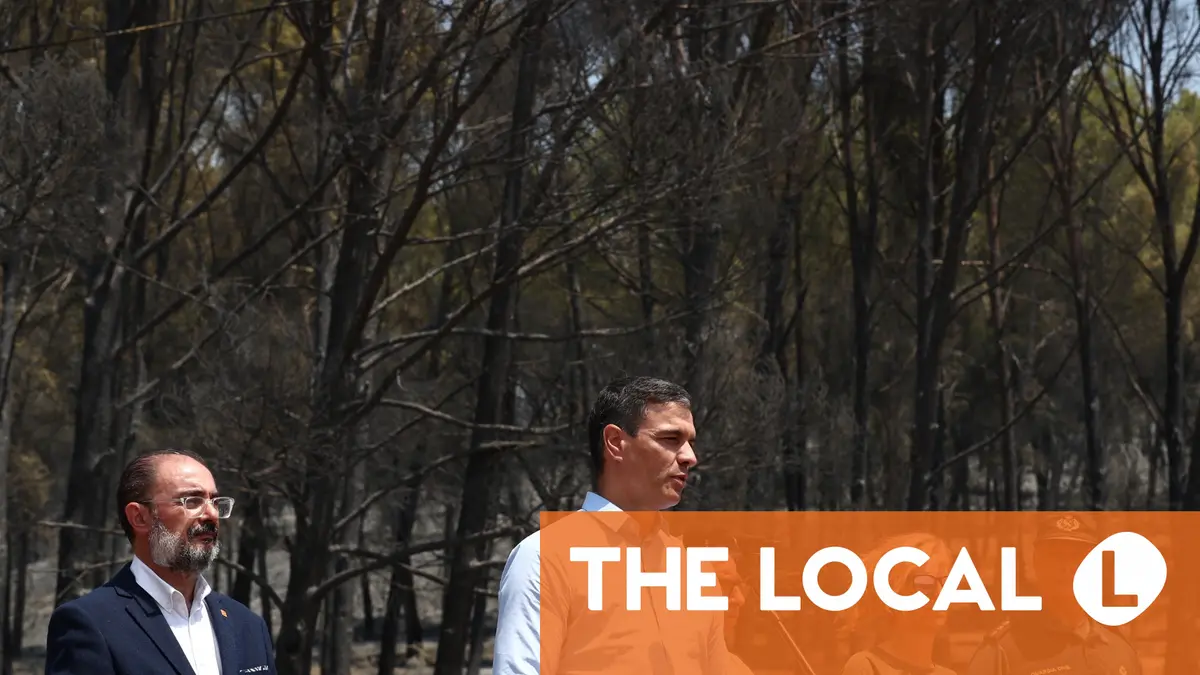
Spain’s Prime Minister Admits Wildfire Prevention Efforts Were ‘Clearly Insufficient’
MADRID - Prime Minister Pedro Sánchez acknowledged Monday that Spain’s wildfire prevention policies were “clearly insufficient” as teh country grapples with a record-breaking year for land destroyed by fire. Four people died and thousands were evacuated during a recent heatwave that sparked wildfires across southern Europe.
Sánchez, presenting a ”national pact against the climate emergency” in Madrid, cited a shortage of firefighters, forest rangers, and prediction tools as key deficiencies. He emphasized that effective wildfire management requires year-round effort, stating, ”These violent fires are not extinguished in summer, they are put out in winter, in autumn, working every day of the year.”
The Prime Minister also pointed to “inadequate” land management practices, resulting in a “countryside full of biomass and without fire breaks,” alongside “obsolete infrastructure.” He further attributed the severity of the fires to the ongoing climate emergency, echoing scientific warnings about the link between global warming and increased wildfire risk.
According to the European Forest Fire Data system, wildfires in Spain have consumed hundreds of thousands of hectares this year, primarily in August. The total area burned has surpassed the previous record of 306,000 hectares (756,000 acres) set in 2022, establishing a new annual high since records began in 2006.
The admission comes amid a political debate, with the Socialist government and the conservative Popular Party (PP) trading blame. The Socialists accuse the PP of failing to implement effective prevention policies in regions they govern and downplaying climate change, while the PP cites arson and insufficient central government resources, including military support, as the primary causes.
