
Leading Gene Therapy Expert Calls for Global Dialog on Regulation Following China Visit
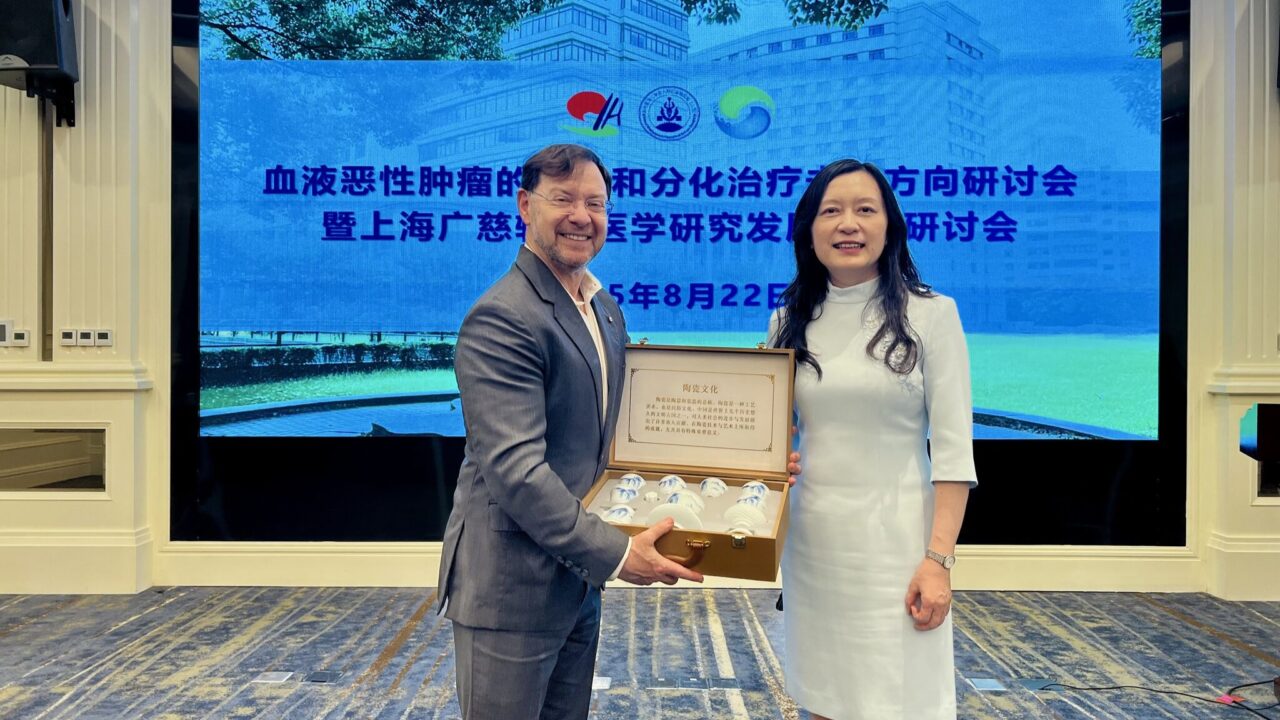
SHANGHAI – John Rasko, Past president of teh International Society for Cell & Gene Therapy (2018-22), has returned from a series of meetings in Shanghai and Hangzhou, China, sparking a conversation about the balance between rigorous regulation and accelerating access to possibly life-saving cell and gene therapies.The visit,hosted by Ruijin Hospital Affiliated to Shanghai Jiao Tong University,School of Medicine,and Shanghai Jiao Tong University,provided Rasko with a unique platform to discuss biomedical initiatives and the challenges facing the field.
The debate centers on how to best navigate the complexities of bringing innovative treatments to patients while ensuring safety and efficacy. With cell and gene therapies showing promise for conditions like blood cancers, finding the right regulatory framework is critical – a challenge felt globally as these advanced treatments move from clinical trials to wider availability. Rasko’s reflections, prompted by a direct question from former Chinese Health Minister Zhu Chen, highlight the need for a nuanced approach that considers both minimizing harm and addressing unmet medical needs.
During his trip, Rasko delivered a presentation titled “The roller coaster of clinical cell and gene therapies,” outlining current hurdles including immunological responses, equitable access, and the financial burden of these often-expensive treatments. A conversation with Professor Chen, a renowned haematologist who made important contributions to the treatment of blood cancers like APML and ATRA, proved especially insightful.
“Do we have too much regulation?” Chen asked Rasko, prompting a period of reflection. Rasko, with nearly two decades of experience chairing Australia’s peak advisory body on gene technology and serving on the World health Organization medicine nomenclature committee, is a staunch advocate for evidence-based, self-reliant regulation.
Though, the exchange led Rasko to consider the broader implications of prioritizing caution above all else. He noted the importance of balancing the desire to minimize harm with the urgent needs of patients seeking access to new and existing therapies. “It’s a balance that needs to be reconsidered for every jurisdiction and circumstance – interested to hear views from around the world!” Rasko shared on LinkedIn. The call for global perspectives underscores the complex, international nature of gene therapy development and implementation.
