
sumba’s Pioneering Women Ride the Wave of Change
Table of Contents
Sumba, an Indonesian island largely untouched by mass tourism, is experiencing a quiet revolution. Three local women-Lisa,Rani,and Milan-are challenging deeply ingrained cultural norms by learning to surf and are actively working to establish the island’s first female surf school.Their story highlights a growing movement of female empowerment in a region steeped in ancient traditions.
A Land Rooted in tradition
Sumba is characterized by its untamed natural beauty, where lush jungles meet dramatic coastlines. The island’s cultural identity is profoundly shaped by Marapu,an indigenous animistic belief system predating major world religions. This spiritual tradition emphasizes a deep connection between the people, their ancestors, and the natural world, influencing all aspects of life from daily customs to sacred rituals. Reverence for nature is central to Sumbanese culture, reflected in their traditions and daily practices.
The annual Nyale and Pasola traditions vividly demonstrate this connection. Each year, the arrival of sea worms-known as “Nyale”-triggers a cascade of events. Locals gather to catch the worms, considered a delicacy and a symbol of good luck.This event is intertwined with the Pasola, a horseback battle re-enacting a legendary conflict, often resulting in serious injuries. That’s just the way it is; it’s tradition,
Milan explained,acknowledging the inherent risks within the cultural practice.
Did You Know? The Marapu tradition in Sumba is one of the few remaining examples of animistic belief systems still actively practiced in Indonesia.
Breaking Barriers on the Waves
Lisa, Rani, and Milan’s journey into surfing began as a personal exploration, a desire to connect with the ocean in a new way. Despite facing societal expectations and familial concerns,they persevered. Many people told me I shouldn’t go in the ocean, that it’s perilous and not my place as a woman, but I just threw myself in there anyway, just like the queen,
Lisa shared, referencing the legend of the Nyale queen who transformed into a sea worm after a tragic love triangle.
Their initial experiences were met with skepticism and a lack of support from many men in the community. Rani noted, There are a few men here who support us, maybe two or three who keep encouraging us to learn and help by teaching us technique, but a lot of men just don’t understand why we wont to surf as well, and they just ignore us.
Even their families expressed apprehension, fearing for their safety. However, their determination remained unwavering.
The women’s efforts have been supported by organizations like Konservasi Indonesia (KI), Conservation International’s Surf Conservation Programme, and Yayasan Satu Visi (YSV). They previously collaborated on community-driven conservation initiatives, including a Surf Conservation Camp focused on preserving Sumba’s natural surroundings. They are now exploring a potential partnership with OceanFolx, a nonprofit that teaches women to swim and surf in Lombok.
Pro Tip: When traveling to culturally sensitive areas, always prioritize respectful engagement with local traditions and customs.
A Vision for the Future
Lisa, Rani, and Milan envision a future where more Sumbanese women have the opportunity to experience the joy and empowerment of surfing. Their dream is to establish a female surf school, providing instruction and fostering a supportive community. Teaching the next generation of girls how to swim and surf is my dream,
they stated. Girls are still expected to stay at home, especially once they’re married and have children, but I want to show them they can do something different.
| Milestone | Date | Details |
|---|---|---|
| Initial Surfing Lessons | 2024 | Lisa, Rani, and Milan begin learning to surf. |
| Collaboration with KI/CI/YSV | Ongoing | Participation in conservation initiatives and Surf Conservation Camp. |
| Surf School Planning | 2025 | Active planning and seeking partnerships for a female surf school. |
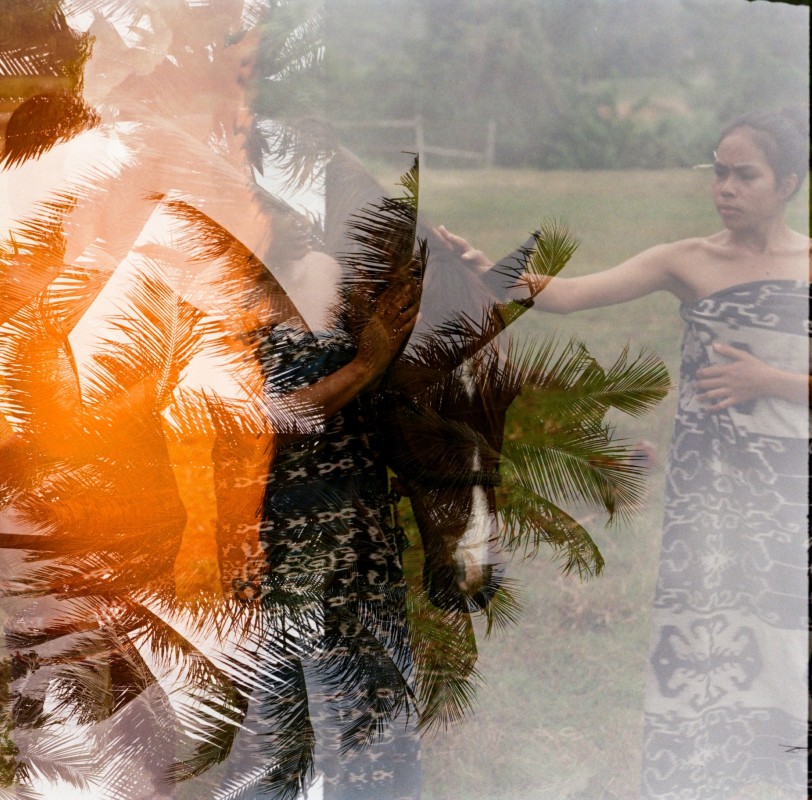
Their commitment extends beyond surfing. They proudly showcase their Sumbanese heritage by wearing traditional ikat cloth, a symbol of their culture and identity. Ikat is very vital to us because it’s what we have been wearing forever. It is a symbol of our culture and our Sumbanese lifestyle,
they explained.
The women’s story echoes a broader trend of female empowerment in Indonesia, where women are increasingly challenging traditional roles and pursuing their passions. This aligns with research highlighting the positive impact of female participation in sports and outdoor activities on self-esteem and social inclusion (e.g., UN Enduring progress Goal 5: Gender Equality).
What challenges do you think these women will face as they work to establish their surf school? how can tourism be leveraged to support local initiatives like this one?
Sumba: A Rising Destination for Sustainable Tourism
Sumba is increasingly recognized as a destination for eco-conscious travelers seeking authentic cultural experiences. The island’s commitment to preserving its natural environment and traditional way of life is attracting visitors who prioritize sustainability. The rise of female empowerment initiatives, like the surf school project, further enhances Sumba’s appeal as a destination that supports local communities and promotes positive social change. The Indonesian government is actively promoting sustainable tourism initiatives across the archipelago, recognizing the economic and environmental benefits of responsible travel.
Frequently Asked Questions About Sumba and Female Surfing
- What is Marapu? Marapu is the indigenous animistic belief system of Sumba, deeply rooted in the connection between people, ancestors, and nature.
- What is the importance of the Nyale tradition? The Nyale tradition celebrates the arrival of sea worms,symbolizing good luck and connecting locals to the ocean.
- what challenges do women face when learning to surf in Sumba? Women often encounter societal expectations and a lack of support from some members of the community.
- What is the goal of the proposed surf school? The surf school aims to empower women and girls by providing surfing lessons and fostering a supportive community.
- How can visitors support local initiatives in Sumba? Visitors can support local initiatives by choosing eco-kind accommodations, participating in community-based tours, and respecting local customs.
We’d love to hear your thoughts on this inspiring story! Share it with your friends, leave a comment below, or subscribe to our newsletter for more uplifting news from around the world.
