
Plastic’s Health Toll Exceeds $1.5 Trillion Annually, Lancet Report Warns
Global Summit Aims for First-Ever Plastic Pollution Treaty Amidst Growing Crisis
Plastic pollution poses a severe and often underestimated threat to human health, imposing an annual global cost of at least $1.5 trillion, according to a groundbreaking report published in The Lancet.
Experts Urge Action Ahead of Crucial Treaty Talks
The comprehensive review, compiled by leading health professionals, arrives just as delegates from nearly 180 nations convene in Geneva for talks on the world’s first treaty to combat plastic pollution. Experts emphasized the urgent need for an agreement, citing previous unsuccessful attempts.
The report draws parallels between plastic, air, and lead pollution, asserting that legislative and policy interventions can significantly alleviate the health impacts of plastic contamination.
Plastic Chemicals Linked to Widespread Health Issues
A broad review of epidemiological studies revealed consistent evidence of multiple adverse health effects across all life stages associated with plastic chemicals. Infants and young children are identified as particularly vulnerable.
These documented effects include impaired reproductive capacity, such as polycystic ovary syndrome and endometriosis, as well as perinatal complications like miscarriage and reduced birth weight. Diminished cognitive function, insulin resistance, and childhood obesity were also highlighted, alongside type 2 diabetes, cardiovascular disease, stroke, and cancer in adults.
“It is incumbent on us to act in response. To those meeting in Geneva: please take up the challenge and the opportunity of finding the common ground that will enable meaningful and effective international cooperation in response to this global crisis.”
—Philip Landrigan, Doctor and Researcher at Boston College
Microplastics: A Ubiquitous and Emerging Concern
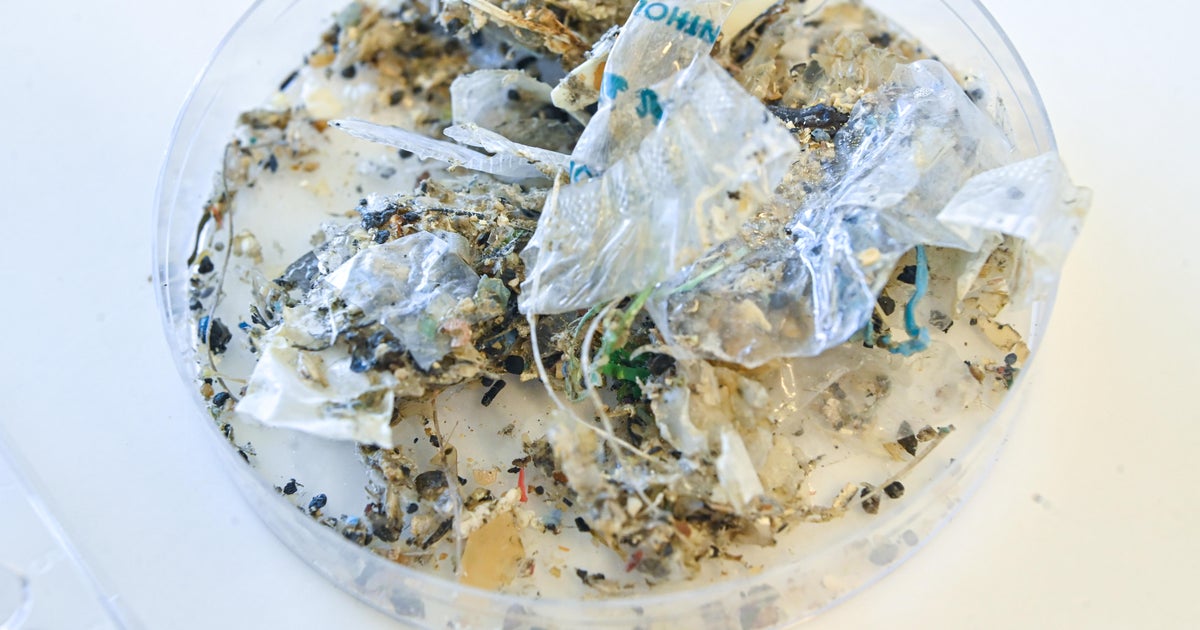
Researchers also raised alarms about microplastics, tiny plastic fragments found throughout the environment and human bodies. While the full health implications remain under investigation, their pervasive presence is a significant cause for concern.
Global plastic production has surged dramatically, escalating from two million tons in 1950 to 475 million tons in 2022. Projections indicate a threefold increase by 2060, with less than 10 percent of all plastic currently being recycled.
Climate and Plastic Crises Intertwined
The report underscores the intrinsic link between plastic production, which relies on fossil fuels, and the broader climate crisis. Both challenges are demonstrably contributing to disease, death, and disability worldwide, with harms expected to intensify as global temperatures rise and plastic output continues to climb.
A 2023 report by the UN Environment Programme highlighted that over 400 million tonnes of plastic are produced every year, with projections indicating a near-tripling of this figure by 2060 if current trends persist (UNEP).
