
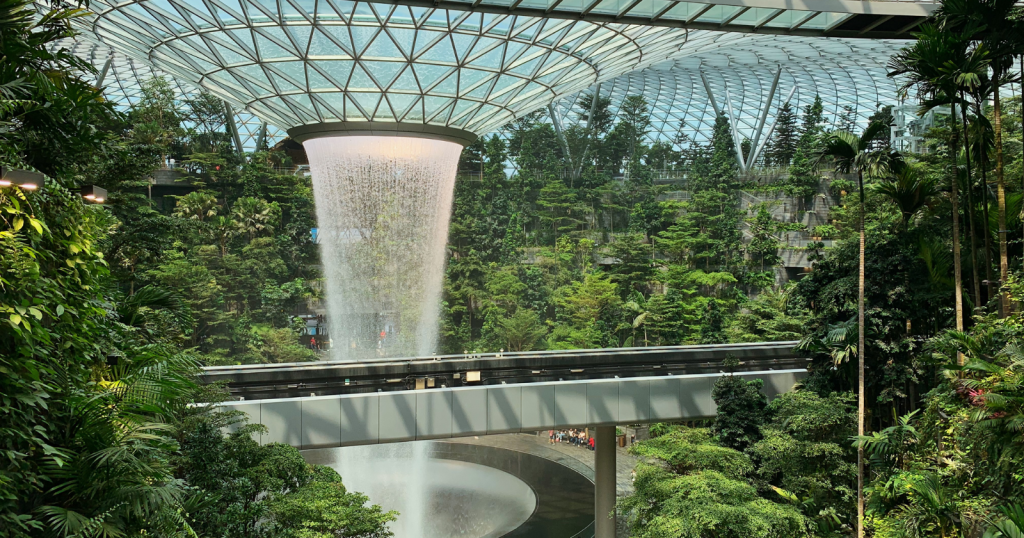
Singapore‘s unique linguistic landscape and hyper-efficient, tech-driven society left a lasting impression on a recent visitor, highlighting both the allure and the subtle trade-offs of its meticulously managed environment.
During a six-month stay in Singapore, the author encountered the city-state’s distinctive blend of English and local dialects, particularly Singlish, a vibrant creole incorporating Hokkien and Malay influences, peppered with particles like “lah” and “sia.” Initial communication challenges, such as a kopi stall uncle’s query “You makan already or not?” wich required translation to textbook English, eventually gave way to an appreciation for singlish’s efficiency and cultural significance. The author noted that mastering Singlish, evidenced by unironic use of “lah” without eliciting laughter, marked a personal milestone in integrating into the local culture.
The article also delves into Singapore’s embrace of technology and cashless systems, citing examples like delivery robots in Punggol and facial recognition immigration lanes. This pervasive efficiency, while described as “intoxicating,” also raised questions about privacy. The author observed a societal willingness to trade data for convenience, contrasting with a personal preference for offline methods like using a notebook. A local friend’s analogy of Singapore as a well-cared-for child in a shared living room, overseen by a parental state, encapsulated the city’s blend of comfort and pervasive surveillance, with CCTV cameras on every block.
Upon departing Singapore, the author reflected on the lasting impacts of the experience. These included adopting stricter recycling habits, influenced by the city’s comprehensive bin systems, and developing a heightened respect for punctuality, noting that arriving “on time” is paramount. The visit also fostered a “deeper skepticism of shiny narratives,” prompting a realization that Singapore’s celebrated brand of cleanliness, safety, and futurism, while not false, is incomplete. The author suggests that embracing nuance, rather than striving for perceived perfection, fosters a greater sense of belonging.
The piece concludes with a suggestion to experience both the iconic sights, such as Marina bay Sands at sunset, and the less-publicized realities, like a dawn visit to a wet market. It is in these less curated spaces, where “fish guts hit concrete and grannies haggle over choy sum,” that the author found the most transformative aspects of Singapore.
