
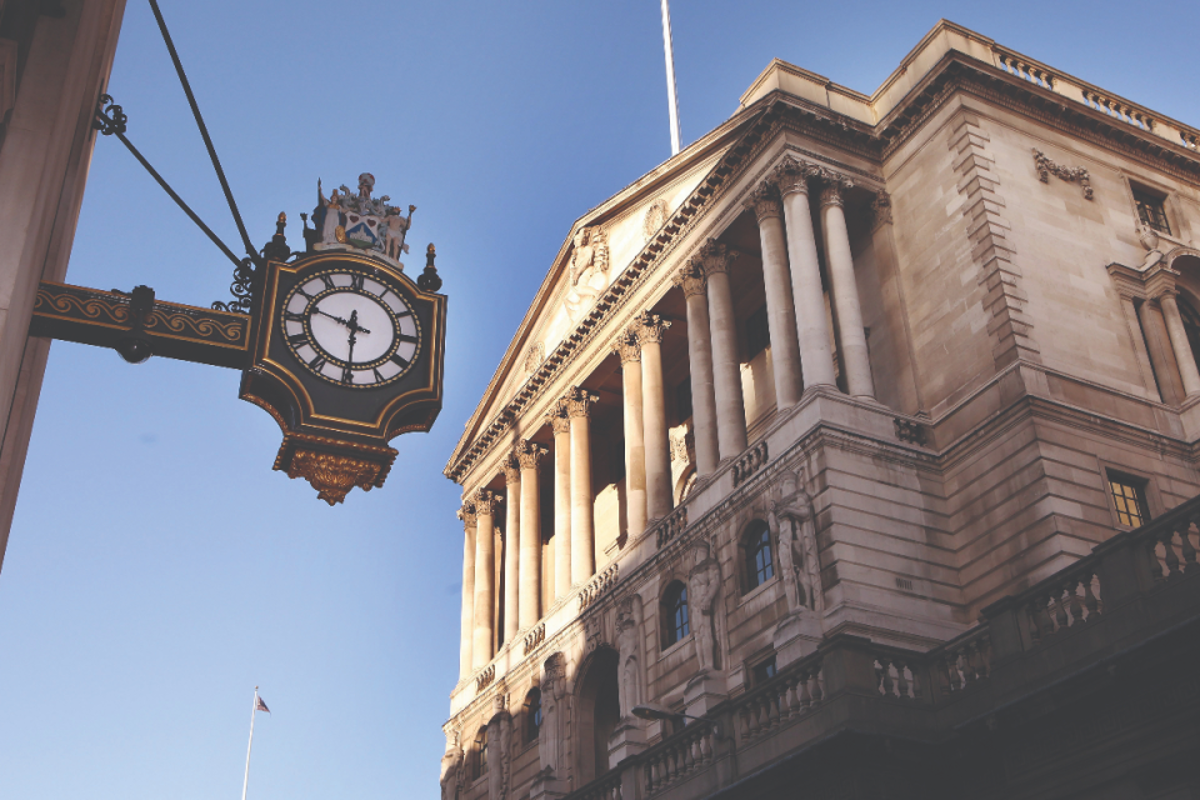
London, UK – The Bank of england is facing a pivotal decision on interest rates, with economists divided on the path forward following recent economic data. While some anticipate further cuts,others believe a pause is imminent due to persistent inflation and labor market shifts.
The Monetary Policy Committee (MPC) is expected to consider a 50 basis point interest rate cut at its upcoming meeting. This move is supported by members like Dhingra and Taylor, who were influenced by recent labor market developments. Thier previous vote for a 50 basis point reduction in June suggests a continued inclination towards aggressive easing.
However,Deputy Governor Dave Ramsden,who also voted for a cut in June,is less likely to advocate for a larger reduction,adhering to the banks “gradual and careful” policy approach. This divergence highlights the uncertainty surrounding the Bank’s monetary policy direction.
Bank of England‘s Uncertain Path
financial markets have priced in two interest rate cuts by the end of the year,which would bring the Bank Rate down to 3.75 percent. Yet, analysts remain split on the extent of the Bank’s willingness to continue this cutting cycle.
A majority of economists, including those from UBS and Capital Economics, predict that interest rates could fall to as low as three percent by the close of next year. This outlook suggests a more prolonged period of monetary easing.
Conversely, economists at Pantheon Macroeconomics, Robert Wood and Elliott Jordan-Doak, anticipate that the August cut might be a singular event.They cite concerns about elevated inflation and potential job cuts in the coming months as reasons for a potential pause. Their analysis suggests that “solid growth momentum as well as sticky wage and price inflation suggest to us a limited case for further interest rate cuts.” They also note that “elevated inflation expectations support an elevated neutral rate too.”
Wood and Jordan-Doak conclude that “the MPC will have to press pause after one more cut. Six years of near-continuous inflation overshoots cannot be ignored.” This perspective underscores the ongoing debate about balancing inflation control with economic growth stimulation.
