
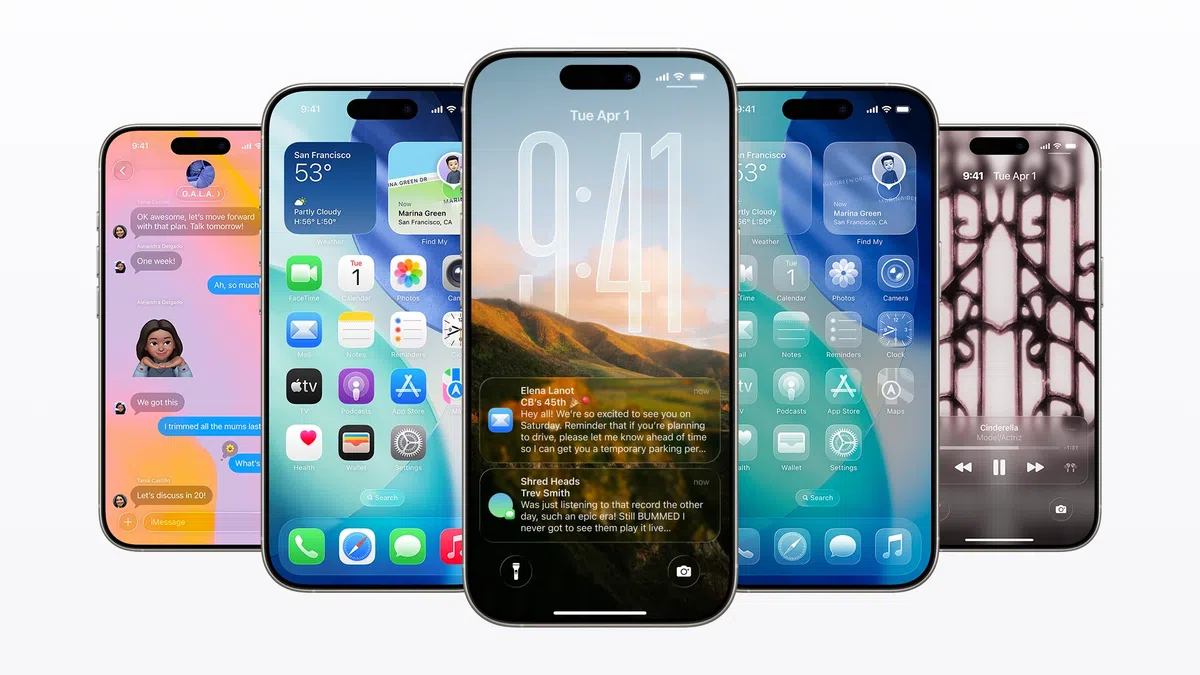
Apple Unleashes Public Beta for iOS 26 and More
Developers and Enthusiasts Can Now Test Latest OS Updates
Apple has rolled out the first public beta versions of its upcoming operating systems, allowing users to experience new features before the official September release. Developers have already seen four beta iterations, and now the public can join in, provided they accept the inherent risks.
Navigating the Beta Landscape
While the public beta aims to iron out major issues, it’s crucial to understand that not all functionalities may perform flawlessly. App compatibility can vary, and battery life may be impacted during the testing phase. Furthermore, devices running beta software might not be eligible for standard repair services at Apple until they are reverted to a stable version.
How to Install the Beta
For those eager to try the new systems, the process involves a few key steps:
- Ensure a complete backup of your device’s data and system.
- Visit beta.apple.com and log in with your Apple ID to enroll in the public beta program.
- On your device, navigate to Settings, then General, followed by Software Update. Select “Beta updates” and choose the desired public beta for iOS 26, iPadOS 26, or macOS 26.
- For Apple Watch users, enable beta updates through the Watch app on your iPhone, then proceed to the Software Update section.
- Confirm the installation of the beta update via the Software Update page in your device’s settings.
A Glimpse at What’s New
The latest operating systems introduce a fresh aesthetic dubbed “Liquid Glass.” This new design features interface elements that appear to float, with a visual style reminiscent of water droplets and glass. A significant change is the unified version numbering; all systems, including iOS, iPadOS, and macOS, will now carry the “26” designation. This aims to simplify tracking updates by tying them to the current year.
Enhanced Features Across Platforms
macOS 26 is set to receive a substantial upgrade to its Spotlight search functionality. Users will benefit from enhanced command capabilities and keyboard shortcuts for improved productivity. iPads will gain more Mac-like features, including resizable windows with the familiar traffic light controls, a top-mounted menu bar, and app closing buttons, bridging the gap between the two platforms.
According to recent reports, over 70% of active iPhones were running iOS 17 within months of its release, indicating strong user adoption of new software. This suggests a significant interest in Apple’s latest advancements.
