
COVID-19 Linked to Alzheimer’s-Like Protein Buildup in Eyes
New Study Reveals Potential Ocular Impact and Brain Fog Connection
New research suggests that COVID-19 may contribute to protein accumulations, akin to those found in Alzheimer’s patients, not only in the brain but also within the eyes. This discovery could illuminate the persistent “brain fog” reported by many after infection.
Investigating the Ocular Connection
A Yale University-led study aimed to understand the parallels between COVID-related cognitive issues and Alzheimer’s disease. Researchers explored whether the SARS-CoV-2 virus could induce Alzheimer’s-associated plaque formation, potentially explaining post-COVID neurological symptoms.
“There is growing evidence linking COVID-19 and brain fog, a commonly reported symptom following infection,” stated senior author Brian Hafler, an ophthalmologist at Yale School of Medicine. He added, “While the mechanisms of brain fog after COVID-19 are not fully understood, scientists have found that SARS-CoV-2 can induce amyloid beta accumulation in the central nervous system.”
Retinal Tissue Analysis
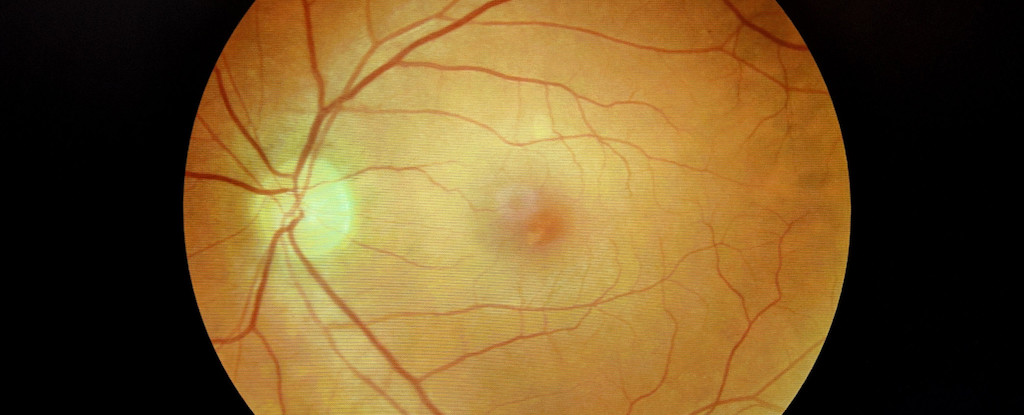
The researchers examined postmortem human retinal tissue and created retinal organoids – miniature, three-dimensional models of the retina derived from human stem cells. They analyzed various retinal cell types, focusing on RNA within cell nuclei to gauge protein production.
Their investigation zeroed in on neuropilin-1 (NRP1) and angiotensin-converting enzyme 2 (ACE2), proteins previously identified as potential entry points for SARS-CoV-2 into neurons. NRP1 was detected in neurons and glial cells from the retinas of individuals who had COVID-19, indicating a possible pathway for the virus to access the eyes.
Individuals without a history of dementia exhibited elevated amyloid beta buildup if they had contracted COVID-19, often presenting retinal tissue resembling that of Alzheimer’s patients. Furthermore, amyloid beta levels increased in retinal organoids when exposed to the SARS-CoV-2 spike protein, the component the virus uses to enter host cells.
Targeting NRP1 for Neurological Relief
Intriguingly, when researchers introduced an NRP1 inhibitor, they observed a reduction in the amyloid beta increase that otherwise occurred in retinal tissue exposed to the coronavirus spike protein. This suggests that targeting NRP1 could offer a strategy to mitigate neurological complications from COVID-19, such as persistent brain fog.
“Mechanistically, the involvement of NRP1 in amyloid beta aggregation gives a specific molecular target for future investigation,” Hafler noted. “Our study showed that exposure to SARS-CoV-2, in particular spike protein, can lead to the formation of amyloid beta aggregates in both human retinal tissue and retinal organoids.”
Amyloid Beta: A Protective Response?
The study also supports the emerging view of amyloid beta not just as a cause of Alzheimer’s but as a protective element. While structurally similar to antimicrobial peptides, some research suggests amyloid beta may be part of the brain’s immune system. It is theorized that amyloid beta accumulation could signify the brain’s efforts to combat microbial invaders, especially when the blood-brain barrier is compromised, as it can be in Alzheimer’s disease.
“It bolsters the amyloid beta antimicrobial hypothesis of Alzheimer’s disease, suggesting that amyloid beta could act as part of the brain’s innate immune response against viral infections,” Hafler explained.
Future Research and Therapeutic Aims
The study’s authors point out that other viruses might trigger similar amyloid beta accumulations, underscoring the need for further investigation. Hafler and his team are currently undertaking clinical studies to determine if COVID-19 can elevate long-term Alzheimer’s risk.
“Our ultimate goal is to prevent long-term neurological effects of COVID-19 and explore NRP1 inhibitors and other modulators of virus-host interactions as potential therapeutics for preventing viral-induced amyloid pathology and Alzheimer’s disease,” Hafler concluded.
The findings were published in the journal Science Advances.
