
New Study Suggests Potential link Between Neanderthal DNA and Chiari Malformation Type 1
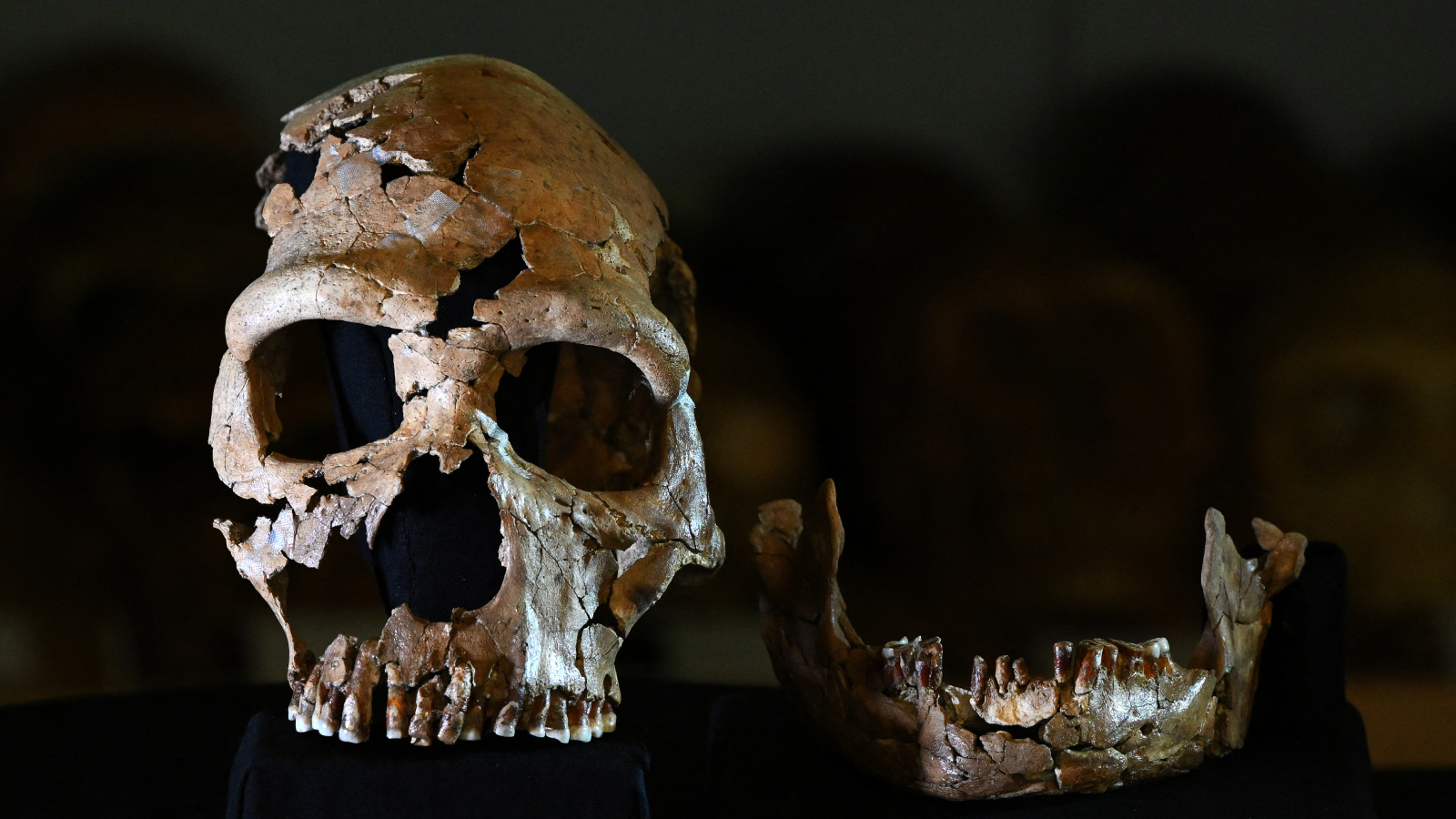
A recent study comparing the skull shapes of modern humans with and without Chiari malformation type 1 has revealed intriguing similarities between individuals with the disorder and Neanderthals. The research, which analyzed CT scans of 103 living individuals and eight fossil skulls, including those of Neanderthals, Homo heidelbergensis, Homo erectus, and prehistoric Homo sapiens, found that the skulls of modern humans with Chiari malformation type 1 more closely resembled those of Neanderthals.
The study, led by osteologist Kimberly plomp of the University of the Philippines Diliman, suggests a potential avenue for understanding the causes of chiari malformation type 1. “Our study may mean we are one step closer to obtaining a clear understanding of the causal chain that gives rise to Chiari malformation type 1,” stated co-author Collard. He emphasized the importance of clarifying causal chains in medicine for better management and potential resolution of medical conditions.
However,Collard cautioned that these findings do not definitively establish a link between the disorder and neanderthal genes,as scientific conclusions are rarely based on a single study. Future research plans include analyzing a larger number of skulls, particularly fossil specimens, and focusing on data from Africa. This focus is informed by the current understanding of Neanderthal DNA prevalence in the global gene pool, which suggests a higher likelihood of Chiari malformation type 1 in populations of European and Asian descent compared to African populations.
Should further research confirm a connection between Neanderthal genes and this condition, it could lead to the integration of genetic screening for these genes into early childhood health assessments. This would allow for the identification of individuals at higher risk, enabling proactive monitoring and management by healthcare professionals. The findings were published on June 27 in the journal Evolution, Medicine, and Public Health.
