
Musicians Gain Pay Boost in Landmark Industry Deal
Songwriters and session players secure better rates amid streaming reform efforts
A significant agreement between the UK music industry and the government promises improved pay for songwriters and session musicians. This landmark deal introduces daily payments and expense coverage for songwriters, a crucial step for an industry where many previously worked unpaid.
New Daily Rates for Songwriters
For the first time, songwriters will receive a daily rate of £75, plus travel and food expenses, whenever they participate in recording sessions or songwriting camps. Previously, these professionals often bore their own costs, only receiving payment upon a song’s release. This change was notably championed by artist Raye, who publicly criticized the expectation for songwriters to “work for free.”
Session Musicians See Up to 40% Pay Increase
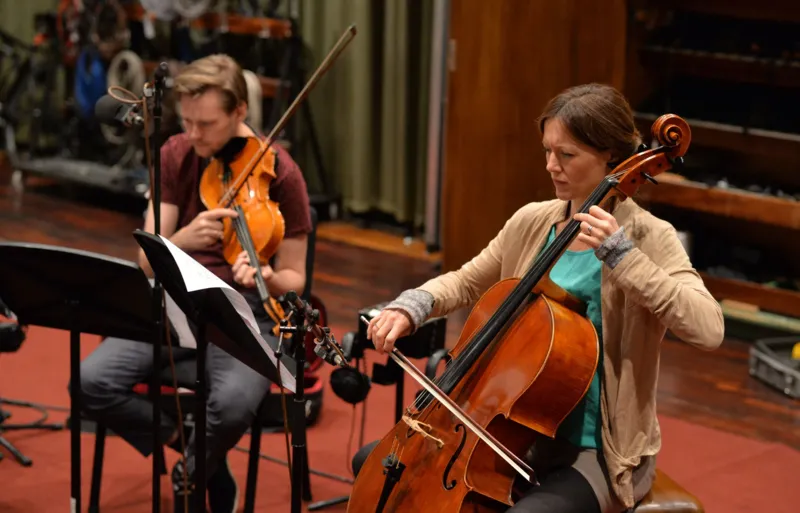
The new agreement also stipulates a pay increase of up to 40% for session musicians attending recording sessions. Standard fees for pop musicians will rise from £130 to £182, while orchestral musicians will see a 15% increase, bringing a principal violinist’s fee to £106.90.
Addressing the Streaming Economy Shortfall
These reforms stem from the Creator Remuneration Working Group (CRWG), established in 2024 to tackle income disparities faced by musicians in the streaming era. Creative industries minister Sir Chris Bryant expressed his frustration with artists earning “paltry amounts of money” for widely enjoyed music, stating, “I can’t transform the worldwide streaming situation, but what I can do is make sure that we in the UK have the best deal for artists possible.”
Renewed Contracts and Debt Relief for Older Artists
The framework, agreed upon by major record labels, the Musicians Union, and The Ivors Academy, also permits musicians who signed contracts before 2000 to renegotiate terms for higher pay. Additionally, their outstanding debts to record labels will be waived, with support provided to integrate “missing” songs onto streaming platforms. These measures are projected to inject tens of millions of pounds into the music economy by 2030.
Concerns Remain Over Streaming Economics
Despite these advancements, the Musicians Union and the Council of Music Makers voiced disappointment that the package does not fully address the “fundamental problems with music streaming economics.” They continue to advocate for a minimum royalty rate for all artists and legislative changes allowing artists to reclaim song rights after a defined period.
The financial reality for many songwriters remains stark. A 2024 report indicated that only 10% of working songwriters earned over $30,000 annually, with over half making less than $1,000, largely due to insufficient streaming revenue. Artist Björn Ulvaeus of ABBA has been a vocal critic, calling the existing payment system “dysfunctional at best” and accusing the industry of “cheating songwriters.”
A “Small Step in a Marathon”
“It’s been a pretty dire existence up to this point,” commented Ines Dunn, a songwriter for artists like Mimi Webb and Holly Humberstone. “To even attend a session, you have to pay for your trains, you have to pay for your lunches. So everyone, before they even reach the studio, is already out of pocket.” Dunn views the new payments as “a small step in a marathon,” crucial for enabling musicians to simply “show up and do their job.” She hopes for a future where being a songwriter is financially sustainable on its own.
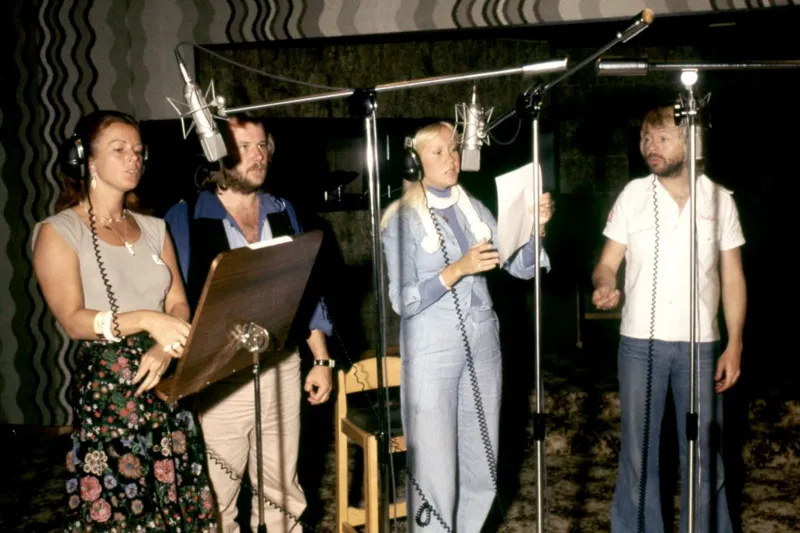
Simon Barber, an associate professor of songwriting, highlighted the “huge power imbalance” addressed by the new deal. He noted that covering basic expenses like travel and meals is a “very basic requirement that you would expect most industries to participate in.” Barber believes this change will encourage more songwriters from diverse backgrounds, who may not have the financial means to work for free, to engage in the industry.
Warner Music and Universal Music have committed to implementing the per diem payments, funded by the labels rather than the artists. Sony Music is contributing to a £100,000 fund managed by The Ivors Academy to cover these costs and offer broader support to writers.
Further Review and Potential Legislation
These changes follow parliamentary calls for a “complete reset” of the streaming market to ensure fairer artist remuneration. Sir Chris indicated that the new framework will be reviewed in 12 months, with the possibility of legislative action if improvements are not realized. The CRWG will also examine streaming pay for session musicians in September, as they currently lack royalties for digital streams unlike radio and TV plays.
