
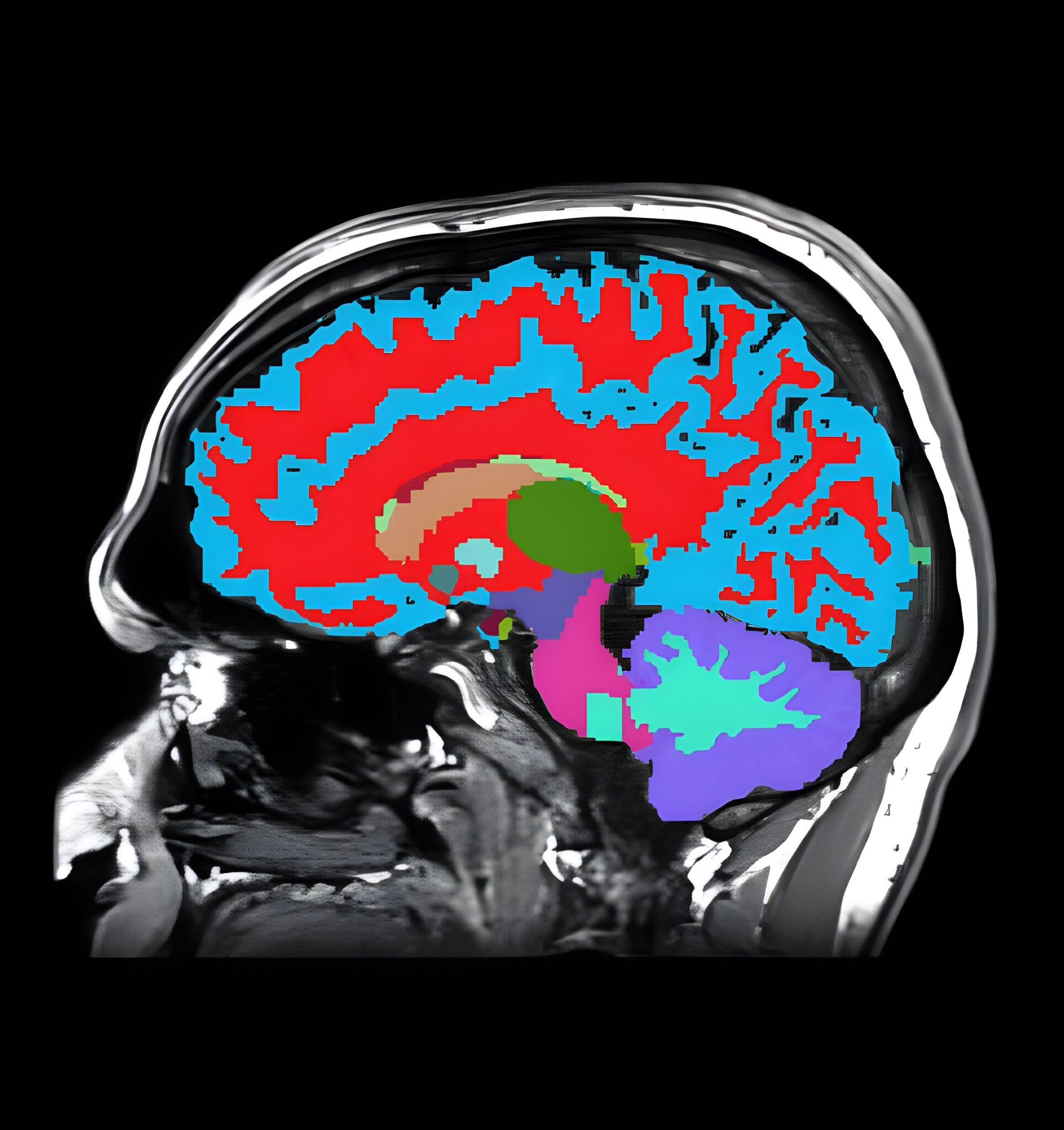
Brain Scan May Reveal Your Body’s Aging Rate
New tool predicts risk for chronic diseases like dementia.
Is it possible to measure how fast you’re aging? Scientists have developed a tool using a single MRI brain scan to estimate the pace of aging, even before major health issues arise. This early warning system could allow for timely interventions.
Aging Clues Hidden in Brain Scans
The innovative tool, named DunedinPACE Neuroimaging (DunedinPACNI), analyzes standard MRI brain scans. It provides doctors and researchers with insights into an individual’s aging speed, plus potential risks for chronic diseases, much earlier than typical symptom onset. According to the CDC, older adults are at increased risk of chronic diseases such as heart disease, stroke, cancer, type 2 diabetes, obesity, and arthritis.
“The way we age as we get older is quite distinct from how many times we’ve traveled around the sun,”
said Ahmad Hariri, professor of psychology and neuroscience at Duke University.
Traditional Aging Clocks Fall Short
Existing aging clocks often rely on blood tests or genetic markers, which Hariri notes can be misleading due to generational exposure differences, such as leaded gasoline or cigarette smoke. “We need to figure out how we can monitor aging in an accurate way.”
The new model uses data from the Dunedin Study, which has tracked over 1,000 individuals born in Dunedin, New Zealand, between 1972 and 1973, for over 50 years.
Brain Scans as Predictors of Aging
Researchers tracked participants’ physical and mental health, measuring blood pressure, cholesterol, glucose, body mass index, kidney and lung function, and even gum health. Analyzing changes in these markers allowed the team to create a personalized aging rate for each participant.
DunedinPACNI was trained to predict this aging rate based on brain scans taken when participants were 45. After training, the model was tested on datasets from the U.S., U.K., Canada, and Latin America.
Brain’s Role in Aging
The tool’s results showed that faster-aging individuals performed worse on cognitive tests, experienced faster shrinkage of the hippocampus, and faced a higher risk of cognitive decline. Those aging fastest had a 60% higher chance of developing dementia and showed symptoms earlier.
“Our jaws just dropped to the floor,”
Hariri said, recalling the team’s initial reaction to the results.
Brain Aging Linked to Physical Decline
The tool also revealed a connection between brain aging and overall physical decline. High aging scores correlated with a higher likelihood of heart disease, lung issues, strokes, and other chronic illnesses. These individuals were 18% more likely to be diagnosed with a major disease and 40% more likely to die in the next few years.
“The link between aging of the brain and body are pretty compelling,”
Hariri stated.
The model proved effective across diverse racial and socioeconomic groups. “It seems to be capturing something that is reflected in all brains,”
Hariri explained.
Addressing the Challenges of an Aging Population
The global population aged 65 and over is projected to double by 2050, leading to increased cases of diseases like Alzheimer’s. Current Alzheimer’s drugs primarily manage symptoms rather than stopping or reversing the disease, often because they are administered too late.
“Drugs can’t resurrect a dying brain,”
Hariri cautioned.
DunedinPACNI could change this by identifying high-risk individuals earlier, enabling timely interventions.
Identifying Causes of Accelerated Aging
In addition to tracking dementia risk, the tool could illuminate why factors such as poor sleep or mental health problems accelerate aging.
“We really think of it as hopefully being a key new tool in forecasting and predicting risk for diseases, especially Alzheimer’s and related dementias, and also perhaps gaining a better foothold on progression of disease,”
said Hariri.
Ethan Whitman, a Ph.D. student in clinical psychology at Duke and the study’s first author, noted, “More research is needed to advance DunedinPACNI from a research tool to something that has practical applications in healthcare.”
Researchers hope others will utilize the tool in studies with existing brain scan data to further understand and potentially slow the aging process.
The complete study is available in Nature Aging.
