
Bacteria Convert Plastic Waste into Painkillers
Revolutionary Method Promises Sustainable Drug Production
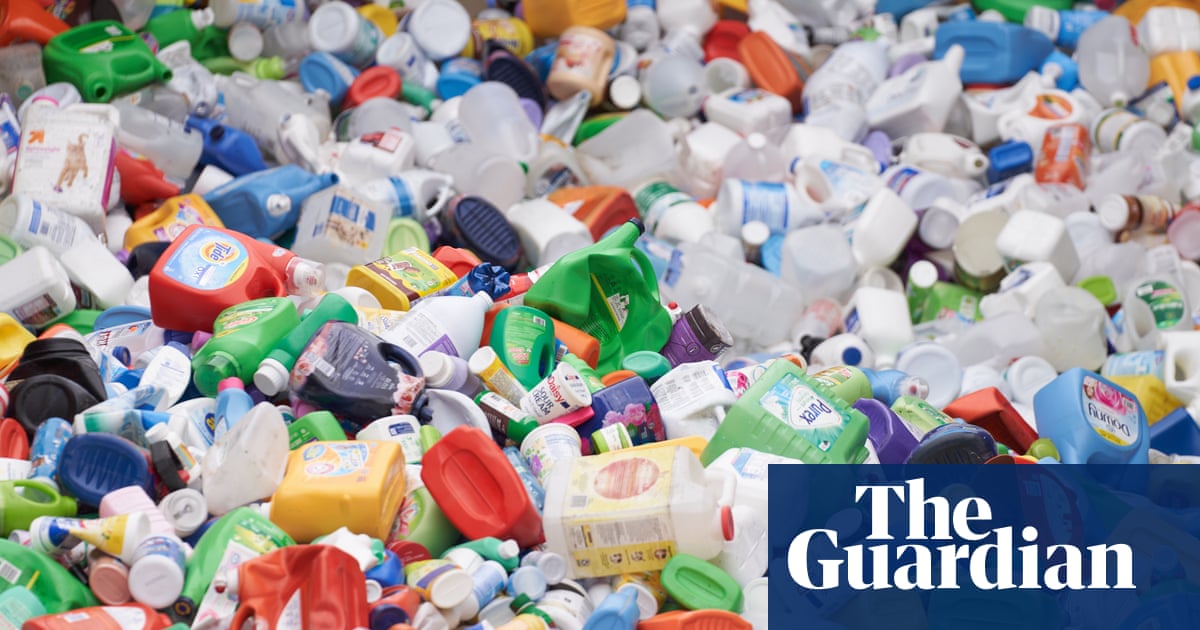
Scientists have found a way to transform plastic waste into paracetamol, a common painkiller, using bacteria. This groundbreaking technique could revolutionize drug manufacturing, offering a more environmentally friendly and sustainable process.
Process Explained
Researchers discovered that *E. coli* bacteria can convert a material created from plastic bottles into paracetamol, also known as acetaminophen. This new method merges chemistry and biology, which could help clean up plastic waste while producing essential medicines.
The team began by transforming polyethylene terephthalate (PET), found in bottles, into a new substance utilizing sustainable chemical methods. When this material interacted with a benign strain of *E. coli*, it was converted into Paba.
…original tweet embed code…
The scientists further modified the *E. coli*, introducing genes from mushrooms and soil bacteria. This enabled the bacteria to transform Paba into paracetamol.
“It enables, for the first time, a pathway from plastic waste to paracetamol, which is not possible using biology alone, and it’s not possible using chemistry alone,”
—Prof. Stephen Wallace, Lead Researcher
Currently, the world produces over 400 million metric tons of plastic annually, with only a fraction being recycled (UNEP 2023).
Detailed Research
The team’s work, published in *Nature Chemistry*, detailed how a previously unseen chemical reaction, called a Lossen rearrangement, proved biocompatible. This reaction occurred spontaneously within the bacteria, catalyzed by phosphate within the cells.
The researchers also found that the modified *E. coli* could turn the PET-based starting material into paracetamol in under 24 hours, with a yield of up to 92% and low emissions.
While commercial production requires further development, these findings represent a significant step toward sustainable drug manufacturing and waste reduction, potentially cleaning up plastic waste while providing essential medication.
