
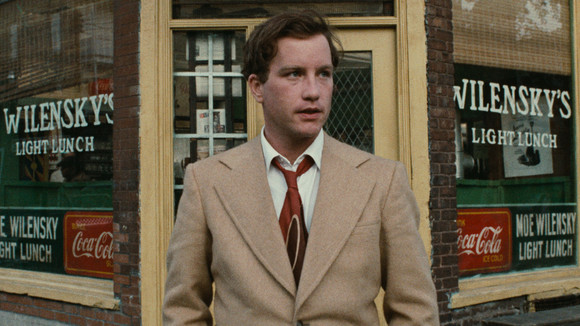
Ted Kotcheff, Director of ‘Rambo: First Blood,’ Passes Away at 93
Ted Kotcheff, the acclaimed director best known for helming “Rambo: First Blood,” has died at the age of 93. The Canadian director, whose career spanned decades and genres, leaves behind a diverse body of work that includes influential films like “Wake in Fright” and impactful television productions. Kotcheff’s passing marks the end of an era for a filmmaker who consistently challenged audiences and pushed boundaries.
Early Life and Career Beginnings
Born William Theodore Kotcheff in Toronto in 1931 to Bulgarian immigrant parents, his early life was marked by the challenges of growing up in a working-class neighborhood during the Depression era. He described experiencing anti-Semitism and xenophobia, shaping his worldview and influencing his later work.Kotcheff’s entry into the entertainment industry began at the Canadian Broadcasting Corporation (CBC) in 1951, where he worked his way up from stagehand to director.
Did you Know? Kotcheff’s parents met at a exhibition in Canada, where his father protected his mother from police officers.
Facing limited opportunities in Canada’s nascent film industry, Kotcheff, like many of his contemporaries, sought opportunities abroad. Unlike some who went to Hollywood, Kotcheff’s early attempts to enter the United States were thwarted due to a brief membership in a left-wing book club as a teenager. This led him to Great Britain in 1957, where he found success in television and film.
Triumph in Television and Transition to Cinema
In Britain, Kotcheff collaborated with writer mordecai Richler, directing episodes of the “Armchair Theater” series. His television work culminated in the 1971 film “Edna the Inebriate Woman,” a powerful drama about homelessness that sparked national debate, similar to Ken Loach’s “Cathy Come Home.” He made his cinema debut with “Tiara Tahiti” in 1962,followed by “Life at the Top” in 1965,a sequel to “Room at the Top.”
Australian New Wave and “Wake in Fright”
A pivotal moment in Kotcheff’s career came with the 1971 Australian film “Wake in Fright.” Based on a novel, the film is a disturbing exploration of masculinity and societal breakdown in the Australian Outback. It premiered at the Cannes Film Festival and is now considered a seminal work of the Australian New Wave, influencing directors like Peter Weir and Fred Schepisi. the film’s graphic depiction of kangaroo hunting,using actual documentary footage,sparked controversy and raised awareness of animal rights issues.
Pro Tip: “Wake in Fright” was lost for many years before being rediscovered and restored, highlighting the importance of film preservation.
Hollywood Success and “Rambo: First blood”
Kotcheff’s Hollywood career included a mix of comedies and dramas, including “Fun with Dick and Jane” (1977) and “North Dallas Forty” (1979). However, it was “Rambo: First blood” (1982) that cemented his place in popular culture.Unlike the sequels that followed, “First Blood” presented a more nuanced portrayal of a Vietnam veteran struggling with PTSD and societal rejection.The film’s ending, with Rambo breaking down in tears, is a far cry from the action-hero persona that would later define the character.
| Film | Year | Genre |
|---|---|---|
| Wake in Fright | 1971 | Thriller |
| The apprenticeship of Duddy Kravitz | 1974 | Drama |
| Rambo: First Blood | 1982 | Action |
| North Dallas Forty | 1979 | Sports Drama |
Later Career and Legacy
In later years, Kotcheff returned to television, serving as an executive producer on “Law & Order: Special victims Unit” for twelve years. He directed his last short film, “Fearless,” in 2014, produced and written by his daughter Alexandra, with music by his son Thomas. Kotcheff often emphasized the impact of his films, noting that “Edna the Inebriate Woman” led to changes in homelessness laws and that “Wake in Fright” aided animal rights activists.
Kotcheff’s films frequently explored the theme of men grappling with their identities, as seen in “Rambo: First Blood” and “North Dallas Forty.” His diverse filmography and his commitment to tackling social issues solidify his place in film history.
Evergreen Insights
Ted Kotcheff’s career reflects the changing landscape of the film industry in the late 20th century. His early experiences in Canadian television, his success in British cinema, and his eventual move to Hollywood mirror the paths of many international filmmakers. His willingness to tackle controversial subjects and his focus on complex characters set him apart as a director with a distinct vision.
The rediscovery and restoration of “Wake in fright” in the 21st century highlights the importance of film preservation and the enduring power of cinema to shock and provoke.The film’s themes of alienation and societal breakdown remain relevant today.
Frequently Asked Questions
- What inspired Ted Kotcheff to become a director?
- Kotcheff’s early life experiences, including growing up in a working-class neighborhood and witnessing social injustices, fueled his desire to tell stories that would challenge audiences and spark dialog.
- How did Ted Kotcheff’s background influence his filmmaking?
- His bulgarian heritage and his experiences with anti-Semitism and xenophobia informed his perspective on social issues and his portrayal of marginalized characters.
- What are some of the recurring themes in Ted Kotcheff’s films?
- Kotcheff often explored themes of male identity, societal breakdown, and the impact of social issues on individuals. He was also interested in family dynamics and the search for belonging.
- What made “Wake in Fright” such a groundbreaking film?
- “Wake in Fright” was groundbreaking for its unflinching portrayal of violence, alcoholism, and societal decay in the Australian Outback. Its use of documentary footage and its exploration of complex characters challenged audiences and paved the way for other Australian filmmakers.
- How did “Rambo: first Blood” differ from its sequels?
- “Rambo: First Blood” presented a more nuanced and sympathetic portrayal of a vietnam veteran struggling with PTSD and societal rejection. The sequels transformed Rambo into a superhuman action hero, losing the original film’s emotional depth.
What is your favorite Ted Kotcheff film, and why? How do you think his work has influenced contemporary cinema?
Share your thoughts in the comments below!
