
Saudi Arabia Hails Successful Hajj Season 1446 AH,Thanks Participants
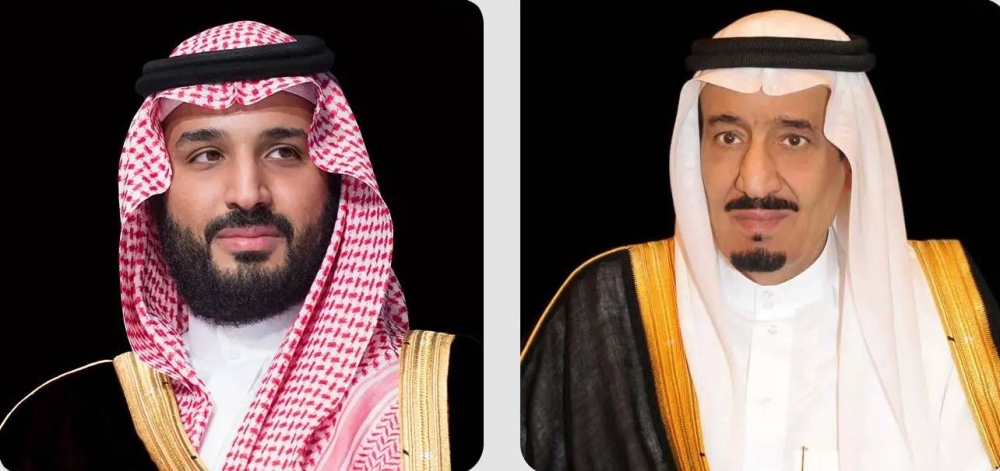
riyadh, Saudi Arabia – King Salman bin Abdulaziz Al Saud and Crown Prince Mohammed bin Salman have conveyed their appreciation for the successful completion of the Hajj season 1446 AH. The leaders extended their gratitude to Prince Abdulaziz bin Saud bin Nayef bin Abdulaziz,the Minister of interior and Chairman of the Supreme Hajj Committee,along with all individuals and agencies involved in ensuring the safety and well-being of the pilgrims.
The annual Hajj pilgrimage, a central pillar of Islam, draws millions of Muslims from around the globe to Mecca. This year’s Hajj saw 1,673,230 pilgrims participate, navigating the sacred rituals with ease and security, according to official statements.
Royal Acknowledgments of Hajj Success
King Salman, in his telegram, praised the “distinguished efforts” and “integrated” security, preventive, organizational, and service plans that enabled the pilgrims to perform their rituals in an atmosphere of “spirituality, tranquility, security, and faith.” He specifically acknowledged the dedication and mastery displayed by all sectors involved in serving the guests of God.
Crown Prince Mohammed bin salman echoed these sentiments, highlighting the patronage and directives of King Salman and the thorough follow-up by concerned authorities to ensure the comfort of the pilgrims. He also prayed for the continued security and safety of the Kingdom and the acceptance of the pilgrims’ Hajj.
Did You Know? The Hajj is one of the five pillars of Islam, and every able-bodied Muslim who can afford it is indeed obligated to perform it at least once in their lifetime.
Key Factors Contributing to a Smooth hajj
The success of this year’s Hajj can be attributed to several factors, including meticulous planning, advanced security measures, and the deployment of cutting-edge technologies. Saudi Arabia has invested heavily in infrastructure and logistics to accommodate the massive influx of pilgrims and ensure their safety and comfort. According to a report by the Saudi Ministry of Hajj and Umrah, over 200,000 personnel were deployed to manage the pilgrimage this year.
The Kingdom’s Vision 2030 plan aims to further enhance the hajj experience by leveraging technology and innovation. This includes the use of artificial intelligence, data analytics, and smart city solutions to improve crowd management, transportation, and communication.
Pro Tip: Pilgrims are encouraged to utilize official Hajj apps and resources to stay informed about important updates, safety guidelines, and logistical information.
Hajj Season 1446 AH: By the Numbers
| Metric | Value |
|---|---|
| total Pilgrims | 1,673,230 |
| Personnel Deployed | 200,000+ |
| Key Focus Areas | Security, Health, Organization, Service |
Looking Ahead: Continuous betterment for Future Pilgrimages
Saudi Arabia remains committed to continuously improving the Hajj experience for pilgrims from around the world.By investing in infrastructure,technology,and training,the Kingdom aims to ensure that the Hajj remains a safe,comfortable,and spiritually enriching experience for all who undertake the pilgrimage. The Saudi government has allocated billions of dollars to expand the Grand Mosque in Mecca and improve transportation networks, according to a 2023 report by the Saudi Press Agency (SPA).
The success of the Hajj season 1446 AH underscores Saudi Arabia’s commitment to serving the guests of God and upholding its role as the custodian of the Two holy Mosques.The Kingdom’s leadership and dedicated personnel have once again demonstrated their ability to manage one of the world’s largest and most complex religious gatherings.
What aspects of the Hajj pilgrimage do you find most compelling? How can technology further enhance the Hajj experience in the future?
Evergreen Insights: the Enduring Significance of Hajj
The Hajj pilgrimage is more than just a religious obligation; it is a profound spiritual journey that unites Muslims from all walks of life. The rituals of Hajj, which date back to the time of Prophet Ibrahim (Abraham), symbolize submission to God and the pursuit of spiritual purification. The Hajj also serves as a powerful reminder of the unity and equality of all Muslims,nonetheless of their nationality,ethnicity,or social status.
Historically, the Hajj has played a significant role in fostering cultural exchange and promoting understanding among Muslims from different parts of the world. Pilgrims often share their experiences, traditions, and perspectives, contributing to a richer and more diverse understanding of Islam.The Hajj also serves as a catalyst for economic development, as it generates significant revenue for the host country and supports various industries, including tourism, transportation, and hospitality.
In recent years, ther has been a growing emphasis on sustainable Hajj practices, with initiatives aimed at reducing the environmental impact of the pilgrimage. These initiatives include promoting the use of eco-pleasant transportation, reducing waste generation, and conserving water resources. The goal is to ensure that the Hajj remains a sustainable and environmentally responsible practice for generations to come.
Frequently Asked Questions About Hajj
- what is the significance of the Kaaba in the Hajj pilgrimage?
- The Kaaba is the holiest site in Islam and serves as the focal point for Muslim prayers worldwide. During Hajj, pilgrims circumambulate the Kaaba as an act of devotion and submission to God.
- What are the main rituals of Hajj?
- The main rituals of Hajj include circumambulating the Kaaba (Tawaf), walking between the hills of Safa and Marwa (Sa’i), standing on the plains of Arafat, and stoning the pillars representing Satan (Rami).
- How long does the Hajj pilgrimage typically last?
- The Hajj pilgrimage typically lasts for five to six days, from the 8th to the 12th day of dhu al-Hijjah, the twelfth month of the Islamic calendar.
- What are some of the challenges faced by pilgrims during Hajj?
- Some of the challenges faced by pilgrims during hajj include overcrowding, extreme heat, language barriers, and logistical difficulties.
- How can pilgrims prepare for the hajj pilgrimage?
- Pilgrims can prepare for the Hajj pilgrimage by learning about the rituals, obtaining necessary vaccinations and visas, packing appropriate clothing and supplies, and preparing themselves physically and mentally for the demanding journey.
Share this article and join the conversation! What are your thoughts on the successful Hajj season? Subscribe to our newsletter for more updates on global events.
