
Anti-ICE Protests in NYC Lead to Clashes and Mass Arrests
Table of Contents
- Anti-ICE Protests in NYC Lead to Clashes and Mass Arrests
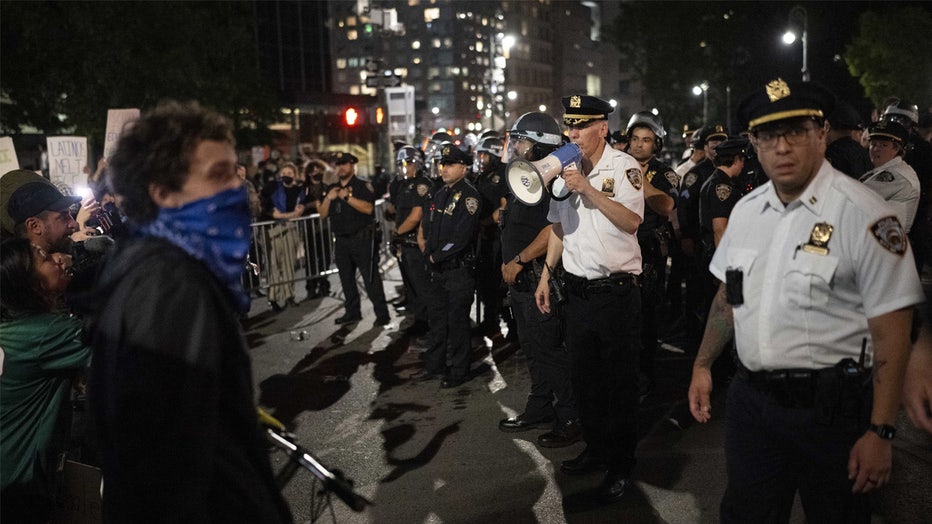
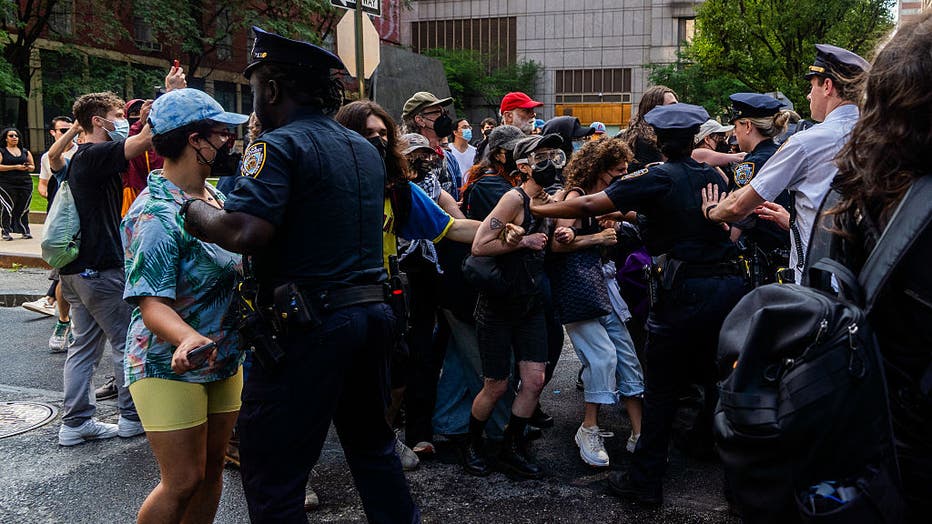
NEW YORK – Demonstrations against Immigration and Customs Enforcement (ICE) in New York City escalated Tuesday night, resulting in clashes between protesters and the New York Police Department (NYPD), leading to over 80 arrests. The confrontations occurred near Federal Plaza, where federal immigration offices and the city’s main immigration court are located.
Details of the NYC Protests
The demonstrations, which began in Foley Square, saw protesters carrying signs, flags, and wearing face coverings. According to reports, some demonstrators were taken into custody with zip ties, while others were wrestled to the ground and pepper-sprayed by officers equipped in riot gear. The arrests followed breaches of metal barriers erected by the NYPD to contain the protesters and prevent them from entering traffic areas.
Did You Know? The U.S. Immigration and Customs Enforcement (ICE) was established in 2003 as part of the Homeland Security Act, following the september 11 attacks.
The protests were triggered by recent detentions of migrants attending court hearings this month, sparking outrage and drawing activists to the area.initial demonstrations began the previous Saturday.
mayor Adams on Potential National Guard deployment
New York City Mayor Eric Adams stated that he does not anticipate needing president Trump to deploy the National Guard to manage the ongoing demonstrations. Adams emphasized the NYPD’s extensive manpower and capabilities, asserting that the city has sufficient resources to handle the situation without military intervention. he noted that other options are available before considering a military response.
Pro Tip: Stay informed about your rights during a protest. Organizations like the
According to the New York Post, President Trump assured Deputy Mayor of Public Safety Kaz Daughtry and NYPD Chief of Department John Chell that he would refrain from deploying the National Guard, provided the NYPD maintains control over the demonstrators.
Mayor Adams and NYPD Commissioner Jessica Tisch have both issued warnings that violence related to the protests will not be tolerated. Tisch stated on Good Day New York that the NYPD is committed to upholding the right to peaceful protest but will swiftly intervene to make arrests when laws are broken.
Regarding the potential deployment of the National Guard, Tisch affirmed that the NYPD is responsible for maintaining safety and order in New York City and will not relinquish that responsibility. She added that the department has contingency plans to deploy officers from across the city if the situation escalates, emphasizing that the NYPD’s 34,000 uniformed members are prepared for any challenges.
Developments in Los Angeles and Trump’s response
In Los Angeles,Mayor Karen Bass implemented an overnight curfew in response to looting at nearly two dozen businesses during anti-ICE demonstrations.
Trump defended the use of the National Guard in los Angeles and suggested the possibility of invoking the Insurrection Act, a federal law that allows the president to deploy military forces domestically. The Insurrection Act, enacted through a series of laws between 1792 and 1871, has been used sparingly due to its broad scope.
Key Figures and Statements
| Figure | Statement |
|---|---|
| Mayor Eric Adams | “I don’t foresee president Donald Trump having to send in the National Guard to the city, saying any continued demonstrations can be solely handled by the NYPD.” |
| Commissioner Jessica Tisch | “We want to maintain everyone’s right to protest peacefully in the city and in this country, but we will not tolerate chaos and disorder or violence.” |
| President Donald Trump | Assured Deputy Mayor Kaz Daughtry and NYPD Chief John Chell that he will not send the National Guard, provided the police keep demonstrators from acting out. |
Unanswered Questions
As of now,the specific charges against those arrested during the protests remain unclear.
Evergreen Insights on Immigration Enforcement
The debate over immigration enforcement in the United States has deep past roots, dating back to the late 19th century with the first federal immigration laws. Over time, the focus and intensity of enforcement efforts have varied based on economic conditions, political priorities, and national security concerns.
ICE, as the primary agency responsible for enforcing immigration laws within the U.S., has faced increasing scrutiny in recent years. Critics argue that its policies,including detention practices and deportation efforts,disproportionately affect certain communities and raise human rights concerns. Supporters maintain that ICE’s actions are necessary to maintain border security and uphold the rule of law.
The use of federal resources, including the potential deployment of the national Guard, in response to protests highlights the ongoing tensions between the right to peaceful assembly and the government’s responsibility to maintain order. These events ofen spark broader conversations about immigration policy, law enforcement tactics, and the balance between security and civil liberties.
Frequently Asked Questions About ICE Protests
What are the main concerns of anti-ICE protesters?
Anti-ICE protesters typically express concerns about the agency’s enforcement practices, including the detention and deportation of undocumented immigrants, family separations, and the overall impact on communities.
How do local law enforcement agencies interact with ICE?
The relationship between local law enforcement and ICE varies depending on jurisdiction. Some cities and states have policies that limit cooperation with ICE, while others work closely with the agency to enforce immigration laws.
What legal rights do protesters have during demonstrations?
Protesters have the right to assemble peacefully, express their views, and distribute details. However, these rights are subject to reasonable restrictions, such as time, place, and manner regulations, and protesters can be arrested for unlawful conduct, such as violence or property damage.
How does the Insurrection Act relate to domestic protests?
The Insurrection Act allows the president to deploy military forces domestically in certain circumstances, such as to suppress insurrections or enforce federal laws. Its use is controversial and typically reserved for extreme situations.
What are the potential consequences of being arrested during a protest?
The consequences of being arrested during a protest can vary depending on the charges, ranging from fines and community service to jail time. an arrest can also have implications for immigration status, employment, and other aspects of life.
What are your thoughts on the role of protests in shaping immigration policy? Do you believe the NYPD’s response was appropriate? Share your opinions in the comments below and subscribe for more updates.
