
“`html
EU Unveils 18th Sanctions Package Targeting Russia’s energy Revenue
Russia, aiming to cripple Moscow's oil and gas income amid ongoing conflict in Ukraine."/>
Brussels – The European Union has escalated its economic pressure on Russia with the declaration of an 18th sanctions package, directly targeting the Kremlin’s revenue streams from oil and gas production. This move comes as Moscow’s military actions in Ukraine continue, despite diplomatic efforts for de-escalation.
The new measures, proposed Tuesday, include lowering the price cap on Russian oil exports from $60 to $45 per barrel and imposing a full transaction ban on Russian banks and financial institutions operating in third countries that facilitate sanctions evasion. The EU also aims to block the use of Russian energy infrastructure, preventing EU operators from engaging in transactions involving the Nord Stream pipelines.
key Elements of the New Sanctions Package
The EU’s latest sanctions package focuses on several key areas to maximize its impact on the Russian economy:
- Oil Price Cap Reduction: Lowering the price cap on Russian oil exports to $45 per barrel.
- Financial Restrictions: Imposing a full transaction ban on Russian banks and financial institutions in third countries aiding sanctions circumvention.
- Energy Infrastructure Ban: Prohibiting EU operators from engaging in transactions involving the Nord Stream pipelines.
- Technology Export Controls: Broadening the ban on materials and technologies that could modernize Russian weaponry.
These measures are designed to constrict Russia’s financial capacity to wage war and limit its access to resources that could enhance its military capabilities. According to the European Commission, oil exports still account for approximately one-third of the Russian government’s revenues, making it a critical target for sanctions.
Did You Know? The EU and G7 countries first introduced the oil price cap in december 2022 to limit Russia’s revenue while ensuring global energy market stability.
EU’s Stance: “Strength is the Only Language Russia Will Understand”
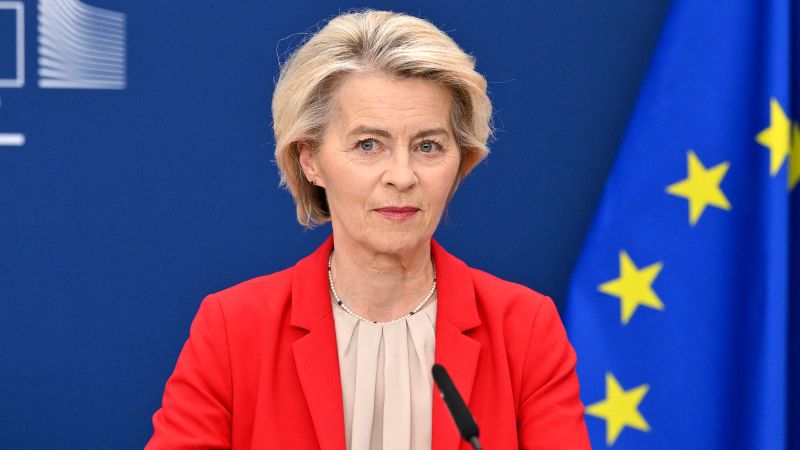
European Commission President Ursula von der Leyen emphasized the necessity of the sanctions,stating that “strength is the only language that Russia will understand.” She highlighted Russia’s continued aggression in Ukraine, despite diplomatic efforts and ceasefire offers, as the driving force behind the increased pressure.
“We want peace for Ukraine,” von der Leyen stated at a press conference in Brussels. “Despite weeks of diplomatic attempts, despite President Zelensky’s offer of an unconditional ceasefire, Russia continues to bring death and destruction to Ukraine… Therefore, we are ramping up pressure on Russia.”
The proposed sanctions package requires unanimous approval from all 27 EU member states. While some countries, like Hungary and Slovakia, have previously expressed concerns about sanctions targeting Russia, they have ultimately voted in favor of them.
Ukraine’s Viewpoint: Sanctions as an “Critically important Step”
Ukrainian President Volodymyr Zelensky has voiced support for the EU’s sanctions package, calling it “an important step.” However, he also criticized the lack of similar measures from the United States, emphasizing that Russia’s ability to wage war is directly linked to its ability to sell oil and bypass financial barriers.
“Russia has been constantly increasing the number of munitions in its strikes,” Zelensky said Tuesday night. “This is a steady trend, and it means that moscow is not afraid of anyone in the world… Putin wants to continue killing and is taking advantage of the fact that he is not getting a strong response. He does not hear Washington. And this speaks volumes to the world, to everyone.”
Zelensky’s remarks underscore the urgency of coordinated international action to effectively counter Russia’s aggression and limit its capacity to sustain the conflict in Ukraine.
impact on Global Oil markets
The EU’s oil price cap, introduced in December 2022, aims to reduce Russia’s revenue while preventing a global energy crisis. By restricting Western companies from providing services for oil exports priced above the threshold, the EU seeks to balance economic pressure on Russia with the need to maintain stable energy supplies.
Since the implementation of the price cap, the price of Brent crude, the global oil benchmark, has decreased by 18%. As of Tuesday morning, it was trading at approximately $68 a barrel. This decline reflects the impact of the price cap and broader market dynamics, including increased production from other sources and concerns about global economic growth.
According to the U.S. energy Details Administration (EIA), global oil production is projected to increase by 1.0 million barrels per day in 2024,driven by growth in non-OPEC countries [1]. This increased supply could further mitigate the impact of sanctions on global oil prices.
Strengthening Financial Sanctions
in addition to targeting the energy sector, the EU is also strengthening its financial sanctions against Russia. This includes expanding the list of sanctioned Russian banks and preventing EU operators from conducting transactions with these institutions. The EU also plans to extend the transaction ban to financial institutions in third countries that help Russia circumvent existing sanctions.
Shortly after the invasion of Ukraine, the United States, EU, Britain, and Canada jointly banned some Russian banks from the SWIFT messaging service, a high-security network connecting thousands of financial institutions worldwide. This measure has substantially hindered the ability of these banks to send and receive money from abroad.
The EU’s latest measures aim to further isolate Russia from the global financial system and prevent it from accessing resources needed to support its war efforts. These actions are intended to increase the economic pressure on Moscow and compel it to de-escalate the conflict in Ukraine.
Pro Tip: Monitoring the effectiveness of sanctions requires tracking trade flows, financial transactions, and technological transfers to identify and address potential loopholes.
expanding Export Controls
The EU is also broadening its ban on materials and technologies that can be exported to Russia, aiming to prevent Moscow from modernizing its weapons with European technologies. This includes new measures against 22 Russian and foreign companies providing direct or indirect support to Russia’s military and industrial complex.
These export controls are designed to limit Russia’s access to critical components and technologies needed to produce advanced weaponry and maintain its military capabilities. By cutting off these supply chains, the EU hopes to weaken Russia’s military capacity and reduce its ability to sustain the conflict in Ukraine.
The effectiveness of export controls depends on strict enforcement and international cooperation to prevent circumvention.The EU is working with its allies to ensure that these measures are fully implemented and that any attempts to evade them are swiftly addressed.
| Sanction Type | Description | Objective |
|---|---|---|
| Oil Price cap | Limits the price of Russian oil exports to $45 per barrel. | Reduce Russia’s oil revenue while maintaining global energy market stability. |
| Financial Restrictions | Bans transactions with sanctioned Russian banks and financial institutions. | Isolate Russia from the global financial system. |
| Energy Infrastructure Ban | Prohibits EU operators from engaging in transactions involving Nord Stream pipelines. | Prevent russia from profiting from energy infrastructure. |
| Export Controls | Restricts the export of materials and technologies that can modernize Russian weaponry. | Weaken Russia’s military capacity. |
What impact do you think these sanctions will have on the Russian economy?
How can international cooperation be strengthened to ensure the effectiveness of sanctions against Russia?
Evergreen Insights: Background,Context,and Historical Trends
The use of economic sanctions as a tool of foreign policy has a long history,dating back to ancient times. In the modern era, sanctions have become increasingly elegant and targeted, aiming to influence the behavior of states and non-state actors without resorting to military force. The effectiveness of sanctions, though, remains a subject of debate among policymakers and scholars.
The current sanctions regime against Russia is one of the most comprehensive and coordinated in history, involving a wide range of countries and international organizations. These sanctions have had a significant impact on the Russian economy, leading to reduced economic growth, increased inflation, and decreased foreign investment. However, Russia has also demonstrated resilience in the face of sanctions, adapting its economic policies and seeking choice sources of trade and investment.
The long-term effects of sanctions on Russia will depend on a variety of factors, including the duration and intensity of the sanctions, the degree of international cooperation, and Russia’s ability to adapt and innovate.While sanctions are unlikely to resolve the conflict in Ukraine on their own, they can play a crucial role in increasing the pressure on Russia and creating incentives for de-escalation and negotiation.
Frequently Asked Questions About EU Sanctions on Russia
- Why is the EU imposing more sanctions on russia?
- The EU is imposing more sanctions on Russia to increase economic pressure on the Kremlin and compel it to de-escalate the conflict in ukraine. The EU believes that “strength is the only language that Russia will understand.”
- What are the key components of the new EU sanctions package?
- The key components include lowering the price cap on Russian oil exports, imposing financial restrictions on Russian banks, banning the use of Russian energy infrastructure, and expanding export controls on materials and technologies.
- How does the oil price cap work, and what is its purpose?
- The oil price cap limits the price of Russian oil exports to $45 per barrel. Its purpose is to reduce Russia’s oil revenue while maintaining global energy market stability by ensuring that Russian oil continues to flow to the market.
- What impact will the sanctions have on russia’s banking sector?
- The sanctions will further isolate Russia from the global financial system by preventing EU operators from conducting transactions with sanctioned Russian banks and extending the transaction ban to financial institutions in third countries that help Russia circumvent existing sanctions.
- How will the expanded export controls affect russia’s military capabilities?
- The expanded export controls will limit Russia’s access to critical components and technologies needed to produce advanced weaponry and maintain its military capabilities, weakening its military capacity.
- What is Ukraine’s perspective on the EU sanctions against Russia?
- Ukraine supports the EU sanctions package, calling it “an important step.” Though, Ukraine also criticizes the lack of similar measures from the United States, emphasizing the need for coordinated international action.
- How effective have the previous sanctions been against Russia?
- Previous sanctions have had a significant impact on the Russian economy, leading to reduced economic growth, increased inflation, and decreased foreign investment. However, Russia has also demonstrated resilience in the face of sanctions, adapting its economic policies and seeking alternative sources of trade and investment.
Share this article and join the conversation! What other measures could the international community take to address the conflict in Ukraine? Subscribe to our newsletter for the latest updates on global affairs.