
Dengue Cases Plummet in Singapore, But Experts Urge Caution
Innovative Mosquito Control Shows Promise, Long-Term Outlook Remains Uncertain
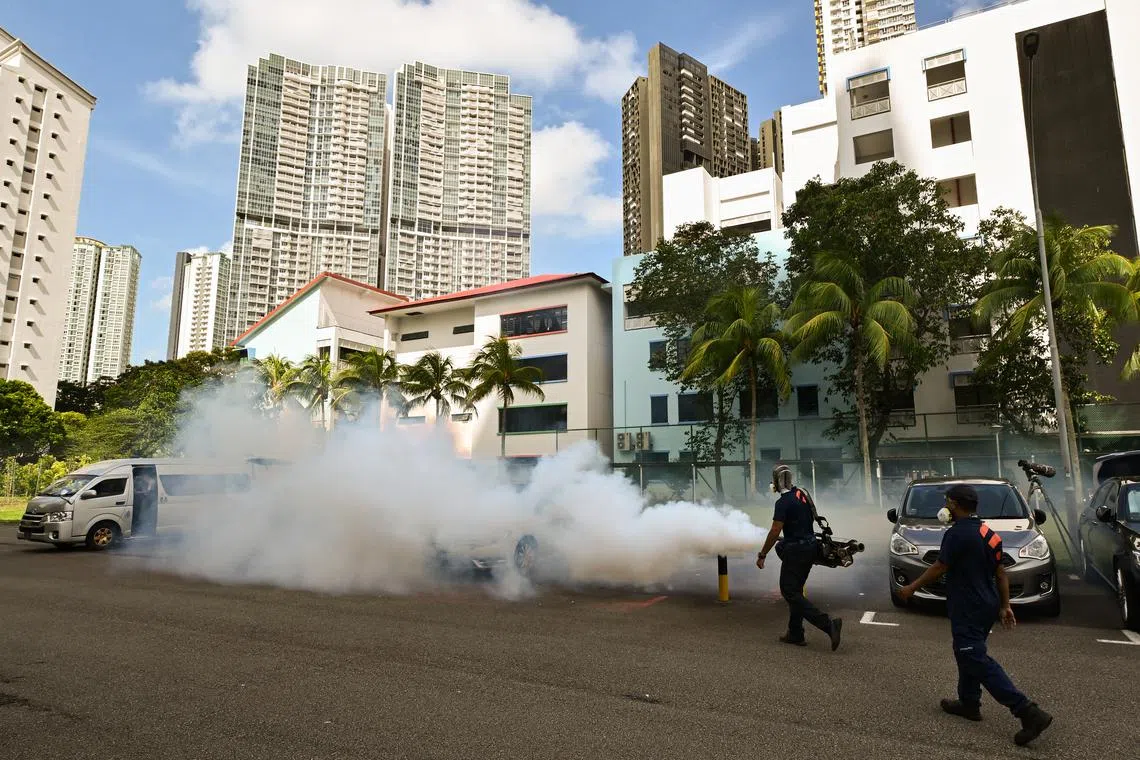
Singapore is experiencing a dramatic decline in dengue fever cases, with numbers in the first half of 2025 representing just a quarter of those recorded during the same period last year. While encouraging, health officials and researchers caution against complacency, citing cyclical patterns and global trends.
Project Wolbachia Drives Down Mosquito Populations
Data from the National Environment Agency (NEA) reveals 2,219 cases between January and June 5th, a significant drop from the 10,000 reported in the first six months of 2024. This improvement is partially attributed to Project Wolbachia, a groundbreaking initiative employing lab-grown male mosquitoes.
These male mosquitoes, infected with the naturally occurring Wolbachia bacteria, are released into high-risk areas. When they mate with female mosquitoes, the resulting eggs are infertile, gradually reducing the Aedes aegypti mosquito population. Currently covering 23 areas—including Bukit Batok, Tampines, and Serangoon—the project aims to protect half of all Singaporean households by 2026.
“However, tempting as it may be, it is premature to attribute the current trends to any specific intervention.”
—Professor Ooi Eng Eong, Duke-NUS Medical School
Cyclical Outbreaks and Global Concerns
Despite the positive trend, experts emphasize that dengue outbreaks don’t occur annually, but rather in cycles of five to eight years. Factors beyond mosquito population density, such as population immunity to the four dengue virus serotypes and viral genetic changes, also play a crucial role. The dominant strain in Singapore since September 2023 has been DenV-2.
The World Health Organization reported over 13 million dengue cases globally in 2024, more than double the 6.5 million recorded in 2023, highlighting the ongoing worldwide threat. WHO Dengue Fact Sheet
Continued Vigilance is Key
Professor Tikki Pang, a visiting professor at NUS’ Yong Loo Lin School of Medicine, noted that similar Wolbachia initiatives in Malaysia, Indonesia, and Australia have also yielded positive results. NEA credits community efforts to eliminate stagnant water—a prime mosquito breeding ground—as vital in preventing a major outbreak.
In 2022, Singapore recorded 32,325 dengue cases, the second-highest annual total in its history. NEA warned in May that despite the lower numbers in 2025, low population immunity and the global surge in cases could lead to a resurgence. They continue to urge residents to overturn containers and change water in vases regularly.
While the current decline is encouraging, sustained vigilance and continued investment in innovative control measures are essential to safeguard Singapore’s public health.
