
The Complex Chess Game of U.S.Attorney Appointments: Understanding the Dynamics of Legal Leadership Transitions
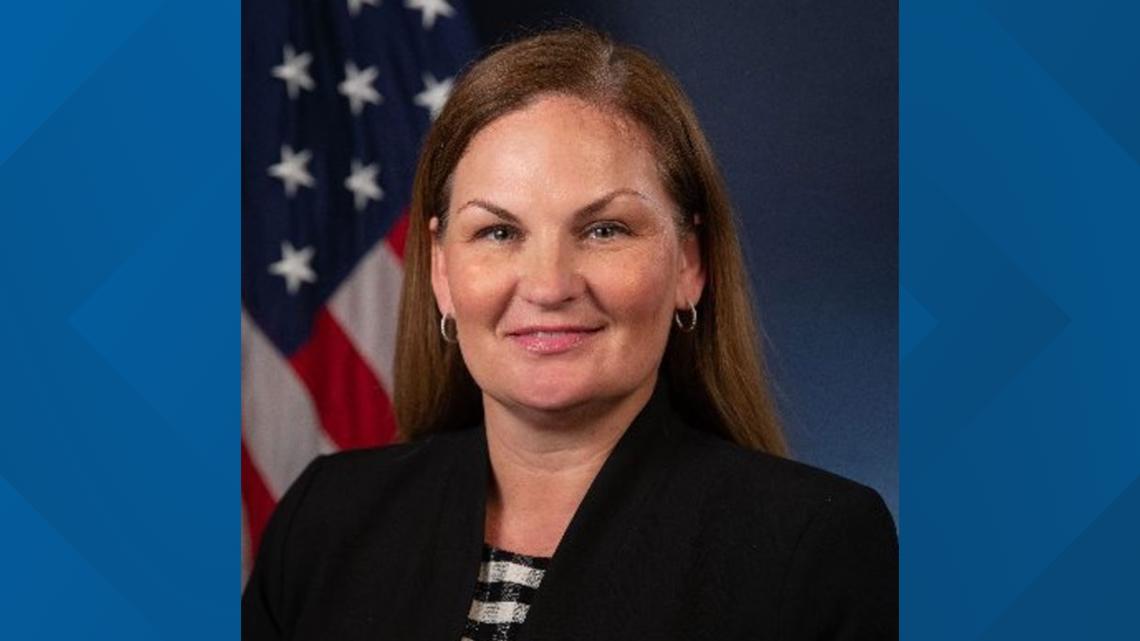
Fairview Heights, Ill. — The Southern District of Illinois welcomed a new acting United States Attorney this week following the departure of Rachelle Aud Crowe. Crowe, appointed by President Joe Biden in June 2022, left her post on Tuesday, the same day President Donald Trump announced on Truth Social that he had ordered the firing of all remaining U.S. Attorneys appointed by the Biden administration.
Trump’s statement, posted Tuesday, read: I have instructed the termination of ALL remaining ‘Biden Era’ US Attorneys. We must ‘clean house’ INSTANTLY,and restore confidence.America’s Golden Age must have a fair justice System – THAT BEGINS TODAY!
While it’s common practice for incoming presidential administrations to replace U.S. attorneys from the previous administration, the process usually involves requests for resignation. The official statement regarding Crowe’s departure did not clarify whether she resigned or was fired.
In a statement, Crowe expressed gratitude for her time in office: It has been my honor to serve the Southern District of Illinois as the United States Attorney. Announcing my departure accompanies many emotions, but my heart is full of gratitude,
she said. Her full statement elaborated on her experiences:
“It has been my honor to serve the Southern District of illinois as the United States Attorney. announcing my departure accompanies many emotions, but my heart is full of gratitude. working for the Department of Justice and leading an office of talented attorneys, dedicated legal staff and supportive administrative employees has been a lifelong dream.It was my privilege to guide the Department on matters of policy, procedure and management as a member of the Attorney General’s Advisory Committee and the Domestic Terrorism Executive Committee.I have been lucky to partner with the local, state and federal law enforcement officers to seek justice for victims and improve public safety. In addition to prosecuting hundreds of criminal cases, the office represented the government effectively in civil lawsuits and recovered millions of taxpayer dollars. I will cherish the time I spent at the federal courthouses. I’m thankful to the district judges for their judicial oversight,it’s been my honor to work with and learn from them. The future for the office is bright, and I’m confident the employees will continue to exceed their high standard of excellence, integrity and functionality. Thank you for the encouragement during my service.”
ali M. Summers,who joined the office as an assistant U.S. Attorney in 2012, will serve as Acting U.S.Attorney for the district until a permanent replacement is appointed. The circumstances surrounding Crowe’s departure remain unclear, leaving open questions about the transition of power within the southern District of Illinois.
Navigating the Intricate Web of U.S. Attorney Appointments: A Deeper Look into Legal Leadership Dynamics
The departure of U.S. Attorneys often sparks discussions about political influence and the balance of power.Explore the complexities of these transitions with our expert,who delves into historical contexts,implications,and the intricate dance of legal appointments.
Senior Editor: welcome! Amid the recent news of Rachelle Aud Crowe’s departure from the southern District of Illinois and President Trump’s declaration concerning U.S.Attorneys, many observers are turning their attention to the intricate dynamics of U.S. Attorney appointments.To our expert, what underlying factors frequently enough influence these transitions?
Expert: The appointment of U.S.Attorneys is indeed a nuanced process,steeped in political and procedural traditions. Each new administration tends to bring in its team of U.S. Attorneys to ensure alignment with its legal agendas and priorities. This transition reflects broader shifts in policy and enforcement focus. Historically, such changes have been customary as new presidents seek to reshape the legal landscape, frequently enough taking cues from predecessors’ past decisions and adapting them to current circumstances. The reasons run the gamut from political ideology to strategic objectives, all intersecting with the underlying mission of steadfast commitment to justice.
senior Editor: What historical precedents can we draw upon to understand Trump’s recent directive to replace all Biden-era U.S. Attorneys? Are there similar instances that have set a cornerstone for today’s practices?
Expert: Great question. If we look at history, President Bill clinton’s directive in his final days to dismiss nearly all U.S. Attorneys of the previous administration set an crucial precedent for overhauls. It signified a strategic move to ensure a fresh start reflective of his administration’s goals. Presidential transitions, in essence, symbolize more than personnel changes; they are a recalibration of the justice system’s priorities. Similarly, the Trump administration’s move can be viewed through this historical lens, underscoring the enduring practice of changing U.S. Attorneys with incoming administrations to achieve continuity in legal approaches that align with their vision. This cyclical pattern highlights both continuity and change within the executive-branch practices over decades.
Senior Editor: With Crowe expressing her gratitude for the prospect,and Ali M. Summers stepping in as Acting U.S. Attorney, how do these leadership transitions impact the functioning of the U.S. Attorneys’ office and their ongoing cases?
Expert: Leadership transitions in such roles can have a notable yet varying impact. while continuity in personnel offers some stability, the influence of new leadership often extends to strategic reassessments of active and pending cases.For instance, troop changes might lead to shifts in prosecutorial priorities or reevaluation of case weights. Having someone temporary like Ali M. Summers, who is already part of the team, serves to maintain operational continuity. His prior experience ensures smooth functioning and adherence to established policies while the new wave of leadership outlines future directions. These transitions underscore the balance needed between continuity and change, crucial for safeguarding justice and efficacy.
Senior Editor: Could you elaborate on the principles guiding these transitions? What should the public and legal communities expect regarding continuity and change in policy execution?
Expert: U.S. Attorney transitions are profoundly guided by the principles of balance and oversight. The Department of Justice ensures that while there is room for new policy directions under new leadership, all actions remain within the framework of the law. The public and legal communities generally anticipate minimal disruption in immediate case execution, as the judiciary’s need for continuity mandates careful planning and implementation. However, longer-term strategies and prosecutorial emphases often shift, reflecting the incoming administration’s overarching themes, whether it concerns issues like civil rights enhancements or tougher stances on particular types of crime.
Senior Editor: Given the puzzling nature of Crowe’s departure and the unclear circumstances, what impact does this have, if any, on public trust and the perceived impartiality of the justice system?
Expert: Transparency and clarity in such transitions are critical to maintaining public trust. Any ambiguity, such as the unclear circumstances revolving around Crowe’s departure, could lead to perceptions of politicization, potentially undermining confidence in the judicial process. It’s imperative for the justice system to demystify such changes to reinforce its impartiality. The strategic release of data and transparent justifications for decisions help foster public assurance that justice remains a steadfast pillar, unaffected by shifting political tides.
key Takeaways:
- Historical Context: U.S.Attorney changes are deeply rooted in political transitions, reflecting shifts in policy and legal priorities.
- Impact on Functionality: Transitions strive to balance continuity with policy realignment, minimizing disruption while setting new directions.
- Public Trust: Transparent management of such transitions is crucial to uphold the integrity and impartial perception of the justice system.
Thanks for sharing your insights. As we navigate these evolving political landscapes, understanding these dynamics is crucial.We invite readers to share their thoughts on how these transitions affect their view of the legal system in the comments below or on social media. Your insights help foster informed dialog and community engagement.
